



Community hub
Recent from talks
Knowledge base stats:
Talk channels stats:
Members stats:
Myrtle Beach, South Carolina
Myrtle Beach is a resort city on the East Coast of the United States in Horry County, South Carolina. It is located in the center of a long and continuous 60-mile (97 km) stretch of beach known as the "Grand Strand” in the northeastern part of the state. Its year-round population was 35,682 as of the 2020 census, making it the 13th-most populous city in South Carolina.
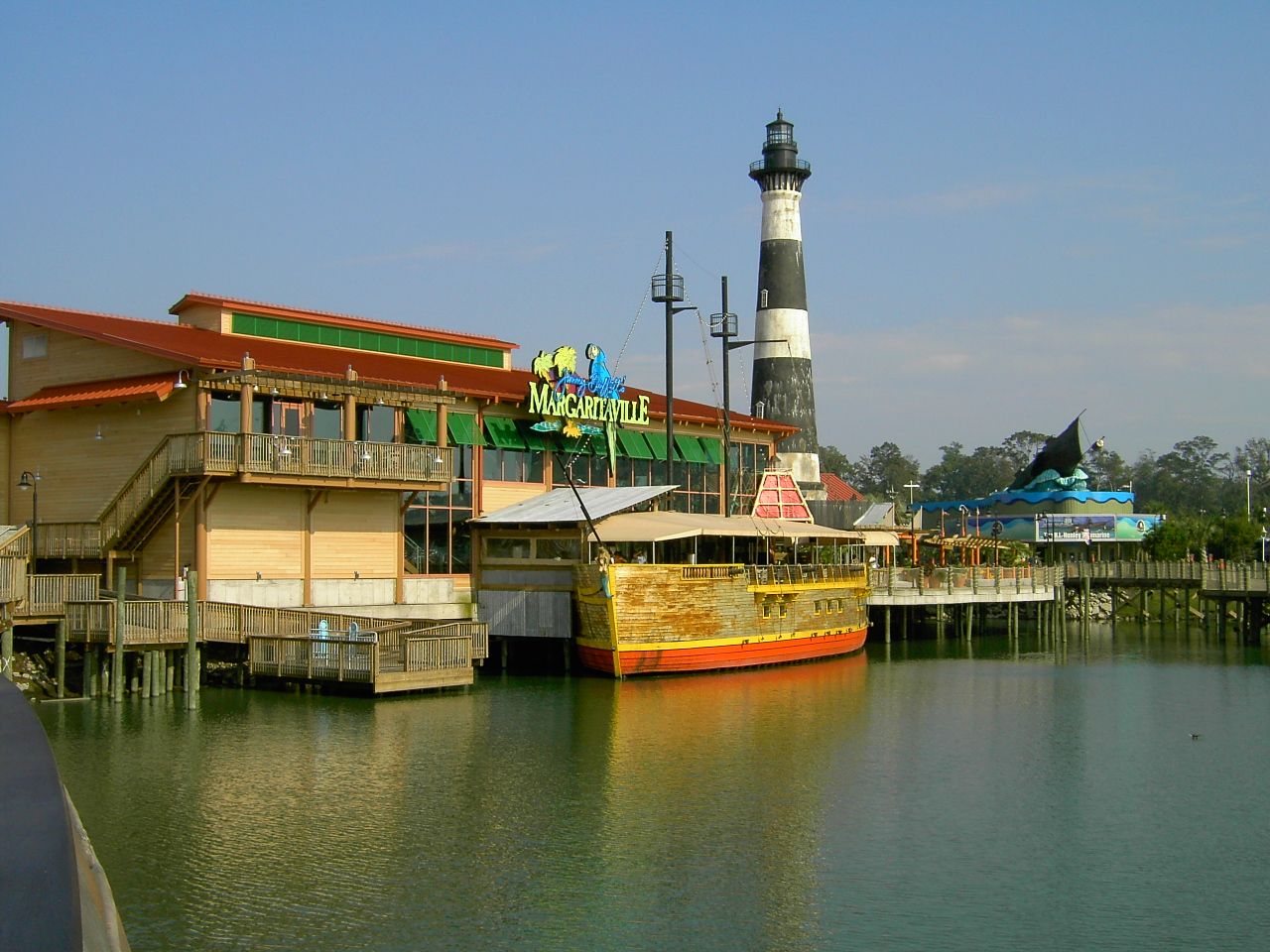
Myrtle Beach is one of the major centers of tourism in South Carolina and the United States. The city's warm subtropical climate, miles of beaches, 86 golf courses, and 1,800 restaurants attract over 20 million visitors each year, making Myrtle Beach one of the most visited destinations in the country.
Located along the historic King's Highway (modern day U.S. Route 17), the region was once home to the Waccamaw people. During the colonial period, the Whither family settled in the area, and a prominent local waterway, Wither's Swash, is named in their honor. Originally called alternately "New Town" or "Withers", the area was targeted for development as a resort community by Franklin Burroughs, whose sons completed a railroad to the beach and the first inn, Seaside Inn. His widow named the new community Myrtle Beach after the local wax-myrtle shrubs.
The Myrtle Beach Metro Area is one of the fastest growing metropolitan areas in the country, with an estimated population of 397,478 in 2023. More than 104,000 people moved to the area over eight years, representing a nearly 28% growth in population.
Prior to the arrival of Europeans, the Long Bay area was inhabited by the historic Waccamaw tribe. The Waccamaw used the river for travel and fished along the shore around Little River. Waties Island, the primary barrier island along Long Bay, has evidence of burial and shell mounds, remains of the visiting Waccamaw.
The first European settlers along Long Bay arrived in the late 18th century, attempting to extend the plantation system outward toward the ocean. Records are sparse from this period, with most of the recorded history pieced together from English colonial land grant documents. These settlers gained mixed results, producing unremarkable quantities of indigo and tobacco, the two major commodity crops. The coast's soil was sandy and most of the crop yields were of inferior quality.
Prior to the American Revolution, the area along the future Grand Strand was essentially uninhabited. Several families received land grants along the coast, including the Witherses: John, Richard, William, and Mary. This family received an area around present-day Wither's Swash, also known as Myrtle Swash or the Eight-Mile Swash. A separate grant was granted to James Minor, including a barrier island named Minor Island, now Waties Island, off the coast near Little River.
Mary Withers's gravestone at Prince George Winyah Parish Church speaks to the remoteness of the former Strand: "She gave up the pleasures of Society and retired to Long Bay, where she resided a great part of her life devoted to the welfare of her children."
Hub AI
Myrtle Beach, South Carolina AI simulator
(@Myrtle Beach, South Carolina_simulator)
Myrtle Beach, South Carolina
Myrtle Beach is a resort city on the East Coast of the United States in Horry County, South Carolina. It is located in the center of a long and continuous 60-mile (97 km) stretch of beach known as the "Grand Strand” in the northeastern part of the state. Its year-round population was 35,682 as of the 2020 census, making it the 13th-most populous city in South Carolina.
Myrtle Beach is one of the major centers of tourism in South Carolina and the United States. The city's warm subtropical climate, miles of beaches, 86 golf courses, and 1,800 restaurants attract over 20 million visitors each year, making Myrtle Beach one of the most visited destinations in the country.
Located along the historic King's Highway (modern day U.S. Route 17), the region was once home to the Waccamaw people. During the colonial period, the Whither family settled in the area, and a prominent local waterway, Wither's Swash, is named in their honor. Originally called alternately "New Town" or "Withers", the area was targeted for development as a resort community by Franklin Burroughs, whose sons completed a railroad to the beach and the first inn, Seaside Inn. His widow named the new community Myrtle Beach after the local wax-myrtle shrubs.
The Myrtle Beach Metro Area is one of the fastest growing metropolitan areas in the country, with an estimated population of 397,478 in 2023. More than 104,000 people moved to the area over eight years, representing a nearly 28% growth in population.
Prior to the arrival of Europeans, the Long Bay area was inhabited by the historic Waccamaw tribe. The Waccamaw used the river for travel and fished along the shore around Little River. Waties Island, the primary barrier island along Long Bay, has evidence of burial and shell mounds, remains of the visiting Waccamaw.
The first European settlers along Long Bay arrived in the late 18th century, attempting to extend the plantation system outward toward the ocean. Records are sparse from this period, with most of the recorded history pieced together from English colonial land grant documents. These settlers gained mixed results, producing unremarkable quantities of indigo and tobacco, the two major commodity crops. The coast's soil was sandy and most of the crop yields were of inferior quality.
Prior to the American Revolution, the area along the future Grand Strand was essentially uninhabited. Several families received land grants along the coast, including the Witherses: John, Richard, William, and Mary. This family received an area around present-day Wither's Swash, also known as Myrtle Swash or the Eight-Mile Swash. A separate grant was granted to James Minor, including a barrier island named Minor Island, now Waties Island, off the coast near Little River.
Mary Withers's gravestone at Prince George Winyah Parish Church speaks to the remoteness of the former Strand: "She gave up the pleasures of Society and retired to Long Bay, where she resided a great part of her life devoted to the welfare of her children."