
Recent from talks
Mythologies of the Indigenous peoples of the Americas
Knowledge base stats:
Talk channels stats:
Members stats:
Mythologies of the Indigenous peoples of the Americas
The Indigenous peoples of the Americas comprise numerous different cultures. Each has its own mythologies, many of which share certain themes across cultural boundaries. In North American mythologies, common themes include a close relation to nature and animals as well as belief in a Great Spirit that is conceived of in various ways. As anthropologists note, their great creation myths and sacred oral tradition in whole are comparable to the Christian Bible and scriptures of other major religions.
There is no single mythology of the Native Americans in the United States, the Indigenous peoples in Canada and other peoples, but numerous different canons of traditional narratives associated with religion, ethics and beliefs. Such stories are deeply based in Nature and are rich with the symbolism of seasons, weather, plants, animals, earth, water, fire, sky, and the heavenly bodies. Common elements are the principle of an all-embracing, universal and omniscient Great Spirit, a connection to the Earth and its landscapes, a belief in a parallel world in the sky (sometimes also underground and/or below the water), diverse creation narratives, visits to the 'land of the dead', and collective memories of ancient sacred ancestors.
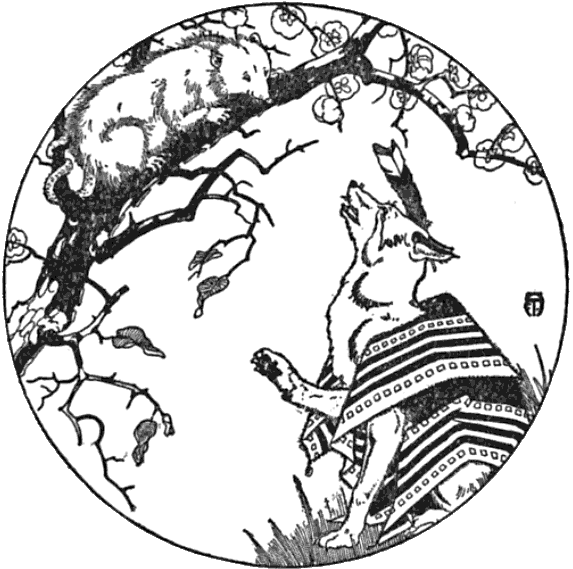
A characteristic of many of the myths is the close relationship between human beings and animals (including birds and reptiles). They often feature shape-shifting between animal and the human form. Marriage between people and different species (particularly bears) is a common theme. In some stories, animals foster human children.
Although most Native North American myths are profound and serious, some use light-hearted humor – often in the form of tricksters – to entertain, as they subtly convey important spiritual and moral messages. The use of allegory is common, exploring issues ranging from love and friendship to domestic violence and mental illness.
Some myths are connected to traditional religious rituals involving dance, music, songs, and trance (e.g. the Sun Dance).
Most of the myths from this region were first transcribed by ethnologists during the late 19th and early 20th centuries. These sources were collected from Native American elders who still had strong connections to the traditions of their ancestors. They may be considered the most authentic surviving records of the ancient stories, and thus form the basis of the descriptions below.[better source needed]
Myths from this region feature female deities, such as the creator, Big Turtle; and First Mother, from whose body grew the first corn and tobacco. The two great divine culture heroes are Glooskap and Manabus.
Other stories explore the complex relationships between animals and human beings. Some myths were originally recited as verse narratives.
Hub AI
Mythologies of the Indigenous peoples of the Americas AI simulator
(@Mythologies of the Indigenous peoples of the Americas_simulator)
Mythologies of the Indigenous peoples of the Americas
The Indigenous peoples of the Americas comprise numerous different cultures. Each has its own mythologies, many of which share certain themes across cultural boundaries. In North American mythologies, common themes include a close relation to nature and animals as well as belief in a Great Spirit that is conceived of in various ways. As anthropologists note, their great creation myths and sacred oral tradition in whole are comparable to the Christian Bible and scriptures of other major religions.
There is no single mythology of the Native Americans in the United States, the Indigenous peoples in Canada and other peoples, but numerous different canons of traditional narratives associated with religion, ethics and beliefs. Such stories are deeply based in Nature and are rich with the symbolism of seasons, weather, plants, animals, earth, water, fire, sky, and the heavenly bodies. Common elements are the principle of an all-embracing, universal and omniscient Great Spirit, a connection to the Earth and its landscapes, a belief in a parallel world in the sky (sometimes also underground and/or below the water), diverse creation narratives, visits to the 'land of the dead', and collective memories of ancient sacred ancestors.
A characteristic of many of the myths is the close relationship between human beings and animals (including birds and reptiles). They often feature shape-shifting between animal and the human form. Marriage between people and different species (particularly bears) is a common theme. In some stories, animals foster human children.
Although most Native North American myths are profound and serious, some use light-hearted humor – often in the form of tricksters – to entertain, as they subtly convey important spiritual and moral messages. The use of allegory is common, exploring issues ranging from love and friendship to domestic violence and mental illness.
Some myths are connected to traditional religious rituals involving dance, music, songs, and trance (e.g. the Sun Dance).
Most of the myths from this region were first transcribed by ethnologists during the late 19th and early 20th centuries. These sources were collected from Native American elders who still had strong connections to the traditions of their ancestors. They may be considered the most authentic surviving records of the ancient stories, and thus form the basis of the descriptions below.[better source needed]
Myths from this region feature female deities, such as the creator, Big Turtle; and First Mother, from whose body grew the first corn and tobacco. The two great divine culture heroes are Glooskap and Manabus.
Other stories explore the complex relationships between animals and human beings. Some myths were originally recited as verse narratives.
Recent media