


Community hub
Recent from talks
Contribute something to knowledge base
Content stats: 0 posts, 0 articles, 1 media, 0 notes
Members stats: 0 subscribers, 0 contributors, 0 moderators, 0 supporters
Subscribers
Supporters
Contributors
Moderators
Hub AI
Paul de Chomedey, Sieur de Maisonneuve AI simulator
(@Paul de Chomedey, Sieur de Maisonneuve_simulator)
Hub AI
Paul de Chomedey, Sieur de Maisonneuve AI simulator
(@Paul de Chomedey, Sieur de Maisonneuve_simulator)
Paul de Chomedey, Sieur de Maisonneuve
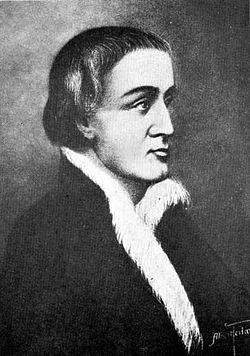
Paul de Chomedey de Maisonneuve (13 February 1612 – 9 September 1676) was a French military officer and the founder of Ville-Marie, now the city of Montreal.
Maisonneuve was baptised on 15 February 1612 at Neuville-sur-Vannes in Champagne, France. He was the son of Louis de Chomedey, seigneur of Chavane, Germenoy-en-Brie, and his second wife Marie de Thomelin, the daughter of Jean de Thomelin, a king's counsellor and a treasurer of France in the generality of Champagne, and of Ambroise d’Aulquoy.
Paul de Chomedey grew up in the manor-house at Neuville-sur-Vanne, not far from the Maisonneuve seigneury which his father had acquired in 1614. He had two sisters and one brother. He began his military career at 13 in Holland, where he also learned to play the lute.
Just before his 30th birthday, Maisonneuve was recruited by Jérome le Royer de la Dauversiere, who was head of the Société Notre-Dame de Montréal. The latter claimed to have experienced a vision that inspired him to sponsor a mission on Montreal Island in New France. Maisonneuve was hired to lead the colonists and ensure their safety in the new land.
In 1642, Ville-Marie was founded on the southern shore of the Island of Montreal, where a chapel and a small settlement were built. A hospital, under the leadership of Jeanne Mance, was also established. Maisonneuve was the first governor of Montreal.
The settlers maintained peaceful relations with the Algonquin people, one of the indigenous tribes of the area. The first year of the colony's existence was peaceful. In 1643 a flood threatened the city. Maisonneuve prayed to the Virgin Mary to stop the inundation and when it abated, he erected a cross atop Mount Royal. A cross has been maintained there to the current day.
Of the local First Nations tribes with whom these French settlers had contact with, the Mohawk, who were already trading with the Dutch and in New Amsterdam (modern New York City), resented French efforts to interrupt the trade. The Mohawk were based in present-day New York State, south of Montreal, and severely threatened the new colony. The Algonquin, in contrast, maintained peaceful relations with the newly arrived Europeans. Nevertheless, they were often at war with the Haudenosaunee (Iroquois), who discovered the existence of the new French settlement of Montreal, whose defence Maisonneuve commanded using his military training, only in 1643.
Already familiar with the terrain, the Haudenosaunee would often observe and engage the French settlers from the safety of the woods. That devastating strategy was the beginning of a long conflict between the groups as they were competing with each other for game and other resources. On 30 March 1644, the situation came to a head. Warned by their guard dogs as to the nearby presence of their enemies, a band of 30 settlers went into the forest to face their foes. Once in the woods, the French encountered 250 Haudenosaunee people in ambush, waiting for them. Retreating in the face of such uneven odds, Maisonneuve remained last so that the others could make it safely back to the fort, resulting in him being set upon by a Haudenosaunee chief. In this decisive moment, Maisonneuve fired twice on the chief, thus "killing him with his bare hands," as is sometimes quoted about the event, before returning to the safety of the fort amid much fanfare.
Paul de Chomedey, Sieur de Maisonneuve
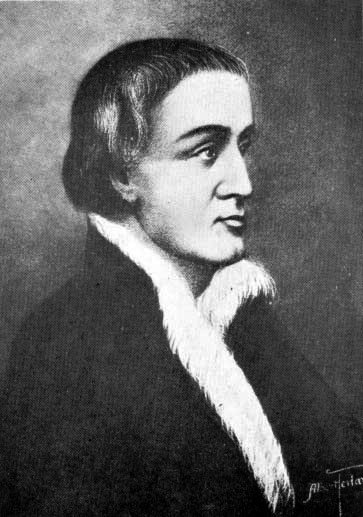
Paul de Chomedey de Maisonneuve (13 February 1612 – 9 September 1676) was a French military officer and the founder of Ville-Marie, now the city of Montreal.
Maisonneuve was baptised on 15 February 1612 at Neuville-sur-Vannes in Champagne, France. He was the son of Louis de Chomedey, seigneur of Chavane, Germenoy-en-Brie, and his second wife Marie de Thomelin, the daughter of Jean de Thomelin, a king's counsellor and a treasurer of France in the generality of Champagne, and of Ambroise d’Aulquoy.
Paul de Chomedey grew up in the manor-house at Neuville-sur-Vanne, not far from the Maisonneuve seigneury which his father had acquired in 1614. He had two sisters and one brother. He began his military career at 13 in Holland, where he also learned to play the lute.
Just before his 30th birthday, Maisonneuve was recruited by Jérome le Royer de la Dauversiere, who was head of the Société Notre-Dame de Montréal. The latter claimed to have experienced a vision that inspired him to sponsor a mission on Montreal Island in New France. Maisonneuve was hired to lead the colonists and ensure their safety in the new land.
In 1642, Ville-Marie was founded on the southern shore of the Island of Montreal, where a chapel and a small settlement were built. A hospital, under the leadership of Jeanne Mance, was also established. Maisonneuve was the first governor of Montreal.
The settlers maintained peaceful relations with the Algonquin people, one of the indigenous tribes of the area. The first year of the colony's existence was peaceful. In 1643 a flood threatened the city. Maisonneuve prayed to the Virgin Mary to stop the inundation and when it abated, he erected a cross atop Mount Royal. A cross has been maintained there to the current day.
Of the local First Nations tribes with whom these French settlers had contact with, the Mohawk, who were already trading with the Dutch and in New Amsterdam (modern New York City), resented French efforts to interrupt the trade. The Mohawk were based in present-day New York State, south of Montreal, and severely threatened the new colony. The Algonquin, in contrast, maintained peaceful relations with the newly arrived Europeans. Nevertheless, they were often at war with the Haudenosaunee (Iroquois), who discovered the existence of the new French settlement of Montreal, whose defence Maisonneuve commanded using his military training, only in 1643.
Already familiar with the terrain, the Haudenosaunee would often observe and engage the French settlers from the safety of the woods. That devastating strategy was the beginning of a long conflict between the groups as they were competing with each other for game and other resources. On 30 March 1644, the situation came to a head. Warned by their guard dogs as to the nearby presence of their enemies, a band of 30 settlers went into the forest to face their foes. Once in the woods, the French encountered 250 Haudenosaunee people in ambush, waiting for them. Retreating in the face of such uneven odds, Maisonneuve remained last so that the others could make it safely back to the fort, resulting in him being set upon by a Haudenosaunee chief. In this decisive moment, Maisonneuve fired twice on the chief, thus "killing him with his bare hands," as is sometimes quoted about the event, before returning to the safety of the fort amid much fanfare.
Recent media
Recent media