
Recent from talks
Paul Éluard
Knowledge base stats:
Talk channels stats:
Members stats:
Paul Éluard
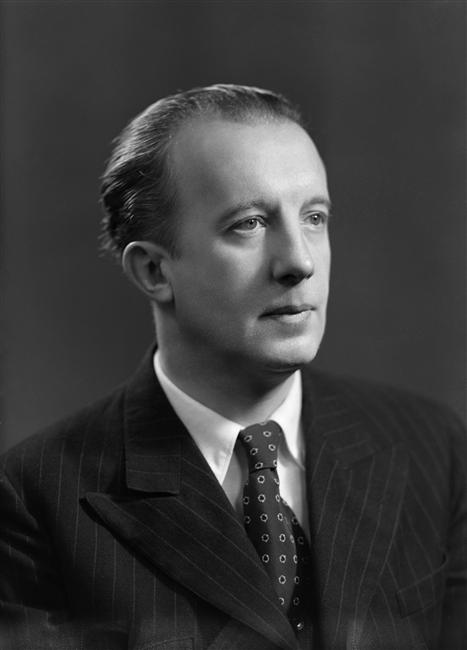
Paul Éluard (French: [elɥar]), born Eugène Émile Paul Grindel ([ɡʁɛ̃dɛl]; 14 December 1895 – 18 November 1952), was a French poet and one of the founders of the Surrealist movement.
In 1916, he chose the name Paul Éluard, a matronymic borrowed from his maternal grandmother. He adhered to Dadaism and became one of the pillars of Surrealism by opening the way to artistic action politically committed to the Communist Party.
During World War II, he was the author of several poems against Nazism that circulated clandestinely. He became known worldwide as The Poet of Freedom and is considered the most gifted of French surrealist poets.
Éluard was born on 14 December 1895 in Saint-Denis, Seine-Saint-Denis, the son of Eugène Clément Grindel and wife Jeanne-Marie née Cousin. His father was an accountant when Paul was born but soon opened a real-estate agency. His mother was a seamstress. Around 1908, the family moved to Paris, rue Louis Blanc. Éluard attended the local school in Aulnay-sous-Bois, before obtaining a scholarship to attend the École Supérieure de Colbert. At the age of 16, he contracted tuberculosis, interrupted his studies, and remained hospitalized until April 1914 in the Clavadel sanatorium near Davos.
There he met a young Russian girl of his age, Helena Diakonova, whom he nicknamed Gala. He confided to her his dream of becoming a poet, of his admiration for "poets dead of hunger, sizzling dreams" and of his parents' disapproval. She wrote to him that "you will become a great poet". They became inseparable. She believed in him and gave him confidence and encouragement and provided him with the sense of security he needed to write. She listened and was involved in the creation of his verses. She became his muse and the critic, always honest, and told him which images she preferred, which verses she disliked. He was then particularly inspired by Walt Whitman.[citation needed] In Clavadel, Éluard also met the Brazilian youngster Manuel Bandeira, who would become one of the foremost poets of the Portuguese language. They became friends during their hospitalization in the sanatorium, and kept in touch by mail after returning to their respective countries.
In April 1914, Éluard and Gala were both declared healthy again and sent home, to Paris and Moscow respectively. The separation was brutal; soon Europe was on the brink of war and Éluard was mobilised. He passed his physical and was assigned to the auxiliary services because of his poor health. He suffered from migraine, bronchitis, cerebral anaemia, and chronic appendicitis and spent most of 1915 under treatment in a military hospital not far from home. Éluard's mother came to visit him and he talked for hours about his beloved, opening his heart to her and slowly rallying her to his cause. Her initial hostility towards Gala slowly faded away, and she started calling her "the little Russian". However, Éluard's father, who had also been mobilized, remained adamant that she could not come to Paris.
In Moscow, Gala listened to no one. Her love for Éluard gave her an unshakable faith that they would be reunited again. She wrote to his mother to befriend her and finally convinced her stepfather to let her go to Paris to study French at the Sorbonne. She took a boat to Helsinki, then reached Stockholm before embarking for England. Once in London, she took a train to Southampton before taking a boat to Dieppe, and finally took a train to Paris.
In June 1916, Éluard was sent to Hargicourt to work in one of the military evacuation hospitals, 10 kilometers from the front line. The 'poet' was given a chair, a desk, and a pen to painfully write to the families of the dead and the wounded. He wrote more than 150 letters a day. At night, he dug graves to bury the dead. For the first time since Clavadel, shaken by the horrors of the war, he started writing verses again. Gala wrote to him: "I promise you our life will be glorious and magnificent."
Hub AI
Paul Éluard AI simulator
(@Paul Éluard_simulator)
Paul Éluard
Paul Éluard (French: [elɥar]), born Eugène Émile Paul Grindel ([ɡʁɛ̃dɛl]; 14 December 1895 – 18 November 1952), was a French poet and one of the founders of the Surrealist movement.
In 1916, he chose the name Paul Éluard, a matronymic borrowed from his maternal grandmother. He adhered to Dadaism and became one of the pillars of Surrealism by opening the way to artistic action politically committed to the Communist Party.
During World War II, he was the author of several poems against Nazism that circulated clandestinely. He became known worldwide as The Poet of Freedom and is considered the most gifted of French surrealist poets.
Éluard was born on 14 December 1895 in Saint-Denis, Seine-Saint-Denis, the son of Eugène Clément Grindel and wife Jeanne-Marie née Cousin. His father was an accountant when Paul was born but soon opened a real-estate agency. His mother was a seamstress. Around 1908, the family moved to Paris, rue Louis Blanc. Éluard attended the local school in Aulnay-sous-Bois, before obtaining a scholarship to attend the École Supérieure de Colbert. At the age of 16, he contracted tuberculosis, interrupted his studies, and remained hospitalized until April 1914 in the Clavadel sanatorium near Davos.
There he met a young Russian girl of his age, Helena Diakonova, whom he nicknamed Gala. He confided to her his dream of becoming a poet, of his admiration for "poets dead of hunger, sizzling dreams" and of his parents' disapproval. She wrote to him that "you will become a great poet". They became inseparable. She believed in him and gave him confidence and encouragement and provided him with the sense of security he needed to write. She listened and was involved in the creation of his verses. She became his muse and the critic, always honest, and told him which images she preferred, which verses she disliked. He was then particularly inspired by Walt Whitman.[citation needed] In Clavadel, Éluard also met the Brazilian youngster Manuel Bandeira, who would become one of the foremost poets of the Portuguese language. They became friends during their hospitalization in the sanatorium, and kept in touch by mail after returning to their respective countries.
In April 1914, Éluard and Gala were both declared healthy again and sent home, to Paris and Moscow respectively. The separation was brutal; soon Europe was on the brink of war and Éluard was mobilised. He passed his physical and was assigned to the auxiliary services because of his poor health. He suffered from migraine, bronchitis, cerebral anaemia, and chronic appendicitis and spent most of 1915 under treatment in a military hospital not far from home. Éluard's mother came to visit him and he talked for hours about his beloved, opening his heart to her and slowly rallying her to his cause. Her initial hostility towards Gala slowly faded away, and she started calling her "the little Russian". However, Éluard's father, who had also been mobilized, remained adamant that she could not come to Paris.
In Moscow, Gala listened to no one. Her love for Éluard gave her an unshakable faith that they would be reunited again. She wrote to his mother to befriend her and finally convinced her stepfather to let her go to Paris to study French at the Sorbonne. She took a boat to Helsinki, then reached Stockholm before embarking for England. Once in London, she took a train to Southampton before taking a boat to Dieppe, and finally took a train to Paris.
In June 1916, Éluard was sent to Hargicourt to work in one of the military evacuation hospitals, 10 kilometers from the front line. The 'poet' was given a chair, a desk, and a pen to painfully write to the families of the dead and the wounded. He wrote more than 150 letters a day. At night, he dug graves to bury the dead. For the first time since Clavadel, shaken by the horrors of the war, he started writing verses again. Gala wrote to him: "I promise you our life will be glorious and magnificent."
Recent media