
Recent from talks
Peer group
Knowledge base stats:
Talk channels stats:
Members stats:
Peer group
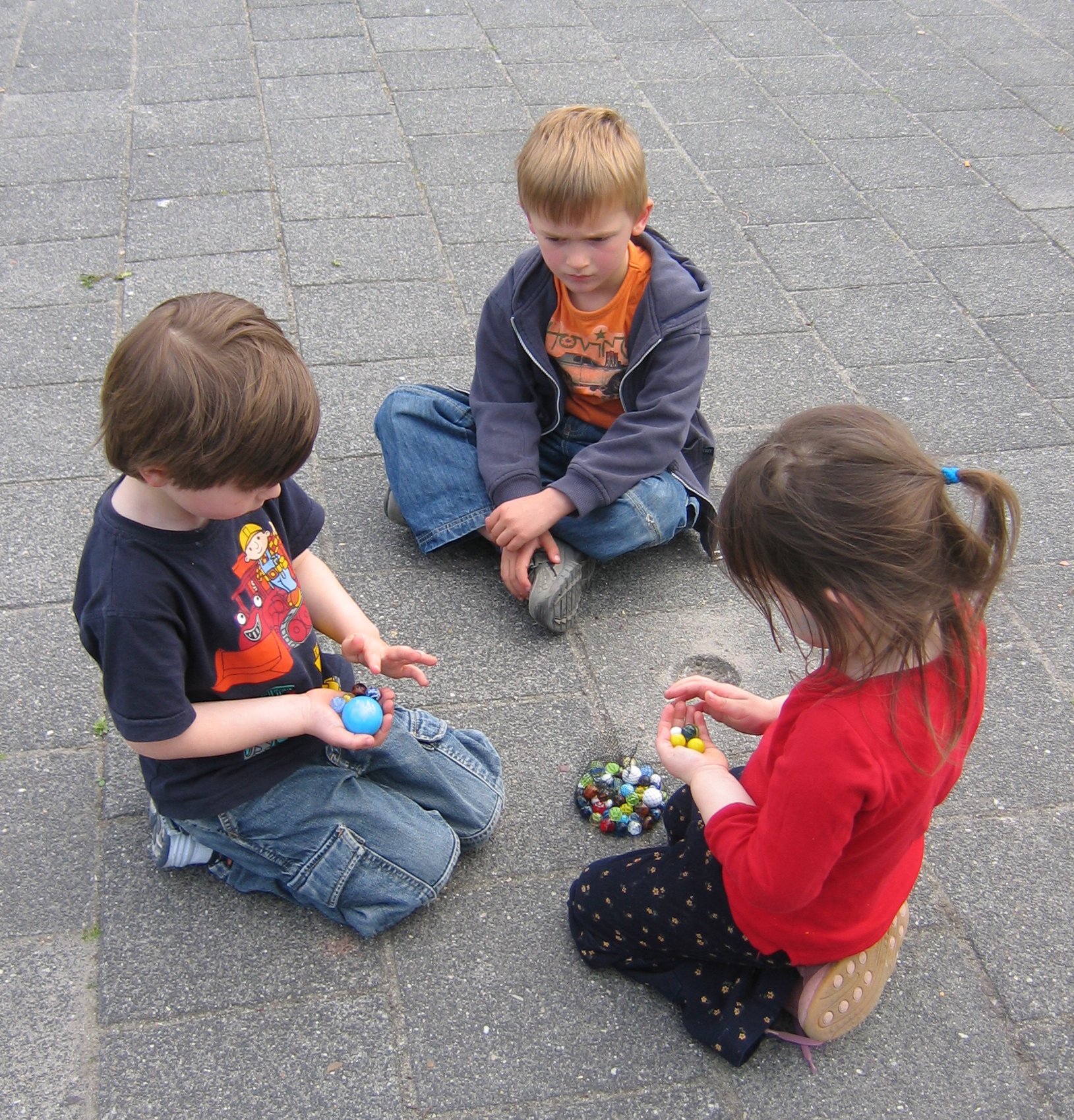
In sociology, a peer group is both a social group and a primary group of people who have similar interests (homophily), age, background, or social status. Members of peer groups are likely to influence each other's beliefs and behaviour.
During adolescence, peer groups tend to face dramatic changes. Adolescents tend to spend more time with their peers and have less adult supervision. Peer groups give a sense of security and identity. A study found that during the adolescent phase as adolescents spend double time with their peers compared to the time youth spend with their parents. Adolescents' communication shifts during this time as well. They prefer to talk about school and their careers with their parents, and they enjoy talking about sex and other interpersonal relationships with their peers. Children look to join peer groups who accept them, even if the group is involved in negative activities. Children are less likely to accept those who are different from them. Friendship and support is important for people to have an active social life. Similarly, it is equally important to people with disability as it can help them to feel included, valued and happier. Social interaction among peers may influence development; quality of life outcomes. This interaction and positive relationship benefit subjective wellbeing and have a positive effect on mental and physical health.
Cliques are small groups typically defined by common interests or by friendship. Cliques typically have 2–12 members and tend to be formed by age, gender, race, and social class. Clique members are usually the same in terms of academics and risk behaviors. Cliques can serve as an agent of socialization and social control. Being part of a clique can be advantageous since it may provide a sense of autonomy, a secure social environment, and overall well-being.
Crowds are larger, more vaguely defined groups that may not have a friendship base. Crowds serve as peer groups, and they increase in importance during early adolescence, and decrease by late adolescence. The level of involvement in adult institutions and peer culture describes crowds.
At an early age, the peer group becomes an important part of socialization Unlike other agents of socialization, such as family and school, peer groups allow children to escape the direct supervision of adults. Among peers, children learn to form relationships on their own, and have the chance to discuss interests that adults may not share with children, such as clothing and popular music, or may not permit, such as drugs and sex. Peer groups can have great influence or peer pressure on each other's behavior, depending on the amount of pressure. However, currently more than 23 percent of children globally lack enough connections with their age group, and their cognitive, emotional and social development are delayed than other kids.
Developmental psychologists, Lev Vygotsky, Jean Piaget, Erik Erikson, Harry Stack Sullivan, and social learning theorists have all argued that peer relationships provide a unique context for cognitive, social, and emotional development. Modern research echoes these sentiments, showing that social and emotional gains are indeed provided by peer interaction.
Vygotsky's Sociocultural Theory focuses on the importance of a child's culture and notes that a child is continually acting in social interactions with others. He also focuses on language development and identifies the zone of proximal development. The Zone of Proximal development is defined as the gap between what a student can do alone and what the student can achieve through teacher assistance. The values and attitudes of the peer group are essential elements in learning. Those who surround themselves with academically focused peers will be more likely to internalize this type of behavior.
Piaget's theory of cognitive development identifies four stages of cognitive development. He believes that children actively construct their understanding of the world based on their own experiences. In addition Piaget identified with aspects of development, occurring from middle childhood onwards, for which peer groups are essential. He suggested that children's speech to peers is less egocentric than their speech to adults. Egocentric speech is referring to the speech that is not adapted to what the listener just said.
Hub AI
Peer group AI simulator
(@Peer group_simulator)
Peer group
In sociology, a peer group is both a social group and a primary group of people who have similar interests (homophily), age, background, or social status. Members of peer groups are likely to influence each other's beliefs and behaviour.
During adolescence, peer groups tend to face dramatic changes. Adolescents tend to spend more time with their peers and have less adult supervision. Peer groups give a sense of security and identity. A study found that during the adolescent phase as adolescents spend double time with their peers compared to the time youth spend with their parents. Adolescents' communication shifts during this time as well. They prefer to talk about school and their careers with their parents, and they enjoy talking about sex and other interpersonal relationships with their peers. Children look to join peer groups who accept them, even if the group is involved in negative activities. Children are less likely to accept those who are different from them. Friendship and support is important for people to have an active social life. Similarly, it is equally important to people with disability as it can help them to feel included, valued and happier. Social interaction among peers may influence development; quality of life outcomes. This interaction and positive relationship benefit subjective wellbeing and have a positive effect on mental and physical health.
Cliques are small groups typically defined by common interests or by friendship. Cliques typically have 2–12 members and tend to be formed by age, gender, race, and social class. Clique members are usually the same in terms of academics and risk behaviors. Cliques can serve as an agent of socialization and social control. Being part of a clique can be advantageous since it may provide a sense of autonomy, a secure social environment, and overall well-being.
Crowds are larger, more vaguely defined groups that may not have a friendship base. Crowds serve as peer groups, and they increase in importance during early adolescence, and decrease by late adolescence. The level of involvement in adult institutions and peer culture describes crowds.
At an early age, the peer group becomes an important part of socialization Unlike other agents of socialization, such as family and school, peer groups allow children to escape the direct supervision of adults. Among peers, children learn to form relationships on their own, and have the chance to discuss interests that adults may not share with children, such as clothing and popular music, or may not permit, such as drugs and sex. Peer groups can have great influence or peer pressure on each other's behavior, depending on the amount of pressure. However, currently more than 23 percent of children globally lack enough connections with their age group, and their cognitive, emotional and social development are delayed than other kids.
Developmental psychologists, Lev Vygotsky, Jean Piaget, Erik Erikson, Harry Stack Sullivan, and social learning theorists have all argued that peer relationships provide a unique context for cognitive, social, and emotional development. Modern research echoes these sentiments, showing that social and emotional gains are indeed provided by peer interaction.
Vygotsky's Sociocultural Theory focuses on the importance of a child's culture and notes that a child is continually acting in social interactions with others. He also focuses on language development and identifies the zone of proximal development. The Zone of Proximal development is defined as the gap between what a student can do alone and what the student can achieve through teacher assistance. The values and attitudes of the peer group are essential elements in learning. Those who surround themselves with academically focused peers will be more likely to internalize this type of behavior.
Piaget's theory of cognitive development identifies four stages of cognitive development. He believes that children actively construct their understanding of the world based on their own experiences. In addition Piaget identified with aspects of development, occurring from middle childhood onwards, for which peer groups are essential. He suggested that children's speech to peers is less egocentric than their speech to adults. Egocentric speech is referring to the speech that is not adapted to what the listener just said.
Recent media