



Community hub
Recent from talks
Knowledge base stats:
Talk channels stats:
Members stats:
Persepolis Administrative Archives
The Persepolis Administrative Archive (also Fortification Archive or Treasury Archive) are two groups of clay administrative archives — sets of records physically stored together – found in Persepolis dating to the Achaemenid Persian Empire. The discovery was made during legal excavations conducted by the archaeologists from the Oriental Institute of the University of Chicago in the 1930s. Hence they are named for their in situ findspot: Persepolis. The archaeological excavations at Persepolis for the Oriental Institute were initially directed by Ernst Herzfeld from 1931 to 1934 and carried on from 1934 until 1939 by Erich Schmidt.
While the political end of the Achaemenid Empire is symbolized by the burning of Persepolis by Alexander the Great (dated 330/329 BCE), the fall of Persepolis paradoxically contributed to the preservation of the Achaemenid administrative archives that might have been lost due to passage of time and natural and man-made causes. According to archaeological evidence, the partial burning of Persepolis did not affect the Persepolis Fortification Archive tablets, but may have caused the eventual collapse of the upper part of the northern Fortification wall that preserved the tablets until their recovery by the Oriental Institute's archaeologists.
Thousands of clay tablets, fragments and seal impressions in the Persepolis archives are a part of a single administrative system representing continuity of activity and flow of data over more than fifty consecutive years (509 to 457 BCE). These records can throw light on the geography, economy, and administration, as well as the religion and social conditions of the Persepolis region, the heartland of the Persian Great Kings from Darius I the Great to Artaxerxes I.
The Persepolis Administrative Archives are the single most important extant primary source for understanding the internal workings of the Persian Achaemenid Empire. But while these archives have the potential for offering the study of the Achaemenid history based on the sole surviving and substantial records from the heartland of the empire, they are still not fully utilized as such by a majority of historians. The reason for the slow adoption of study of Persepolis administrative archives can also be attributed to the administrative nature of the archives, lacking the drama and excitement of narrative history.
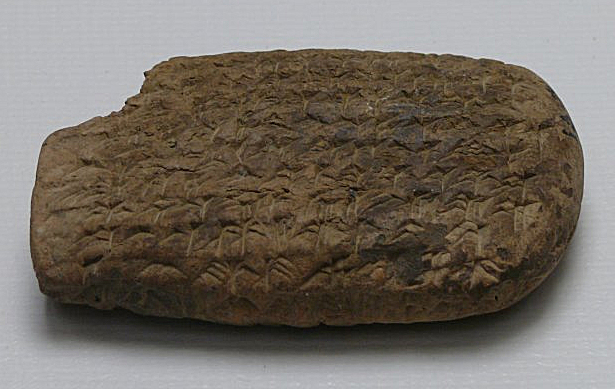
The Persepolis Fortification Archive (PFA), also known as Persepolis Fortification Tablets (PFT, PF), is a fragment of Achaemenid administrative records of receipt, taxation, transfer, storage of food crops (cereals, fruit), livestock (sheep and goats, cattle, poultry), food products (flour, breads and other cereal products, beer, wine, processed fruit, oil, meat), and byproducts (animal hides) in the region around Persepolis (larger part of modern Fars), and their redistribution to gods, the royal family, courtiers, priests, religious officiants, administrators, travelers, workers, artisans, and livestock.
But before the Persepolis archives could have offered any clues to the better understanding of the Achaemenid history, the clay tablets, mostly written in a late dialect of Elamite, an extremely difficult language still imperfectly understood, had to be deciphered. So, in 1935, Iranian authorities loaned the Persepolis Fortification Archive to the Oriental Institute for research and publication. The archive arrived in Chicago in 1936 and has been under studies since 1937. It was not until 1969, when Richard Hallock published his magisterial edition of 2,087 Elamite Persepolis Fortification Tablets, leading to the renaissance of Achaemenid studies in the 1970s. The long-term project spanning over seven decades is far from completion.
153 tablets, approximately 30,000 fragments and an unknown number of uninscribed tablets were returned to Iran in the 1950s. So far about 450 tablets and tens of thousands of fragments have already been returned to Iran in total. The narrow content of the archive, recording only the Achaemenid administration's transactions dealing with foodstuff, must be taken into consideration in regards to the amount of information that can be deduced from them.
Excavations directed by Ernst Herzfeld at Persepolis between 1933 and 1934 for the Oriental Institute, discovered tens of thousands of unbaked clay tablets, badly broken fragments and bullae in March 1933. Before attempting to build a pathway for easy removal of debris from the ruins of palaces on the Persepolis terrace, Herzfeld decided to excavate the location first to ensure that building a passage would not harm anything. He found two rooms filled up with clay tablets that were arranged in order, as in a library. The uncleaned tablets and fragments were covered up with wax and after drying, they were wrapped up in cotton and packed in 2,353 sequentially numbered boxes for shipping. At the time, Herzfeld estimated that the find included about 30,000 or more inscribed and sealed clay tablets and fragments. However, Herzfeld himself did not leave precise notes and never published a proper archaeological report.
Hub AI
Persepolis Administrative Archives AI simulator
(@Persepolis Administrative Archives_simulator)
Persepolis Administrative Archives
The Persepolis Administrative Archive (also Fortification Archive or Treasury Archive) are two groups of clay administrative archives — sets of records physically stored together – found in Persepolis dating to the Achaemenid Persian Empire. The discovery was made during legal excavations conducted by the archaeologists from the Oriental Institute of the University of Chicago in the 1930s. Hence they are named for their in situ findspot: Persepolis. The archaeological excavations at Persepolis for the Oriental Institute were initially directed by Ernst Herzfeld from 1931 to 1934 and carried on from 1934 until 1939 by Erich Schmidt.
While the political end of the Achaemenid Empire is symbolized by the burning of Persepolis by Alexander the Great (dated 330/329 BCE), the fall of Persepolis paradoxically contributed to the preservation of the Achaemenid administrative archives that might have been lost due to passage of time and natural and man-made causes. According to archaeological evidence, the partial burning of Persepolis did not affect the Persepolis Fortification Archive tablets, but may have caused the eventual collapse of the upper part of the northern Fortification wall that preserved the tablets until their recovery by the Oriental Institute's archaeologists.
Thousands of clay tablets, fragments and seal impressions in the Persepolis archives are a part of a single administrative system representing continuity of activity and flow of data over more than fifty consecutive years (509 to 457 BCE). These records can throw light on the geography, economy, and administration, as well as the religion and social conditions of the Persepolis region, the heartland of the Persian Great Kings from Darius I the Great to Artaxerxes I.
The Persepolis Administrative Archives are the single most important extant primary source for understanding the internal workings of the Persian Achaemenid Empire. But while these archives have the potential for offering the study of the Achaemenid history based on the sole surviving and substantial records from the heartland of the empire, they are still not fully utilized as such by a majority of historians. The reason for the slow adoption of study of Persepolis administrative archives can also be attributed to the administrative nature of the archives, lacking the drama and excitement of narrative history.
The Persepolis Fortification Archive (PFA), also known as Persepolis Fortification Tablets (PFT, PF), is a fragment of Achaemenid administrative records of receipt, taxation, transfer, storage of food crops (cereals, fruit), livestock (sheep and goats, cattle, poultry), food products (flour, breads and other cereal products, beer, wine, processed fruit, oil, meat), and byproducts (animal hides) in the region around Persepolis (larger part of modern Fars), and their redistribution to gods, the royal family, courtiers, priests, religious officiants, administrators, travelers, workers, artisans, and livestock.
But before the Persepolis archives could have offered any clues to the better understanding of the Achaemenid history, the clay tablets, mostly written in a late dialect of Elamite, an extremely difficult language still imperfectly understood, had to be deciphered. So, in 1935, Iranian authorities loaned the Persepolis Fortification Archive to the Oriental Institute for research and publication. The archive arrived in Chicago in 1936 and has been under studies since 1937. It was not until 1969, when Richard Hallock published his magisterial edition of 2,087 Elamite Persepolis Fortification Tablets, leading to the renaissance of Achaemenid studies in the 1970s. The long-term project spanning over seven decades is far from completion.
153 tablets, approximately 30,000 fragments and an unknown number of uninscribed tablets were returned to Iran in the 1950s. So far about 450 tablets and tens of thousands of fragments have already been returned to Iran in total. The narrow content of the archive, recording only the Achaemenid administration's transactions dealing with foodstuff, must be taken into consideration in regards to the amount of information that can be deduced from them.
Excavations directed by Ernst Herzfeld at Persepolis between 1933 and 1934 for the Oriental Institute, discovered tens of thousands of unbaked clay tablets, badly broken fragments and bullae in March 1933. Before attempting to build a pathway for easy removal of debris from the ruins of palaces on the Persepolis terrace, Herzfeld decided to excavate the location first to ensure that building a passage would not harm anything. He found two rooms filled up with clay tablets that were arranged in order, as in a library. The uncleaned tablets and fragments were covered up with wax and after drying, they were wrapped up in cotton and packed in 2,353 sequentially numbered boxes for shipping. At the time, Herzfeld estimated that the find included about 30,000 or more inscribed and sealed clay tablets and fragments. However, Herzfeld himself did not leave precise notes and never published a proper archaeological report.