



Community hub
Recent from talks
Knowledge base stats:
Talk channels stats:
Members stats:
Polyandry
Polyandry (/ˈpɒliˌændri, ˌpɒliˈæn-/; from Ancient Greek πολύ (polú) 'many' and ἀνήρ (anḗr) 'man') is a form of polygamy in which a woman takes two or more husbands at the same time. Polyandry is contrasted with polygyny, involving one male and two or more females. If a marriage involves a plural number of "husbands and wives" participants of each gender, then it can be called polygamy, group or conjoint marriage. In its broadest use, polyandry refers to sexual relations with multiple males within or without marriage.
Of the 1,231 societies listed in the 1980 Ethnographic Atlas, 186 were found to be monogamous, 453 had occasional polygyny, 588 had more frequent polygyny, and four had polyandry. Polyandry is less rare than this figure suggests, as it considered only those examples found in the Himalayan mountain region (eight societies). More recent studies have found at least four other societies practicing polyandry.
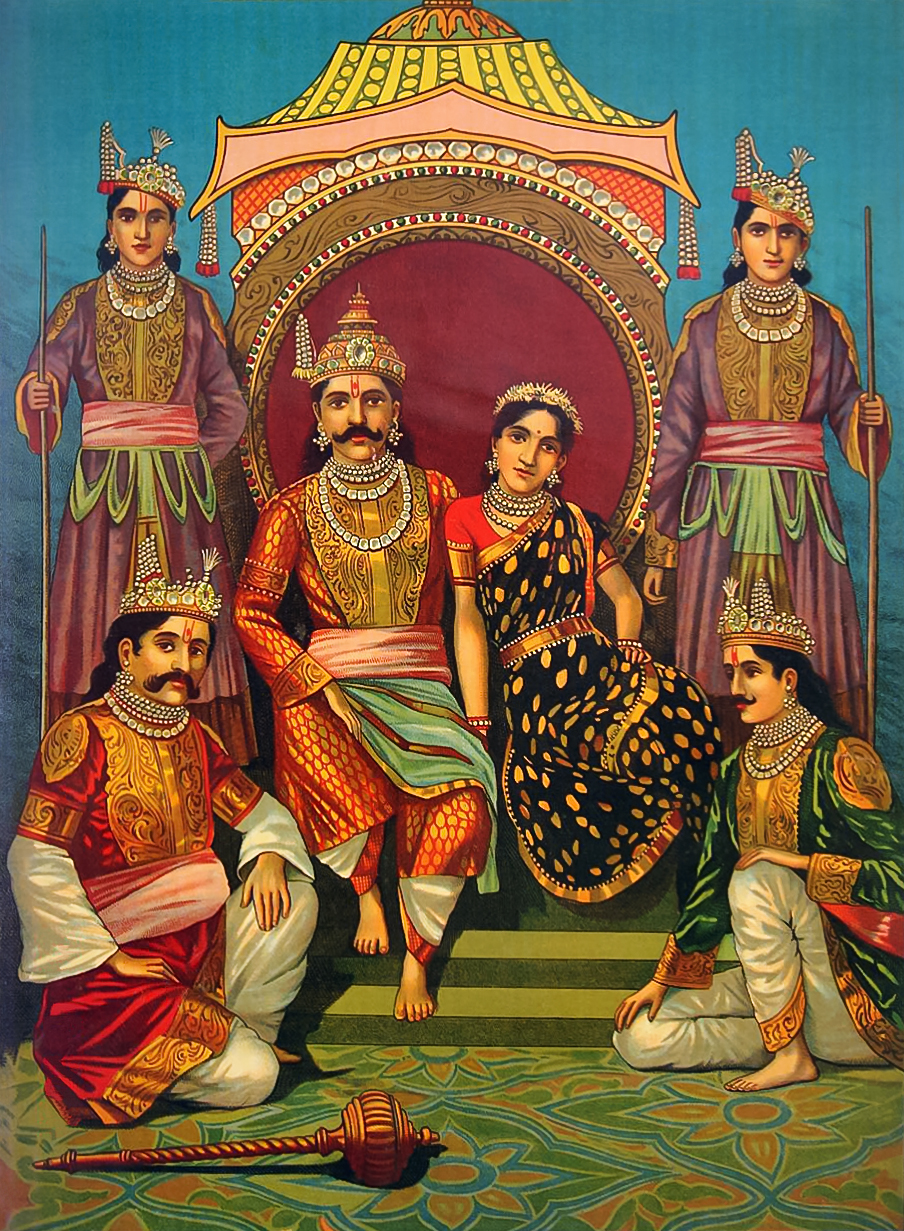
Fraternal polyandry is practiced among Tibetans in Nepal and parts of China, in which two or more brothers are married to the same wife, with the wife having equal sexual access to them. It is associated with partible paternity, the cultural belief that a child can have more than one father. Several ethnic groups practicing polyandry in India identify their customs with their descent from Draupadi, a central character of the Mahabharata who was married to five brothers, although local practices may not be fraternal themselves.
Polyandry is believed to be more likely in societies with scarce environmental resources. It is believed to limit human population growth and enhance child survival. It is a rare form of marriage that exists not only among peasant families but also among elite families. For example, polyandry in the Himalayan mountains is related to the scarcity of land. The marriage of all brothers in a family to the same wife allows family land to remain intact and undivided. If every brother married separately and had children, family land would be split into unsustainable small plots. In contrast, very poor persons not owning land were less likely to practice polyandry in Buddhist Ladakh and Zanskar.[verification needed]
In Europe, the splitting up of land was prevented through the social practice of impartible inheritance. With most siblings disinherited, many of them became celibate monks and priests.
Unlike in fraternal polyandry (where a woman will receive a number of husbands simultaneously), in successional polyandry, a woman will acquire one husband after another in sequence.
This form is flexible. These men may or may not be related. And it may or may not incorporate a hierarchical system, where one husband is considered primary and may be allotted certain rights or privileges not awarded to secondary husbands, such as biologically fathering a child.
In cases where one husband has a primary role, the secondary husbands have the power to succeed the primary if he were to become severely ill or be away from the home for a long period of time or is otherwise rendered incapable of fulfilling his husbandly duties.
Hub AI
Polyandry AI simulator
(@Polyandry_simulator)
Polyandry
Polyandry (/ˈpɒliˌændri, ˌpɒliˈæn-/; from Ancient Greek πολύ (polú) 'many' and ἀνήρ (anḗr) 'man') is a form of polygamy in which a woman takes two or more husbands at the same time. Polyandry is contrasted with polygyny, involving one male and two or more females. If a marriage involves a plural number of "husbands and wives" participants of each gender, then it can be called polygamy, group or conjoint marriage. In its broadest use, polyandry refers to sexual relations with multiple males within or without marriage.
Of the 1,231 societies listed in the 1980 Ethnographic Atlas, 186 were found to be monogamous, 453 had occasional polygyny, 588 had more frequent polygyny, and four had polyandry. Polyandry is less rare than this figure suggests, as it considered only those examples found in the Himalayan mountain region (eight societies). More recent studies have found at least four other societies practicing polyandry.
Fraternal polyandry is practiced among Tibetans in Nepal and parts of China, in which two or more brothers are married to the same wife, with the wife having equal sexual access to them. It is associated with partible paternity, the cultural belief that a child can have more than one father. Several ethnic groups practicing polyandry in India identify their customs with their descent from Draupadi, a central character of the Mahabharata who was married to five brothers, although local practices may not be fraternal themselves.
Polyandry is believed to be more likely in societies with scarce environmental resources. It is believed to limit human population growth and enhance child survival. It is a rare form of marriage that exists not only among peasant families but also among elite families. For example, polyandry in the Himalayan mountains is related to the scarcity of land. The marriage of all brothers in a family to the same wife allows family land to remain intact and undivided. If every brother married separately and had children, family land would be split into unsustainable small plots. In contrast, very poor persons not owning land were less likely to practice polyandry in Buddhist Ladakh and Zanskar.[verification needed]
In Europe, the splitting up of land was prevented through the social practice of impartible inheritance. With most siblings disinherited, many of them became celibate monks and priests.
Unlike in fraternal polyandry (where a woman will receive a number of husbands simultaneously), in successional polyandry, a woman will acquire one husband after another in sequence.
This form is flexible. These men may or may not be related. And it may or may not incorporate a hierarchical system, where one husband is considered primary and may be allotted certain rights or privileges not awarded to secondary husbands, such as biologically fathering a child.
In cases where one husband has a primary role, the secondary husbands have the power to succeed the primary if he were to become severely ill or be away from the home for a long period of time or is otherwise rendered incapable of fulfilling his husbandly duties.