
Recent from talks
Prince-elector
Knowledge base stats:
Talk channels stats:
Members stats:
Prince-elector
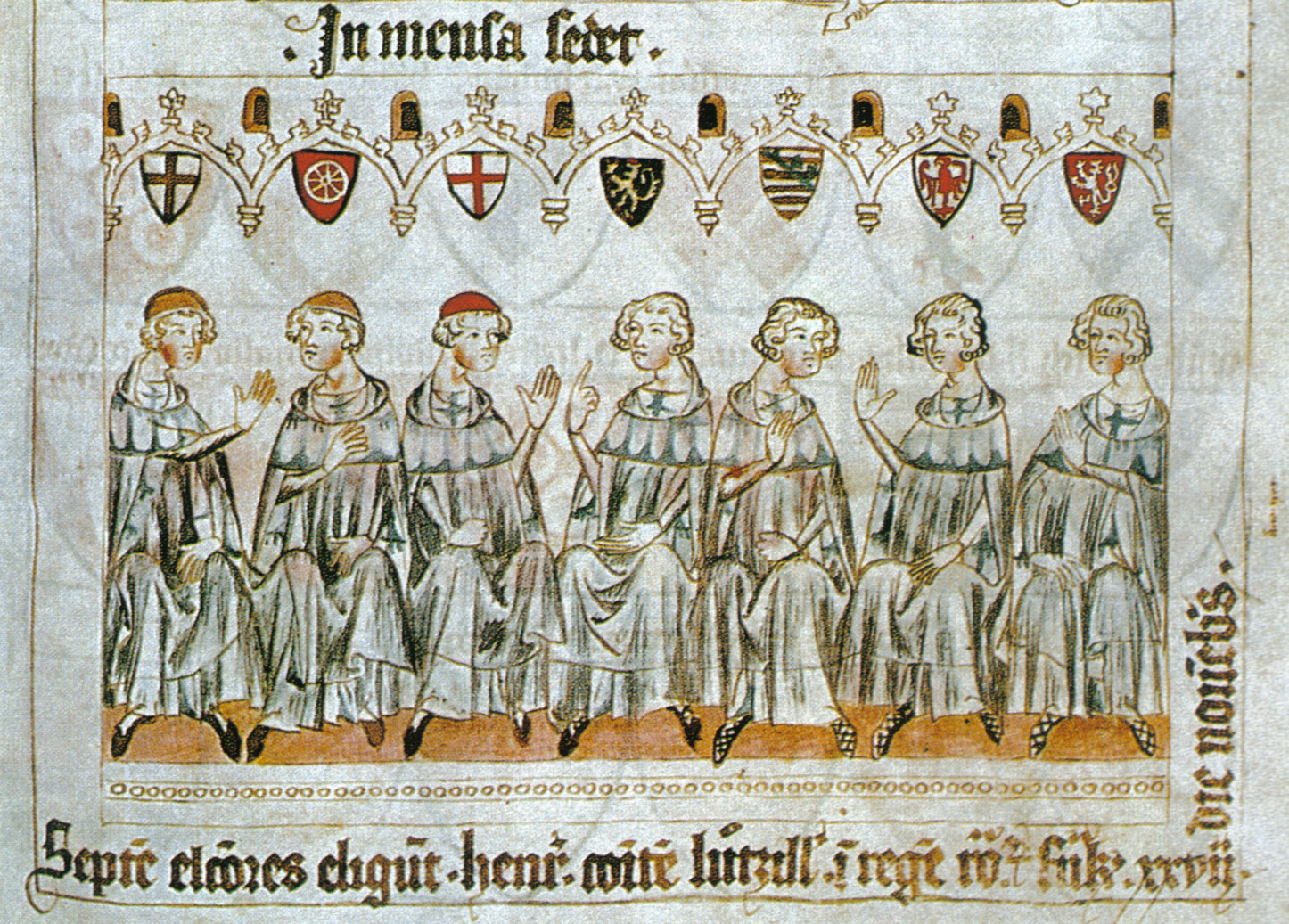
The prince-electors (German: Kurfürst [ˈkuːɐ̯ˌfʏʁst] ⓘ, pl. Kurfürsten [ˈkuːɐ̯ˌfʏʁstn̩] ⓘ, Czech: Kurfiřt, Latin: Princeps Elector) were the members of the Electoral College of the Holy Roman Empire, which elected the Holy Roman Emperor. Usually, half of the electors were archbishops.
From the 13th century onwards, a small group of prince-electors gained the privilege of electing the King of the Romans. The king would then later be crowned Emperor by the pope. Charles V (elected in 1519) was the last emperor to be crowned (1530); his successors assumed the title "Elected Emperor of the Romans" (German: erwählter Römischer Kaiser; Latin: electus Romanorum imperator) upon their coronation as kings.
The dignity of elector carried great prestige and was considered to be behind only the emperor, kings, and the highest dukes. The electors held exclusive privileges that were not shared with other princes of the Empire, and they continued to hold their original titles alongside that of elector.
The heir apparent to a secular prince-elector was known as an electoral prince (German: Kurprinz).
Electors were rulers of Reichsstände (Imperial Estates), enjoying precedence over the other Imperial Princes. They were, until the 18th century, exclusively entitled to be addressed with the title Durchlaucht (Serene Highness). In 1742, the electors became entitled to the superlative Durchlauchtigste (Most Serene Highness), while other princes were promoted to Durchlaucht.
As rulers of Imperial Estates, the electors enjoyed all the privileges of princes, including the right to enter into alliances, to autonomy in relation to dynastic affairs, and to precedence over other subjects. The Golden Bull granted them the Privilegium de non appellando, which prevented their subjects from lodging an appeal to a higher Imperial court. Although this privilege, and some others, were automatically granted to Electors, they were not exclusive to them and many of the larger Imperial Estates were also to be individually granted some or all those rights and privileges.
The electors, like the other princes ruling States of the Empire, were members of the Imperial Diet, which was divided into three collegia: the Council of Electors, the Council of Princes, and the Council of Cities. In addition to being members of the Council of Electors, most electors were also members of the Council of Princes by virtue of possessing territory or holding ecclesiastical position. The assent of both bodies was required for important decisions affecting the structure of the Empire, such as the creation of new electorates or States of the Empire.
Many electors ruled a number of States of the Empire or held several ecclesiastical titles, and therefore had multiple votes in the Council of Princes. In 1792, the Elector of Brandenburg had eight votes, the Elector of Bavaria six votes, the Elector of Hanover six votes, the King of Bohemia three votes, the Elector-Archbishop of Trier three votes, the Elector-Archbishop of Cologne two votes, and the Elector-Archbishop of Mainz one vote. Thus, of the hundred votes in the Council of Princes in 1792, twenty-nine belonged to electors, giving them considerable influence in the Council of Princes in addition to their positions as electors.
Hub AI
Prince-elector AI simulator
(@Prince-elector_simulator)
Prince-elector
The prince-electors (German: Kurfürst [ˈkuːɐ̯ˌfʏʁst] ⓘ, pl. Kurfürsten [ˈkuːɐ̯ˌfʏʁstn̩] ⓘ, Czech: Kurfiřt, Latin: Princeps Elector) were the members of the Electoral College of the Holy Roman Empire, which elected the Holy Roman Emperor. Usually, half of the electors were archbishops.
From the 13th century onwards, a small group of prince-electors gained the privilege of electing the King of the Romans. The king would then later be crowned Emperor by the pope. Charles V (elected in 1519) was the last emperor to be crowned (1530); his successors assumed the title "Elected Emperor of the Romans" (German: erwählter Römischer Kaiser; Latin: electus Romanorum imperator) upon their coronation as kings.
The dignity of elector carried great prestige and was considered to be behind only the emperor, kings, and the highest dukes. The electors held exclusive privileges that were not shared with other princes of the Empire, and they continued to hold their original titles alongside that of elector.
The heir apparent to a secular prince-elector was known as an electoral prince (German: Kurprinz).
Electors were rulers of Reichsstände (Imperial Estates), enjoying precedence over the other Imperial Princes. They were, until the 18th century, exclusively entitled to be addressed with the title Durchlaucht (Serene Highness). In 1742, the electors became entitled to the superlative Durchlauchtigste (Most Serene Highness), while other princes were promoted to Durchlaucht.
As rulers of Imperial Estates, the electors enjoyed all the privileges of princes, including the right to enter into alliances, to autonomy in relation to dynastic affairs, and to precedence over other subjects. The Golden Bull granted them the Privilegium de non appellando, which prevented their subjects from lodging an appeal to a higher Imperial court. Although this privilege, and some others, were automatically granted to Electors, they were not exclusive to them and many of the larger Imperial Estates were also to be individually granted some or all those rights and privileges.
The electors, like the other princes ruling States of the Empire, were members of the Imperial Diet, which was divided into three collegia: the Council of Electors, the Council of Princes, and the Council of Cities. In addition to being members of the Council of Electors, most electors were also members of the Council of Princes by virtue of possessing territory or holding ecclesiastical position. The assent of both bodies was required for important decisions affecting the structure of the Empire, such as the creation of new electorates or States of the Empire.
Many electors ruled a number of States of the Empire or held several ecclesiastical titles, and therefore had multiple votes in the Council of Princes. In 1792, the Elector of Brandenburg had eight votes, the Elector of Bavaria six votes, the Elector of Hanover six votes, the King of Bohemia three votes, the Elector-Archbishop of Trier three votes, the Elector-Archbishop of Cologne two votes, and the Elector-Archbishop of Mainz one vote. Thus, of the hundred votes in the Council of Princes in 1792, twenty-nine belonged to electors, giving them considerable influence in the Council of Princes in addition to their positions as electors.
Recent media