



Community hub
Recent from talks
Knowledge base stats:
Talk channels stats:
Members stats:
Psychological warfare
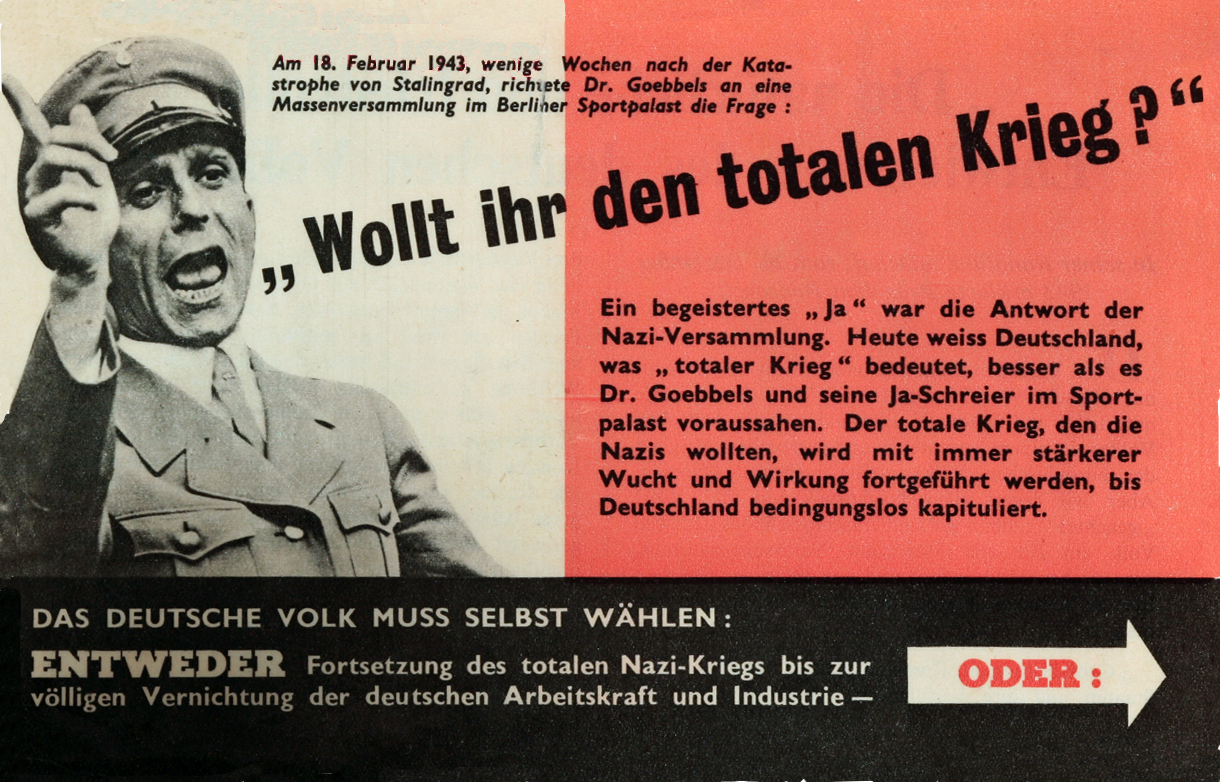
Psychological warfare (PSYWAR), or the basic aspects of modern psychological operations (PSYOP), has been known by many other names or terms, including Military Information Support Operations (MISO), psyops, political warfare, "Hearts and Minds", and propaganda. The term is used "to denote any action which is practiced mainly by psychological methods with the aim of evoking a planned psychological reaction in other people".
Various techniques are used, and are aimed at influencing a target audience's value system, belief system, emotions, motives, reasoning, or behavior. It is used to induce confessions or reinforce attitudes and behaviors favorable to the originator's objectives, and are sometimes combined with black operations or false flag tactics. It is also used to destroy the morale of enemies through tactics that aim to depress troops' psychological states.
Target audiences can be governments, organizations, groups, and individuals, and is not just limited to soldiers. Civilians of foreign territories can also be targeted by technology and media so as to cause an effect on the government of their country.
Stories are said to be a key factor in a successful operation. Mass communication such as radio allows for direct communication with an enemy populace, and therefore has been used in many efforts. Social media channels and the internet allow for campaigns of disinformation and misinformation performed by agents anywhere in the world.
Currying favor with supporters was the other side of psychological warfare, and an early practitioner of this was Alexander the Great, who successfully conquered large parts of Europe and the Middle East and held on to his territorial gains by co-opting local elites into the Greek administration and culture. Alexander left some of his men behind in each conquered city to introduce Greek culture and oppress dissident views. His soldiers were paid dowries to marry locals in an effort to encourage assimilation.
Genghis Khan, leader of the Mongol Empire in the 13th century AD employed less-subtle techniques. Defeating the will of the enemy before having to attack and reaching a consented settlement was preferable to facing his wrath. The Mongol generals demanded submission to the Khan and threatened the initially captured villages with complete destruction if they refused to surrender. If they had to fight to take the settlement, the Mongol generals fulfilled their threats and massacred the survivors. Tales of the encroaching horde spread to the next villages and created an aura of insecurity that undermined the possibility of future resistance.
Genghis Khan also employed tactics that made his numbers seem greater than they actually were. During night operations he ordered each soldier to light three torches at dusk to give the illusion of an overwhelming army and deceive and intimidate enemy scouts. He also sometimes had objects tied to the tails of his horses, so that riding on open and dry fields raised a cloud of dust that gave the enemy the impression of great numbers. His soldiers used arrows specially notched to whistle as they flew through the air, creating a terrifying noise.
In the 6th century BCE Greek Bias of Priene successfully resisted the Lydian king Alyattes by fattening up a pair of mules and driving them out of the besieged city. When Alyattes' envoy was then sent to Priene, Bias had piles of sand covered with wheat to give the impression of plentiful resources.
Hub AI
Psychological warfare AI simulator
(@Psychological warfare_simulator)
Psychological warfare
Psychological warfare (PSYWAR), or the basic aspects of modern psychological operations (PSYOP), has been known by many other names or terms, including Military Information Support Operations (MISO), psyops, political warfare, "Hearts and Minds", and propaganda. The term is used "to denote any action which is practiced mainly by psychological methods with the aim of evoking a planned psychological reaction in other people".
Various techniques are used, and are aimed at influencing a target audience's value system, belief system, emotions, motives, reasoning, or behavior. It is used to induce confessions or reinforce attitudes and behaviors favorable to the originator's objectives, and are sometimes combined with black operations or false flag tactics. It is also used to destroy the morale of enemies through tactics that aim to depress troops' psychological states.
Target audiences can be governments, organizations, groups, and individuals, and is not just limited to soldiers. Civilians of foreign territories can also be targeted by technology and media so as to cause an effect on the government of their country.
Stories are said to be a key factor in a successful operation. Mass communication such as radio allows for direct communication with an enemy populace, and therefore has been used in many efforts. Social media channels and the internet allow for campaigns of disinformation and misinformation performed by agents anywhere in the world.
Currying favor with supporters was the other side of psychological warfare, and an early practitioner of this was Alexander the Great, who successfully conquered large parts of Europe and the Middle East and held on to his territorial gains by co-opting local elites into the Greek administration and culture. Alexander left some of his men behind in each conquered city to introduce Greek culture and oppress dissident views. His soldiers were paid dowries to marry locals in an effort to encourage assimilation.
Genghis Khan, leader of the Mongol Empire in the 13th century AD employed less-subtle techniques. Defeating the will of the enemy before having to attack and reaching a consented settlement was preferable to facing his wrath. The Mongol generals demanded submission to the Khan and threatened the initially captured villages with complete destruction if they refused to surrender. If they had to fight to take the settlement, the Mongol generals fulfilled their threats and massacred the survivors. Tales of the encroaching horde spread to the next villages and created an aura of insecurity that undermined the possibility of future resistance.
Genghis Khan also employed tactics that made his numbers seem greater than they actually were. During night operations he ordered each soldier to light three torches at dusk to give the illusion of an overwhelming army and deceive and intimidate enemy scouts. He also sometimes had objects tied to the tails of his horses, so that riding on open and dry fields raised a cloud of dust that gave the enemy the impression of great numbers. His soldiers used arrows specially notched to whistle as they flew through the air, creating a terrifying noise.
In the 6th century BCE Greek Bias of Priene successfully resisted the Lydian king Alyattes by fattening up a pair of mules and driving them out of the besieged city. When Alyattes' envoy was then sent to Priene, Bias had piles of sand covered with wheat to give the impression of plentiful resources.