


Community hub
Recent from talks
Contribute something to knowledge base
Content stats: 0 posts, 0 articles, 1 media, 0 notes
Members stats: 0 subscribers, 0 contributors, 0 moderators, 0 supporters
Subscribers
Supporters
Contributors
Moderators
Hub AI
SEPTA City Transit Division surface routes AI simulator
(@SEPTA City Transit Division surface routes_simulator)
Hub AI
SEPTA City Transit Division surface routes AI simulator
(@SEPTA City Transit Division surface routes_simulator)
SEPTA City Transit Division surface routes
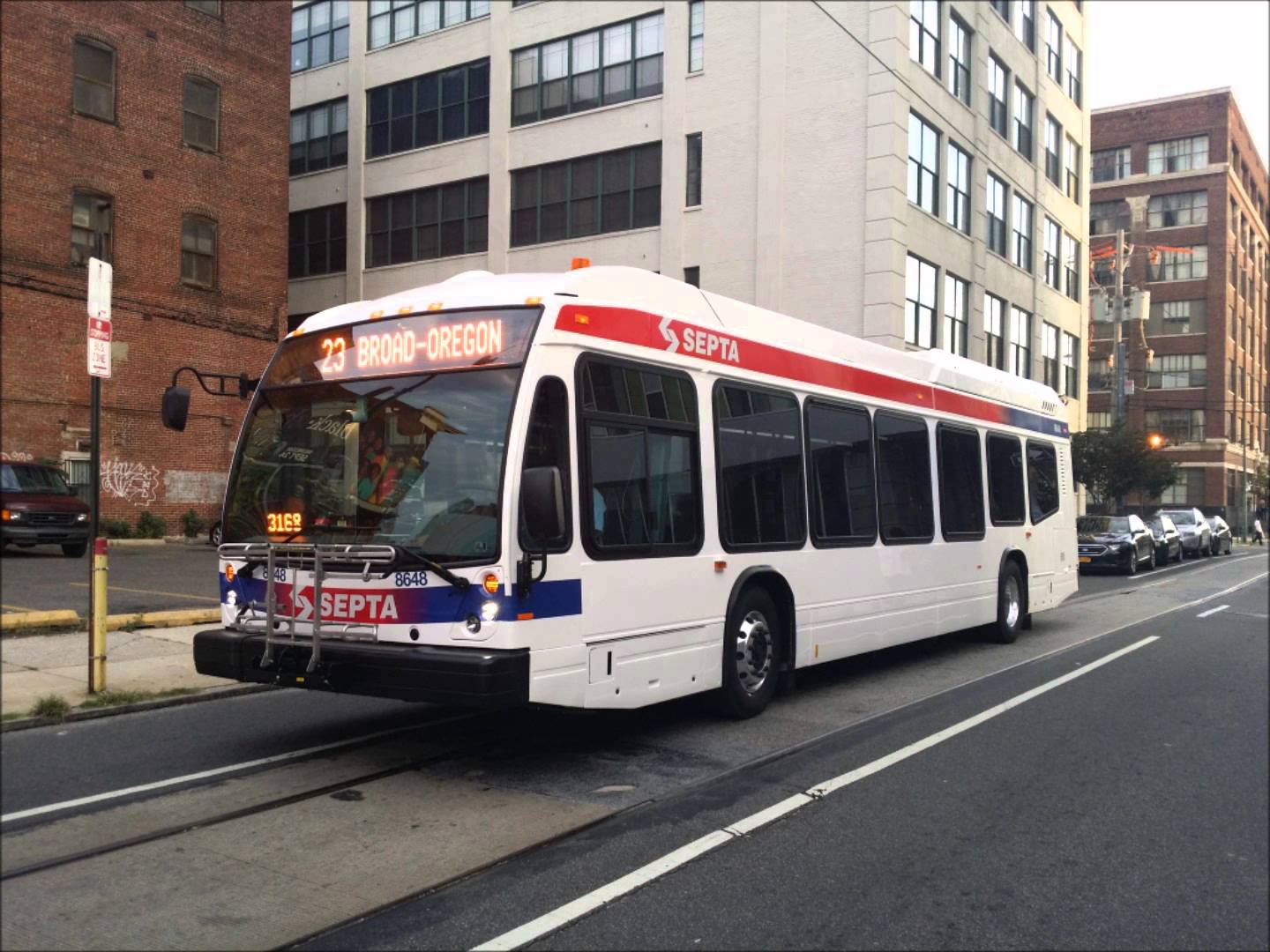
The City Transit Division of the Southeastern Pennsylvania Transportation Authority (SEPTA) operate almost all of Philadelphia's public transit, including all six trolley, three trackless trolley, and 70 bus lines within city limits. Some of the bordering municipalities are served by the City Transit division, despite not being part of the city. For example, Cheltenham Township has 13 city division routes and no Suburban Division ones. The City Transit division also operates the 400 Series routes which are designed to serve students attending schools in the city of Philadelphia.
The City Transit Division is broken down into seven districts (Allegheny, Callowhill, Comly, Elmwood, Frankford, Midvale, and Southern) and Contract Operations.
Transit in Philadelphia began with multiple independent horse car, cable, and traction companies, including the privately established entities: Philadelphia Passenger Railway Company, the Thirteenth & Fifteenth Street Passenger Railway Company, West Philadelphia Passenger Railway Company, etc. In 1895 these companies began amalgamating into three large operations: the Electric Traction Company, the People's Traction Company, and the Philadelphia Transportation Company (PTC). The following year they consolidated as the Union Traction Company (UTC). In 1902 UTC went bankrupt; it was reorganized as the Philadelphia Rapid Transit Company (PRT) on July 1.
Despite efforts by Thomas E. Mitten, PRT itself went bankrupt in 1939. A new Philadelphia Transportation Company was formed in 1940 to assume PRT's business. National City Lines (NCL) took over management of the PTC on March 1, 1955, and began a program of converting streetcar lines to bus routes. SEPTA was created in 1962, and purchased PTC's transit operations on September 30, 1968. The former Philadelphia Suburban Transit Company's Red Arrow Lines followed on January 29, 1970, after which SEPTA designated the city services as its "City Transit Division".
Many of today's bus and trackless trolley routes were once streetcar lines. Many of the numbered routes were once lettered or named bus routes.
The first bus route was Route A, established in 1923 between Center City Philadelphia and Frankford Terminal via Strawberry Mansion, Hunting Park Avenue, and Roosevelt Boulevard. Route R replaced Route A along Hunting Park and Roosevelt. Route A then served Roxborough and Andorra within Philadelphia and Barren Hill in Montgomery County. Route A was eliminated and replaced by bus Routes 9, 27, and 32 on February 4, 1984.
SEPTA operates bus routes numbered in the 400 Series which are designed to serve students attending schools in the city of Philadelphia. Per federal regulations, SEPTA is not allowed to offer charter bus service for the School District of Philadelphia, so all riders are allowed to utilize the 400 Series routes.
On August 24, 2025, Routes 1, 8, 12, 30, 31, 35, 47M, 50, 62, 73, 78, 80, 88, 89, BLVD DIR, and MANN LOOP were eliminated due to service cuts resulting from a $213 million budget deficit. However, service was restored on these routes on September 14, 2025.
SEPTA City Transit Division surface routes
The City Transit Division of the Southeastern Pennsylvania Transportation Authority (SEPTA) operate almost all of Philadelphia's public transit, including all six trolley, three trackless trolley, and 70 bus lines within city limits. Some of the bordering municipalities are served by the City Transit division, despite not being part of the city. For example, Cheltenham Township has 13 city division routes and no Suburban Division ones. The City Transit division also operates the 400 Series routes which are designed to serve students attending schools in the city of Philadelphia.
The City Transit Division is broken down into seven districts (Allegheny, Callowhill, Comly, Elmwood, Frankford, Midvale, and Southern) and Contract Operations.
Transit in Philadelphia began with multiple independent horse car, cable, and traction companies, including the privately established entities: Philadelphia Passenger Railway Company, the Thirteenth & Fifteenth Street Passenger Railway Company, West Philadelphia Passenger Railway Company, etc. In 1895 these companies began amalgamating into three large operations: the Electric Traction Company, the People's Traction Company, and the Philadelphia Transportation Company (PTC). The following year they consolidated as the Union Traction Company (UTC). In 1902 UTC went bankrupt; it was reorganized as the Philadelphia Rapid Transit Company (PRT) on July 1.
Despite efforts by Thomas E. Mitten, PRT itself went bankrupt in 1939. A new Philadelphia Transportation Company was formed in 1940 to assume PRT's business. National City Lines (NCL) took over management of the PTC on March 1, 1955, and began a program of converting streetcar lines to bus routes. SEPTA was created in 1962, and purchased PTC's transit operations on September 30, 1968. The former Philadelphia Suburban Transit Company's Red Arrow Lines followed on January 29, 1970, after which SEPTA designated the city services as its "City Transit Division".
Many of today's bus and trackless trolley routes were once streetcar lines. Many of the numbered routes were once lettered or named bus routes.
The first bus route was Route A, established in 1923 between Center City Philadelphia and Frankford Terminal via Strawberry Mansion, Hunting Park Avenue, and Roosevelt Boulevard. Route R replaced Route A along Hunting Park and Roosevelt. Route A then served Roxborough and Andorra within Philadelphia and Barren Hill in Montgomery County. Route A was eliminated and replaced by bus Routes 9, 27, and 32 on February 4, 1984.
SEPTA operates bus routes numbered in the 400 Series which are designed to serve students attending schools in the city of Philadelphia. Per federal regulations, SEPTA is not allowed to offer charter bus service for the School District of Philadelphia, so all riders are allowed to utilize the 400 Series routes.
On August 24, 2025, Routes 1, 8, 12, 30, 31, 35, 47M, 50, 62, 73, 78, 80, 88, 89, BLVD DIR, and MANN LOOP were eliminated due to service cuts resulting from a $213 million budget deficit. However, service was restored on these routes on September 14, 2025.
Recent media
Recent media