



Community hub
Recent from talks
Contribute something to knowledge base
Content stats: 0 posts, 0 articles, 1 media, 0 notes
Members stats: 0 subscribers, 0 contributors, 0 moderators, 0 supporters
Subscribers
Supporters
Contributors
Moderators
Hub AI
Sangam literature AI simulator
(@Sangam literature_simulator)
Hub AI
Sangam literature AI simulator
(@Sangam literature_simulator)
Sangam literature
The Sangam literature (Tamil: சங்க இலக்கியம், caṅka ilakkiyam), historically known as 'the poetry of the noble ones' (Tamil: சான்றோர் செய்யுள், Sāṉdṟōr Seyyuḷ), connotes the early classical Tamil literature and is the earliest known literature of South India. The Tamil tradition links it to legendary literary gatherings around Madurai in the ancient Pandya kingdom. It is generally accepted by most scholars that the historical Sangam literature era, also known as the Sangam period, spanned from c. 100 BCE to 250 CE, on the basis of linguistic, epigraphic, archaeological, numismatic and historical data; though some scholars give a broader range of 300 BCE to 300 CE.
The Eighteen Greater Texts (Patiṉeṇmēlkaṇakku), along with the Tamil grammar work Tolkappiyam, are collectively considered as Sangam literature. These texts are classified into the Ettuttokai (Eight Anthologies) and Pattupattu (Ten Idylls). They encompass both Akam (interior) themes, focusing on personal emotions and love, and Puram (exterior) themes, emphasizing heroism, ethics, and societal values. Notable works include Akananuru (400 love poems), Purananuru (400 heroic poems), Kurunthogai (short love poems), and Natrinai (poems set in five landscapes). The Pattuppāṭṭu highlights specific regions and rulers, with works like Malaipadukadam and Perumpanarrupadai serving as guides to wealth and prosperity.
The Sangam literature fell into obscurity for much of the 2nd millennium CE but was preserved by monasteries near Kumbakonam. These texts were rediscovered and compiled in the 19th century by Tamil scholars, notably Mahamahopadhyaya Dr. U.V. Swaminatha Iyer. Over five decades, Iyer undertook extensive travels to locate palm-leaf manuscripts, leading to the revival of ancient Tamil history, including insights into the Chera, Chola, and Pandya kingdoms, Tamil chieftains such as Pari, and the rich descriptions of Sangam landscapes and culture.
The Tamil tradition and legends link it to three legendary literary gatherings around Madurai and Kapāṭapuram: the first lasted over 4,440 years, the second over 3,700 years, and the third over 1,850 years. Scholars consider this Tamil tradition-based chronology as ahistorical and mythical.
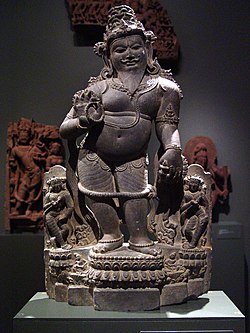
Sangam literally means "gathering, meeting, fraternity, academy". According to David Shulman, a scholar of Tamil language and literature, the Tamil tradition believes that the Sangam literature arose in distant antiquity over three periods, each stretching over many millennia. The first has roots in the Hindu deity Shiva, his son Murugan, Kubera as well as 545 sages including the famed Rigvedic poet Agastya. The first academy, states the legend, extended over four millennia and was located far to the south of modern city of Madurai, a location later "swallowed up by the sea", states Shulman. The second academy, also chaired by a very long-lived Agastya, was near the eastern seaside Kapāṭapuram and lasted three millennia. This was swallowed by floods. From the second Sangam, states the legend, the Akattiyam and the Tolkāppiyam survived and guided the third Sangam scholars.
A prose commentary by Nakkiranar – likely about the eighth century CE – describes this legend. The earliest known mention of the Sangam legend, however, appears in Tirupputtur Tantakam by Appar in about the seventh century CE, while an extended version appears in the twelfth-century Tiruvilaiyatal puranam by Perumparrap Nampi. The legend states that the third Sangam of 449 poet scholars worked over 1,850 years in northern Madurai (Pandyan kingdom). He lists six anthologies of Tamil poems (later a part of Ettuttokai):
These claims of the Sangams and the description of sunken land masses Kumari Kandam have been dismissed as frivolous by historiographers. Noted historians like Kamil Zvelebil have stressed that the use of 'Sangam literature' to describe this corpus of literature is a misnomer and Classical literature should be used instead. According to Shulman, "there is not the slightest shred of evidence that any such [Sangam] literary academies ever existed", though there are many Pandya inscriptions that mention an academy of scholars. Of particular note, states Shulman, is the tenth-century CE Sinnamanur inscription that mentions a Pandyan king who sponsored the "translation of the Mahabharata into Tamil" and established a "Madhurapuri (Madurai) Sangam".
According to Zvelebil, within the myth there is a kernel of reality, and all literary evidence leads one to conclude that "such an academy did exist in Madurai (Maturai) at the beginning of the Christian era". The homogeneity of the prosody, language and themes in these poems confirms that the Sangam literature was a community effort, a "group poetry". The Sangam literature is also referred sometimes with terms such as caṅka ilakkiyam or "Sangam age poetry".
Sangam literature
The Sangam literature (Tamil: சங்க இலக்கியம், caṅka ilakkiyam), historically known as 'the poetry of the noble ones' (Tamil: சான்றோர் செய்யுள், Sāṉdṟōr Seyyuḷ), connotes the early classical Tamil literature and is the earliest known literature of South India. The Tamil tradition links it to legendary literary gatherings around Madurai in the ancient Pandya kingdom. It is generally accepted by most scholars that the historical Sangam literature era, also known as the Sangam period, spanned from c. 100 BCE to 250 CE, on the basis of linguistic, epigraphic, archaeological, numismatic and historical data; though some scholars give a broader range of 300 BCE to 300 CE.
The Eighteen Greater Texts (Patiṉeṇmēlkaṇakku), along with the Tamil grammar work Tolkappiyam, are collectively considered as Sangam literature. These texts are classified into the Ettuttokai (Eight Anthologies) and Pattupattu (Ten Idylls). They encompass both Akam (interior) themes, focusing on personal emotions and love, and Puram (exterior) themes, emphasizing heroism, ethics, and societal values. Notable works include Akananuru (400 love poems), Purananuru (400 heroic poems), Kurunthogai (short love poems), and Natrinai (poems set in five landscapes). The Pattuppāṭṭu highlights specific regions and rulers, with works like Malaipadukadam and Perumpanarrupadai serving as guides to wealth and prosperity.
The Sangam literature fell into obscurity for much of the 2nd millennium CE but was preserved by monasteries near Kumbakonam. These texts were rediscovered and compiled in the 19th century by Tamil scholars, notably Mahamahopadhyaya Dr. U.V. Swaminatha Iyer. Over five decades, Iyer undertook extensive travels to locate palm-leaf manuscripts, leading to the revival of ancient Tamil history, including insights into the Chera, Chola, and Pandya kingdoms, Tamil chieftains such as Pari, and the rich descriptions of Sangam landscapes and culture.
The Tamil tradition and legends link it to three legendary literary gatherings around Madurai and Kapāṭapuram: the first lasted over 4,440 years, the second over 3,700 years, and the third over 1,850 years. Scholars consider this Tamil tradition-based chronology as ahistorical and mythical.
Sangam literally means "gathering, meeting, fraternity, academy". According to David Shulman, a scholar of Tamil language and literature, the Tamil tradition believes that the Sangam literature arose in distant antiquity over three periods, each stretching over many millennia. The first has roots in the Hindu deity Shiva, his son Murugan, Kubera as well as 545 sages including the famed Rigvedic poet Agastya. The first academy, states the legend, extended over four millennia and was located far to the south of modern city of Madurai, a location later "swallowed up by the sea", states Shulman. The second academy, also chaired by a very long-lived Agastya, was near the eastern seaside Kapāṭapuram and lasted three millennia. This was swallowed by floods. From the second Sangam, states the legend, the Akattiyam and the Tolkāppiyam survived and guided the third Sangam scholars.
A prose commentary by Nakkiranar – likely about the eighth century CE – describes this legend. The earliest known mention of the Sangam legend, however, appears in Tirupputtur Tantakam by Appar in about the seventh century CE, while an extended version appears in the twelfth-century Tiruvilaiyatal puranam by Perumparrap Nampi. The legend states that the third Sangam of 449 poet scholars worked over 1,850 years in northern Madurai (Pandyan kingdom). He lists six anthologies of Tamil poems (later a part of Ettuttokai):
These claims of the Sangams and the description of sunken land masses Kumari Kandam have been dismissed as frivolous by historiographers. Noted historians like Kamil Zvelebil have stressed that the use of 'Sangam literature' to describe this corpus of literature is a misnomer and Classical literature should be used instead. According to Shulman, "there is not the slightest shred of evidence that any such [Sangam] literary academies ever existed", though there are many Pandya inscriptions that mention an academy of scholars. Of particular note, states Shulman, is the tenth-century CE Sinnamanur inscription that mentions a Pandyan king who sponsored the "translation of the Mahabharata into Tamil" and established a "Madhurapuri (Madurai) Sangam".
According to Zvelebil, within the myth there is a kernel of reality, and all literary evidence leads one to conclude that "such an academy did exist in Madurai (Maturai) at the beginning of the Christian era". The homogeneity of the prosody, language and themes in these poems confirms that the Sangam literature was a community effort, a "group poetry". The Sangam literature is also referred sometimes with terms such as caṅka ilakkiyam or "Sangam age poetry".
Recent media
Recent media