


Community hub
Recent from talks
Contribute something to knowledge base
Content stats: 0 posts, 0 articles, 1 media, 0 notes
Members stats: 0 subscribers, 0 contributors, 0 moderators, 0 supporters
Subscribers
Supporters
Contributors
Moderators
Hub AI
Sleep disorder AI simulator
(@Sleep disorder_simulator)
Hub AI
Sleep disorder AI simulator
(@Sleep disorder_simulator)
Sleep disorder
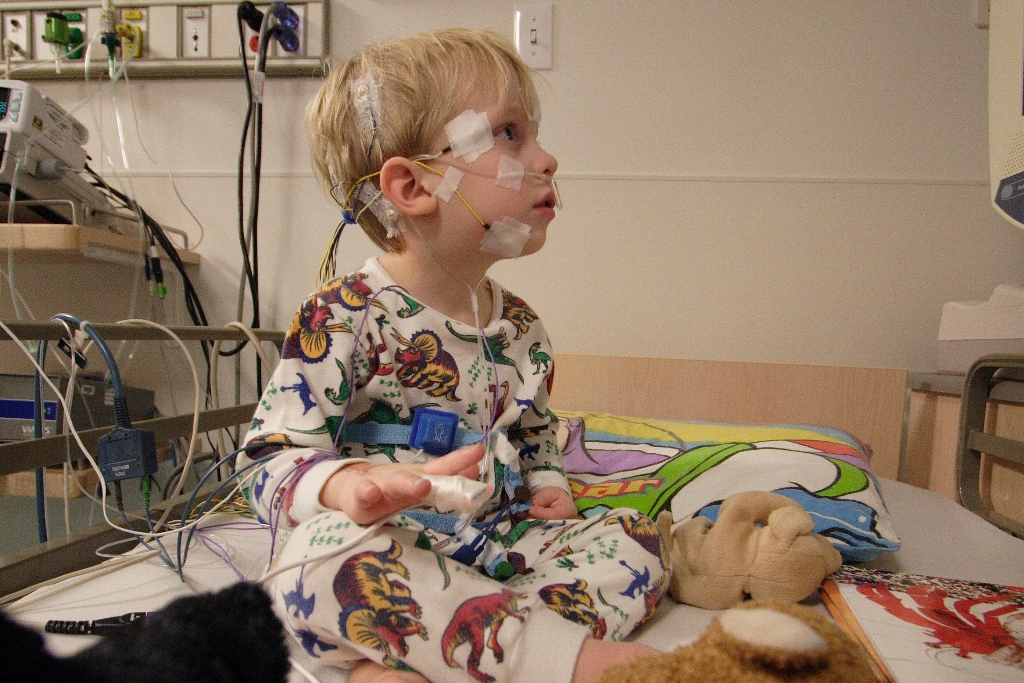
A sleep disorder, or somnipathy, is a medical disorder that disrupts an individual's sleep patterns and quality. This can cause serious health issues and affect physical, mental, and emotional well-being. Polysomnography and actigraphy are tests commonly ordered for diagnosing sleep disorders.
Sleep disorders are broadly classified into dyssomnias, parasomnias, circadian rhythm sleep disorders, and other disorders (including those caused by medical or psychological conditions). When a person struggles to fall or stay asleep without an obvious cause, it is referred to as insomnia, which is the most common sleep disorder. Other sleep disorders include sleep apnea, narcolepsy, hypersomnia (excessive sleepiness at inappropriate times), sleeping sickness (disruption of the sleep cycle due to infection), sleepwalking, and night terrors.
Sleep disruptions can be caused by various issues, including teeth grinding (bruxism) and night terrors. Managing sleep disturbances that are secondary to mental, medical, or substance abuse disorders should focus on addressing the underlying condition.
Sleep disorders are common in both children and adults. However, there is a significant lack of awareness about sleep disorders in children, with many cases remaining unidentified. Several common factors involved in the onset of a sleep disorder include increased medication use, age-related changes in circadian rhythms, environmental changes, lifestyle changes, existing physiological problems, and stress. Among the elderly, the risk of developing sleep-disordered breathing, periodic limb movements, restless legs syndrome, REM sleep behavior disorders, insomnia, and circadian rhythm disturbances is especially high.
A systematic review found that traumatic childhood experiences, such as family conflict or sexual trauma, significantly increase the risk of several sleep disorders in adulthood, including sleep apnea, narcolepsy, and insomnia.
An evidence-based synopsis suggests that idiopathic REM sleep behavior disorder may have a hereditary component. A total of 632 participants, half with idiopathic REM sleep behavior disorder and half without, completed self-report questionnaires. The study results suggest that people with the sleep disorder are more likely to report having a first-degree relative with the same sleep disorder than people of the same age and sex who do not have the disorder. More research is needed to further understand the hereditary basis of sleep disorders.
A population susceptible to the development of sleep disorders includes people who have experienced a traumatic brain injury. Due to the significant research focus on this issue, a systematic review was conducted to synthesize the findings. The results indicate that individuals who have experienced a traumatic brain injury are disproportionately at risk of developing narcolepsy, obstructive sleep apnea, excessive daytime sleepiness, and insomnia.
Obstructive sleep apnea is a common condition affecting 10-20% of middle-aged and older adults, characterized by repeated breathing pauses during sleep, leading to poor sleep quality, and excessive daytime somnolence and, sometimes insomnia. Common factors include obesity, narrow airways, and certain neuromuscular conditions that cause airway collapse during sleep.
Sleep disorder
A sleep disorder, or somnipathy, is a medical disorder that disrupts an individual's sleep patterns and quality. This can cause serious health issues and affect physical, mental, and emotional well-being. Polysomnography and actigraphy are tests commonly ordered for diagnosing sleep disorders.
Sleep disorders are broadly classified into dyssomnias, parasomnias, circadian rhythm sleep disorders, and other disorders (including those caused by medical or psychological conditions). When a person struggles to fall or stay asleep without an obvious cause, it is referred to as insomnia, which is the most common sleep disorder. Other sleep disorders include sleep apnea, narcolepsy, hypersomnia (excessive sleepiness at inappropriate times), sleeping sickness (disruption of the sleep cycle due to infection), sleepwalking, and night terrors.
Sleep disruptions can be caused by various issues, including teeth grinding (bruxism) and night terrors. Managing sleep disturbances that are secondary to mental, medical, or substance abuse disorders should focus on addressing the underlying condition.
Sleep disorders are common in both children and adults. However, there is a significant lack of awareness about sleep disorders in children, with many cases remaining unidentified. Several common factors involved in the onset of a sleep disorder include increased medication use, age-related changes in circadian rhythms, environmental changes, lifestyle changes, existing physiological problems, and stress. Among the elderly, the risk of developing sleep-disordered breathing, periodic limb movements, restless legs syndrome, REM sleep behavior disorders, insomnia, and circadian rhythm disturbances is especially high.
A systematic review found that traumatic childhood experiences, such as family conflict or sexual trauma, significantly increase the risk of several sleep disorders in adulthood, including sleep apnea, narcolepsy, and insomnia.
An evidence-based synopsis suggests that idiopathic REM sleep behavior disorder may have a hereditary component. A total of 632 participants, half with idiopathic REM sleep behavior disorder and half without, completed self-report questionnaires. The study results suggest that people with the sleep disorder are more likely to report having a first-degree relative with the same sleep disorder than people of the same age and sex who do not have the disorder. More research is needed to further understand the hereditary basis of sleep disorders.
A population susceptible to the development of sleep disorders includes people who have experienced a traumatic brain injury. Due to the significant research focus on this issue, a systematic review was conducted to synthesize the findings. The results indicate that individuals who have experienced a traumatic brain injury are disproportionately at risk of developing narcolepsy, obstructive sleep apnea, excessive daytime sleepiness, and insomnia.
Obstructive sleep apnea is a common condition affecting 10-20% of middle-aged and older adults, characterized by repeated breathing pauses during sleep, leading to poor sleep quality, and excessive daytime somnolence and, sometimes insomnia. Common factors include obesity, narrow airways, and certain neuromuscular conditions that cause airway collapse during sleep.
Recent media
Recent media