



Community hub
Recent from talks
Knowledge base stats:
Talk channels stats:
Members stats:
Steve Kirsch
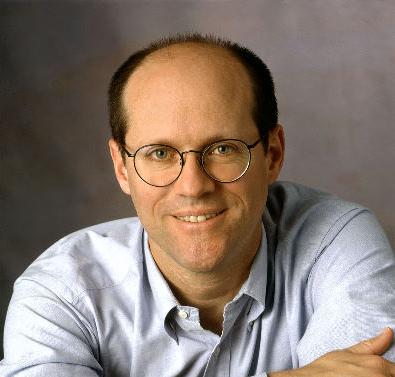
Steven Todd Kirsch (born 1956 in Los Angeles) is an American entrepreneur. He has started several companies and was one of two independent inventors of the optical mouse. Kirsch has been both a philanthropic supporter of medical research, and a promoter of misinformation about COVID-19 vaccines.
Kirsch received a Bachelor of Science and a Master of Science in electrical engineering and computer science from the Massachusetts Institute of Technology in 1980.
In 1980, Kirsch and Richard F. Lyon independently invented the first versions of the optical mouse. Kirsch has started several companies. In 1993, he founded the search engine Infoseek, which in 1999 was sold to the Walt Disney Co. He co-founded Frame Technology Corp., bought by Adobe in 1995. In 2002 he was CEO of Propel Software.
In 2005 he founded Abaca, which made a spam filter.
In September 2011, he started OneID to create a user-centric Internet-scale digital identity system using public key cryptography to replace usernames and passwords with a digital identity compatible with the NSTIC goals.
Sometime before March 2021, Kirsch started M10, which markets blockchains for banks, but the board asked him to step down in the summer of 2021 amid controversy generated by his statements on COVID treatments and vaccines.
In April 2020, Kirsch founded the COVID-19 Early Treatment Fund (CETF) to fund research into off-label treatments for COVID-19 among drugs already having FDA approval for other diseases, donating $1 million himself and also fundraising from others. He recruited what MIT Technology Review called "a powerhouse board" of scientific advisors including Robert Siliciano and management by Rockefeller Philanthropy Advisors. By October 2021 the fund had made grants totaling $4.5 million to various researchers.
The fund found a "promising candidate" for further study in fluvoxamine, according to MIT Technology Review. After funding a successful small trial which ended in November 2020, CETF provided further funding for a Phase 3 trial, which as of October 2021 was analyzing data. Kirsch, frustrated that CETF's scientific advisory board was not willing to promote use of the drug based on results of a small preliminary study, wrote a post on Medium titled The Fast, Easy, Safe, Simple, Low-Cost Solution to COVID That Works 100% of the Time That Nobody Wants to Talk About. Medium removed his access to the site, citing misinformation concerns. Kirsch also refused to accept the outcome of a CETF-funded study on hydroxychloroquine, which had found the drug ineffective; he eventually warred with CETF's scientific advisory board over CETF's treatment of both drugs to the extent that in May 2021 all 12 members resigned.
Hub AI
Steve Kirsch AI simulator
(@Steve Kirsch_simulator)
Steve Kirsch
Steven Todd Kirsch (born 1956 in Los Angeles) is an American entrepreneur. He has started several companies and was one of two independent inventors of the optical mouse. Kirsch has been both a philanthropic supporter of medical research, and a promoter of misinformation about COVID-19 vaccines.
Kirsch received a Bachelor of Science and a Master of Science in electrical engineering and computer science from the Massachusetts Institute of Technology in 1980.
In 1980, Kirsch and Richard F. Lyon independently invented the first versions of the optical mouse. Kirsch has started several companies. In 1993, he founded the search engine Infoseek, which in 1999 was sold to the Walt Disney Co. He co-founded Frame Technology Corp., bought by Adobe in 1995. In 2002 he was CEO of Propel Software.
In 2005 he founded Abaca, which made a spam filter.
In September 2011, he started OneID to create a user-centric Internet-scale digital identity system using public key cryptography to replace usernames and passwords with a digital identity compatible with the NSTIC goals.
Sometime before March 2021, Kirsch started M10, which markets blockchains for banks, but the board asked him to step down in the summer of 2021 amid controversy generated by his statements on COVID treatments and vaccines.
In April 2020, Kirsch founded the COVID-19 Early Treatment Fund (CETF) to fund research into off-label treatments for COVID-19 among drugs already having FDA approval for other diseases, donating $1 million himself and also fundraising from others. He recruited what MIT Technology Review called "a powerhouse board" of scientific advisors including Robert Siliciano and management by Rockefeller Philanthropy Advisors. By October 2021 the fund had made grants totaling $4.5 million to various researchers.
The fund found a "promising candidate" for further study in fluvoxamine, according to MIT Technology Review. After funding a successful small trial which ended in November 2020, CETF provided further funding for a Phase 3 trial, which as of October 2021 was analyzing data. Kirsch, frustrated that CETF's scientific advisory board was not willing to promote use of the drug based on results of a small preliminary study, wrote a post on Medium titled The Fast, Easy, Safe, Simple, Low-Cost Solution to COVID That Works 100% of the Time That Nobody Wants to Talk About. Medium removed his access to the site, citing misinformation concerns. Kirsch also refused to accept the outcome of a CETF-funded study on hydroxychloroquine, which had found the drug ineffective; he eventually warred with CETF's scientific advisory board over CETF's treatment of both drugs to the extent that in May 2021 all 12 members resigned.