



Community hub
Recent from talks
Knowledge base stats:
Talk channels stats:
Members stats:
Sultan Bathery
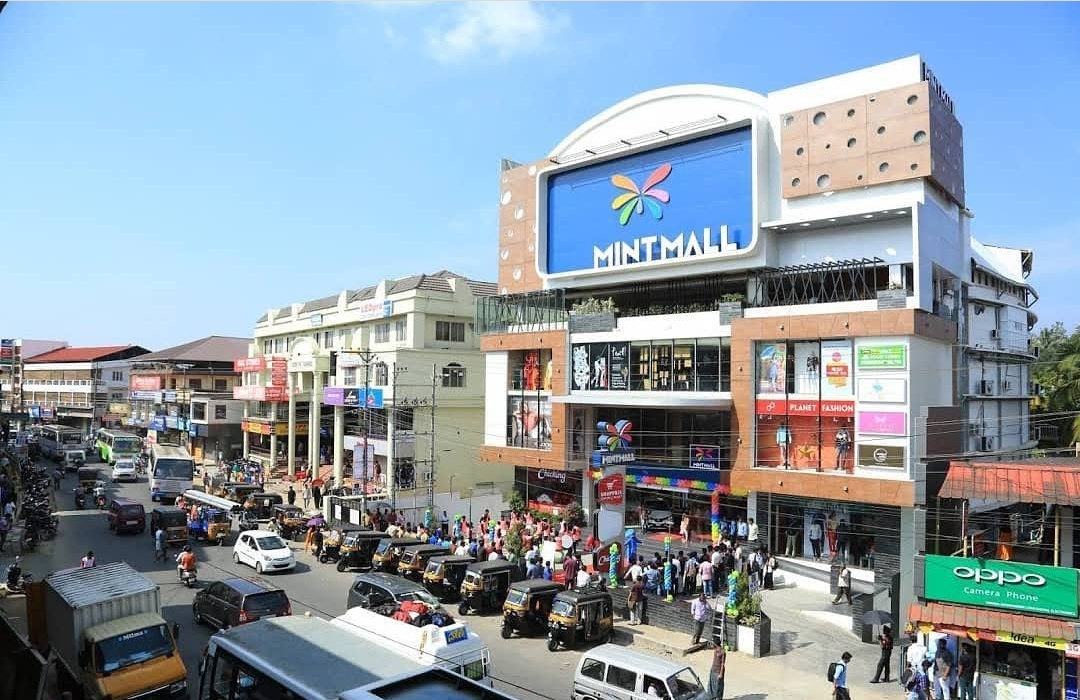
Sulthan Bathery is a major municipal town in the Wayanad district of Kerala, India. It serves as the administrative headquarters of Sultan Bathery taluk and is the most populous and commercially active urban center in the district.
The modern town was part of Kidanganad village, so-called because of the presence of the Kidangan tribe. During the invasion of Malabar by Mysore ruler Tipu Sultan, the town was used by the Mysore army as the storeroom or battery for its ammunition and used a 13th-century Ganapathi Temple located here as a battery. Thus the town known as "Sultan's Battery" was later referred to in British records as "Sultan Bathery".
The recorded history of Sultan Bathery, commensurate with that of Wayanad, begins in the 10th century. In 930 AD, Emperor Erayappa of the Ganga dynasty led his troops to what would later become the district in the south-west of Mysore and, after conquering it, called it Bayalnad, meaning the land of swamps.[citation needed] After Erayappa died, his sons Rachamalla and Battunga fought each other for the new kingdom of their father's legacy. Rachamalla was killed and Battunga became the undisputed ruler of Bayalnad.[citation needed]
In the 12th century AD, the Gangas were dethroned by the Kadamba dynasty of North Canara. In 1104 AD, Vishnuvardhana of Hoysala invaded Bayalnad followed by the Vijayanagara dynasty in the 16th century. In 1610 AD, Udaiyar Raja Wadiyar of Mysore drove out Vijayanagara and became the ruler of Bayalnad and the Nilgiris. When Wayanad was under Hyder Ali's rule, the ghat road from Vythiri to Thamarassery was constructed. Later, the British rulers developed this route into Carter Road.
British rule began at the start of the 19th century after the East India Company seized Wayanad from the hands of Pazhassi Raja and administered the district until it was superseded by the British Raj in 1858. Until 1947, Wayanad was under the rule of the Malabar collector. History has it that Wayanad has a rich folk culture that gave way to the British domination of Wayanad. The British named the village Sultan's Battery, which in later history means the Sultan's Armory.[citation needed]
The Edakkal Caves have evidence of the existence of a Neolithic civilisation in Wayanad. According to H. S. Graeme, the Thalassery Sub-Collector T. H. Balan was the first to start a revenue settlement in Wayanad.[citation needed] For administrative convenience, the area was divided into Munnadu, Muthoornadu, Ilangkornadu, Nallurnadu, Edanashankur, Poronnur, Kurumbala, Wayanad, Nambikkoli and Ganapathivattam (Ganapati). The importance and relevance of Ganapati has been mentioned often in the reports. History records that Sultan Bathery later became the place of Ganapati on the roadside during the battle of Hyder Ali and Tipu Sultan.[citation needed]
Ganapati grew as the medieval cities flourished, the four-way street, the main highway, and the center of worship. In 1934, the Kidanganad Panchayat was established. From the administration of the Malabar District Board, Ganapati became the administrative centre of the Kidanganad panchayat. The Niluppuzha Panchayat was formed in 1968 by the division of Kidanganad Panchayat, Nenmeni Panchayat in 1974 and Sultanbathery Panchayat in 1968.[citation needed]
New places of worship and educational institutions have emerged in different parts of the panchayat with the support of Hindu, Muslim and Christian communities. The Ganapati Temple, the Jain Temple and the Malankara Mosque are examples of the ancient history of Sultan Bathery.[citation needed] There is evidence that Sultan Bathery and other parts of Wayanad had been in contact through Tamil, Karnataka and Kodagu villages since medieval times.[citation needed]
Hub AI
Sultan Bathery AI simulator
(@Sultan Bathery_simulator)
Sultan Bathery
Sulthan Bathery is a major municipal town in the Wayanad district of Kerala, India. It serves as the administrative headquarters of Sultan Bathery taluk and is the most populous and commercially active urban center in the district.
The modern town was part of Kidanganad village, so-called because of the presence of the Kidangan tribe. During the invasion of Malabar by Mysore ruler Tipu Sultan, the town was used by the Mysore army as the storeroom or battery for its ammunition and used a 13th-century Ganapathi Temple located here as a battery. Thus the town known as "Sultan's Battery" was later referred to in British records as "Sultan Bathery".
The recorded history of Sultan Bathery, commensurate with that of Wayanad, begins in the 10th century. In 930 AD, Emperor Erayappa of the Ganga dynasty led his troops to what would later become the district in the south-west of Mysore and, after conquering it, called it Bayalnad, meaning the land of swamps.[citation needed] After Erayappa died, his sons Rachamalla and Battunga fought each other for the new kingdom of their father's legacy. Rachamalla was killed and Battunga became the undisputed ruler of Bayalnad.[citation needed]
In the 12th century AD, the Gangas were dethroned by the Kadamba dynasty of North Canara. In 1104 AD, Vishnuvardhana of Hoysala invaded Bayalnad followed by the Vijayanagara dynasty in the 16th century. In 1610 AD, Udaiyar Raja Wadiyar of Mysore drove out Vijayanagara and became the ruler of Bayalnad and the Nilgiris. When Wayanad was under Hyder Ali's rule, the ghat road from Vythiri to Thamarassery was constructed. Later, the British rulers developed this route into Carter Road.
British rule began at the start of the 19th century after the East India Company seized Wayanad from the hands of Pazhassi Raja and administered the district until it was superseded by the British Raj in 1858. Until 1947, Wayanad was under the rule of the Malabar collector. History has it that Wayanad has a rich folk culture that gave way to the British domination of Wayanad. The British named the village Sultan's Battery, which in later history means the Sultan's Armory.[citation needed]
The Edakkal Caves have evidence of the existence of a Neolithic civilisation in Wayanad. According to H. S. Graeme, the Thalassery Sub-Collector T. H. Balan was the first to start a revenue settlement in Wayanad.[citation needed] For administrative convenience, the area was divided into Munnadu, Muthoornadu, Ilangkornadu, Nallurnadu, Edanashankur, Poronnur, Kurumbala, Wayanad, Nambikkoli and Ganapathivattam (Ganapati). The importance and relevance of Ganapati has been mentioned often in the reports. History records that Sultan Bathery later became the place of Ganapati on the roadside during the battle of Hyder Ali and Tipu Sultan.[citation needed]
Ganapati grew as the medieval cities flourished, the four-way street, the main highway, and the center of worship. In 1934, the Kidanganad Panchayat was established. From the administration of the Malabar District Board, Ganapati became the administrative centre of the Kidanganad panchayat. The Niluppuzha Panchayat was formed in 1968 by the division of Kidanganad Panchayat, Nenmeni Panchayat in 1974 and Sultanbathery Panchayat in 1968.[citation needed]
New places of worship and educational institutions have emerged in different parts of the panchayat with the support of Hindu, Muslim and Christian communities. The Ganapati Temple, the Jain Temple and the Malankara Mosque are examples of the ancient history of Sultan Bathery.[citation needed] There is evidence that Sultan Bathery and other parts of Wayanad had been in contact through Tamil, Karnataka and Kodagu villages since medieval times.[citation needed]