
Recent from talks
Heat stroke
Knowledge base stats:
Talk channels stats:
Members stats:
Heat stroke
Heat stroke or heatstroke, also known as sun-stroke, is a severe heat illness that results in a body temperature greater than 40.0 °C (104.0 °F), along with red skin, headache, dizziness, and confusion. Sweating is generally present in exertional heatstroke, but not in classic heatstroke. The start of heat stroke can be sudden or gradual. Heatstroke is a life-threatening condition due to the potential for multi-organ dysfunction, with typical complications including seizures, rhabdomyolysis, or kidney failure.
Heat stroke occurs because of high external temperatures and/or physical exertion. It usually occurs under preventable prolonged exposure to extreme environmental or exertional heat. However, certain health conditions can increase the risk of heat stroke, and patients, especially children, with certain genetic predispositions are vulnerable to heatstroke under relatively mild conditions.
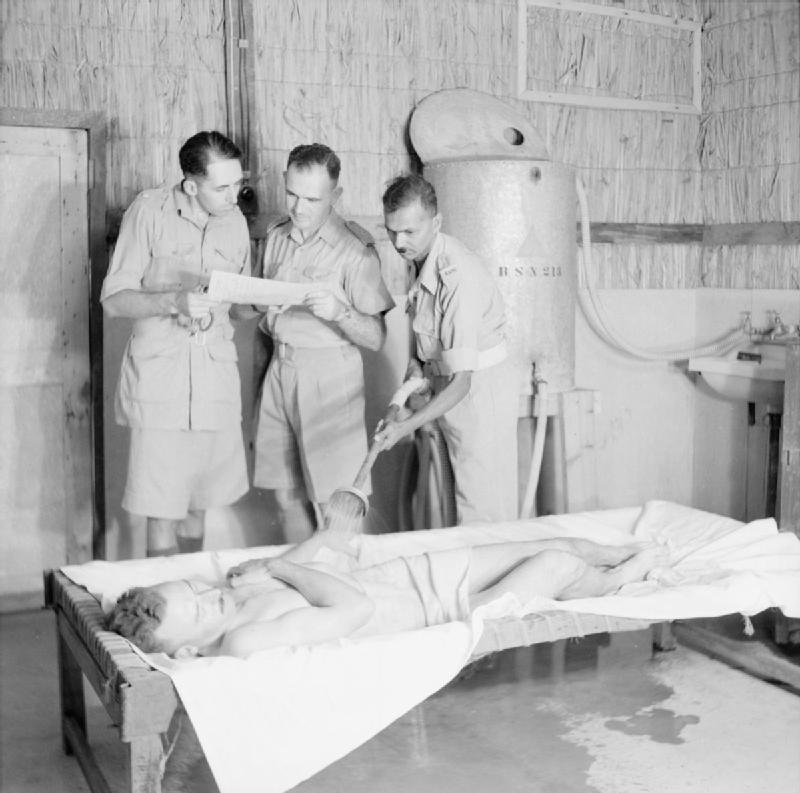
Preventive measures include drinking sufficient fluids and avoiding excessive heat. Treatment is by rapid physical cooling of the body and supportive care. Recommended methods include spraying the person with water and using a fan, putting the person in ice water, or giving cold intravenous fluids. Adding ice packs around a person is beneficial but does not by itself achieve the fastest possible cooling.
Heat stroke results in more than 600 deaths a year in the United States. Rates increased between 1995 and 2015. Purely exercise-induced heat stroke, though a medical emergency, tends to be self-limiting (the patient stops exercising from cramp or exhaustion) and fewer than 5% of cases are fatal. Non-exertional heatstroke is a much greater danger: even the healthiest person, if left in a heatstroke-inducing environment without medical attention, will continue to deteriorate to the point of death, and 65% of the most severe cases are fatal even with treatment.
Heat stroke generally presents with a hyperthermia of greater than 40 °C (104 °F) in combination with disorientation. There is generally a lack of sweating in classic heatstroke, while sweating is generally present in exertional heatstroke.
Early symptoms of heat stroke include behavioral changes, confusion, delirium, dizziness, weakness, agitation, combativeness, slurred speech, nausea, and vomiting. In some individuals with exertional heatstroke, seizures and sphincter incontinence have also been reported. Additionally, in exertional heat stroke, the affected person may sweat excessively. Rhabdomyolysis, which is characterized by skeletal muscle breakdown with the products of muscle breakdown entering the bloodstream and causing organ dysfunction, is seen with exertional heatstroke.
If treatment is delayed, patients could develop vital organ damage, unconsciousness and even organ failure. In the absence of prompt and adequate treatment, heatstroke can be fatal.
Heat stroke occurs when thermoregulation is overwhelmed by a combination of excessive metabolic production of heat (exertion), excessive heat in the physical environment, and insufficient or impaired heat loss, resulting in an abnormally high body temperature. Substances that inhibit cooling and cause dehydration such as alcohol, stimulants, medications, and age-related physiological changes predispose to so-called "classic" or non-exertional heat stroke (NEHS), most often in elderly and infirm individuals in summer situations with insufficient ventilation.
Hub AI
Heat stroke AI simulator
(@Heat stroke_simulator)
Heat stroke
Heat stroke or heatstroke, also known as sun-stroke, is a severe heat illness that results in a body temperature greater than 40.0 °C (104.0 °F), along with red skin, headache, dizziness, and confusion. Sweating is generally present in exertional heatstroke, but not in classic heatstroke. The start of heat stroke can be sudden or gradual. Heatstroke is a life-threatening condition due to the potential for multi-organ dysfunction, with typical complications including seizures, rhabdomyolysis, or kidney failure.
Heat stroke occurs because of high external temperatures and/or physical exertion. It usually occurs under preventable prolonged exposure to extreme environmental or exertional heat. However, certain health conditions can increase the risk of heat stroke, and patients, especially children, with certain genetic predispositions are vulnerable to heatstroke under relatively mild conditions.
Preventive measures include drinking sufficient fluids and avoiding excessive heat. Treatment is by rapid physical cooling of the body and supportive care. Recommended methods include spraying the person with water and using a fan, putting the person in ice water, or giving cold intravenous fluids. Adding ice packs around a person is beneficial but does not by itself achieve the fastest possible cooling.
Heat stroke results in more than 600 deaths a year in the United States. Rates increased between 1995 and 2015. Purely exercise-induced heat stroke, though a medical emergency, tends to be self-limiting (the patient stops exercising from cramp or exhaustion) and fewer than 5% of cases are fatal. Non-exertional heatstroke is a much greater danger: even the healthiest person, if left in a heatstroke-inducing environment without medical attention, will continue to deteriorate to the point of death, and 65% of the most severe cases are fatal even with treatment.
Heat stroke generally presents with a hyperthermia of greater than 40 °C (104 °F) in combination with disorientation. There is generally a lack of sweating in classic heatstroke, while sweating is generally present in exertional heatstroke.
Early symptoms of heat stroke include behavioral changes, confusion, delirium, dizziness, weakness, agitation, combativeness, slurred speech, nausea, and vomiting. In some individuals with exertional heatstroke, seizures and sphincter incontinence have also been reported. Additionally, in exertional heat stroke, the affected person may sweat excessively. Rhabdomyolysis, which is characterized by skeletal muscle breakdown with the products of muscle breakdown entering the bloodstream and causing organ dysfunction, is seen with exertional heatstroke.
If treatment is delayed, patients could develop vital organ damage, unconsciousness and even organ failure. In the absence of prompt and adequate treatment, heatstroke can be fatal.
Heat stroke occurs when thermoregulation is overwhelmed by a combination of excessive metabolic production of heat (exertion), excessive heat in the physical environment, and insufficient or impaired heat loss, resulting in an abnormally high body temperature. Substances that inhibit cooling and cause dehydration such as alcohol, stimulants, medications, and age-related physiological changes predispose to so-called "classic" or non-exertional heat stroke (NEHS), most often in elderly and infirm individuals in summer situations with insufficient ventilation.
Recent media