
Recent from talks
Oslo study
Knowledge base stats:
Talk channels stats:
Members stats:
Oslo study
The Oslo study (1891–1910) was an observational study of untreated syphilis at Oslo University Hospital, Rikshospitalet in Oslo, Norway. Under the supervision of the department head, Cæsar Boeck, treatment was withheld from approximately 2,000 patients with syphilis between the period of 1891 and 1910. The results of Boeck's patient observations were later documented by his successor Edvin Bruusgaard in the paper "The Fate of Syphilitics who had received no Specific Treatment" (1929).
The results of the study greatly influenced American researchers who conducted the Tuskegee Syphilis Study (1932–1972), in which treatment was withheld from African American men with syphilis.
In the 18th century, the standard treatment for syphilis was mercury, typically in the form of mercuric chloride, because it was believed that the sweating and salivation caused by mercury would help patients purge harmful substances from their bodies. As the effects of mercury poisoning became increasingly well documented in 19th century, many physicians began to reject mercury as a cure. Due to rapid urbanization and poverty, the number of syphilis cases in Norway rose during the 1870s and 1880s. Economic conditions also contributed to the growth of Norway's prostitution industry. In an attempt to curb the spread of syphilis, prostitutes were arrested and subjected to public medical examinations. Those found to have symptoms of syphilis were involuntarily sent to hospitals for treatment.
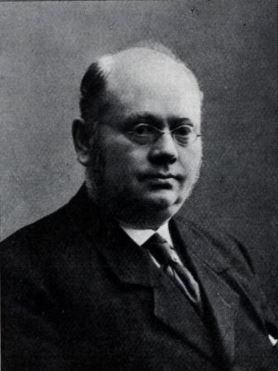
Cæsar Boeck, head of the Department of Dermatology at Oslo University Hospital, Rikshospitalet in Oslo, Norway, believed that mercury was ineffective and that it interfered with the body's natural defense mechanisms. He consequently prohibited the use of mercury to treat patients and began withholding all treatment from patients in his wards. These patients included men and women with primary and secondary syphilis. Under Boeck's direction, treatment was ultimately withheld from approximately 2,000 patients between 1891 and 1910. He recorded detailed observations of his patients, who were hospitalized until their symptoms had cleared sufficiently. Patients remained hospitalized for an average of 3.6 months, with the shortest hospital stay being 1 month and the longest being 12 months.
Caesar Boeck may have been influenced by his uncle, Carl Wilhelm Boeck, who also opposed the use of mercury as treatment. Carl Wilhelm preferred the treatment method developed by French physicianJoseph-Alexandre Auzias-Turenne, who exposed patients infected with syphilis to infectious material taken from the chancres of patients with early-stage syphilis. This was intended to inoculate patients against the disease in a manner similar to variolation. Carl Wilhelm exposed 1,075 patients to infectious material, which had a negative impact on their health. Caesar Boeck took a different approach by recommending that his patients improve their health through rest and diet. He began administering the antibiotic drug Salvarsan to his patients in 1910, shortly after the drug was introduced.
Between 1925 and 1927, Edvin Bruusgaard conducted a follow up study to document the health outcomes for 473 former patients who had been denied treatment by Boeck. He published his findings in a paper titled "The Fate of Syphilitics who had received no Specific Treatment" in 1929. His paper claimed that 27.9% of the surveyed patients had been spontaneously cured. It also claimed that 70% of all syphilis patients were not inconvenienced by the disease, although it acknowledged the severe symptoms experienced by the other 30%, including cardiovascular disease and premature death.
Among Bruusgaard findings, 13 cases of general paresis (five males), three being fatal (two males) and 6 tabes dorsalis cases (four males) were found (2 fatal cases both male). Nine aneurisma aortae were found among males, three dead. Among 23 autopsied males, 8 aortitis, five of simple character, one aneurisma and two aortic incompetancy were seen. A interesting fact became obvious in comparison of Gjestland and Bruusgaard finding : many Bruusgaard patients were clearly distinc being from Gjestland cohort.
In the 1940s and 1950s, Trygve Gjestland re-examined the cases of 1,404 patients, 80% of the total number of patients who were denied treatment by Boeck. He had the intention of determining the effect of untreated early-stage syphilis on mortality, and the impact of late stage syphilis. Gjestland published his findings as a thesis in 1955. The statistics he published that relate to long-term outcomes of syphilis are still used in 21st-century textbooks.
Hub AI
Oslo study AI simulator
(@Oslo study_simulator)
Oslo study
The Oslo study (1891–1910) was an observational study of untreated syphilis at Oslo University Hospital, Rikshospitalet in Oslo, Norway. Under the supervision of the department head, Cæsar Boeck, treatment was withheld from approximately 2,000 patients with syphilis between the period of 1891 and 1910. The results of Boeck's patient observations were later documented by his successor Edvin Bruusgaard in the paper "The Fate of Syphilitics who had received no Specific Treatment" (1929).
The results of the study greatly influenced American researchers who conducted the Tuskegee Syphilis Study (1932–1972), in which treatment was withheld from African American men with syphilis.
In the 18th century, the standard treatment for syphilis was mercury, typically in the form of mercuric chloride, because it was believed that the sweating and salivation caused by mercury would help patients purge harmful substances from their bodies. As the effects of mercury poisoning became increasingly well documented in 19th century, many physicians began to reject mercury as a cure. Due to rapid urbanization and poverty, the number of syphilis cases in Norway rose during the 1870s and 1880s. Economic conditions also contributed to the growth of Norway's prostitution industry. In an attempt to curb the spread of syphilis, prostitutes were arrested and subjected to public medical examinations. Those found to have symptoms of syphilis were involuntarily sent to hospitals for treatment.
Cæsar Boeck, head of the Department of Dermatology at Oslo University Hospital, Rikshospitalet in Oslo, Norway, believed that mercury was ineffective and that it interfered with the body's natural defense mechanisms. He consequently prohibited the use of mercury to treat patients and began withholding all treatment from patients in his wards. These patients included men and women with primary and secondary syphilis. Under Boeck's direction, treatment was ultimately withheld from approximately 2,000 patients between 1891 and 1910. He recorded detailed observations of his patients, who were hospitalized until their symptoms had cleared sufficiently. Patients remained hospitalized for an average of 3.6 months, with the shortest hospital stay being 1 month and the longest being 12 months.
Caesar Boeck may have been influenced by his uncle, Carl Wilhelm Boeck, who also opposed the use of mercury as treatment. Carl Wilhelm preferred the treatment method developed by French physicianJoseph-Alexandre Auzias-Turenne, who exposed patients infected with syphilis to infectious material taken from the chancres of patients with early-stage syphilis. This was intended to inoculate patients against the disease in a manner similar to variolation. Carl Wilhelm exposed 1,075 patients to infectious material, which had a negative impact on their health. Caesar Boeck took a different approach by recommending that his patients improve their health through rest and diet. He began administering the antibiotic drug Salvarsan to his patients in 1910, shortly after the drug was introduced.
Between 1925 and 1927, Edvin Bruusgaard conducted a follow up study to document the health outcomes for 473 former patients who had been denied treatment by Boeck. He published his findings in a paper titled "The Fate of Syphilitics who had received no Specific Treatment" in 1929. His paper claimed that 27.9% of the surveyed patients had been spontaneously cured. It also claimed that 70% of all syphilis patients were not inconvenienced by the disease, although it acknowledged the severe symptoms experienced by the other 30%, including cardiovascular disease and premature death.
Among Bruusgaard findings, 13 cases of general paresis (five males), three being fatal (two males) and 6 tabes dorsalis cases (four males) were found (2 fatal cases both male). Nine aneurisma aortae were found among males, three dead. Among 23 autopsied males, 8 aortitis, five of simple character, one aneurisma and two aortic incompetancy were seen. A interesting fact became obvious in comparison of Gjestland and Bruusgaard finding : many Bruusgaard patients were clearly distinc being from Gjestland cohort.
In the 1940s and 1950s, Trygve Gjestland re-examined the cases of 1,404 patients, 80% of the total number of patients who were denied treatment by Boeck. He had the intention of determining the effect of untreated early-stage syphilis on mortality, and the impact of late stage syphilis. Gjestland published his findings as a thesis in 1955. The statistics he published that relate to long-term outcomes of syphilis are still used in 21st-century textbooks.
Recent media