
Recent from talks
Tomás Domínguez Arévalo
Knowledge base stats:
Talk channels stats:
Members stats:
Tomás Domínguez Arévalo
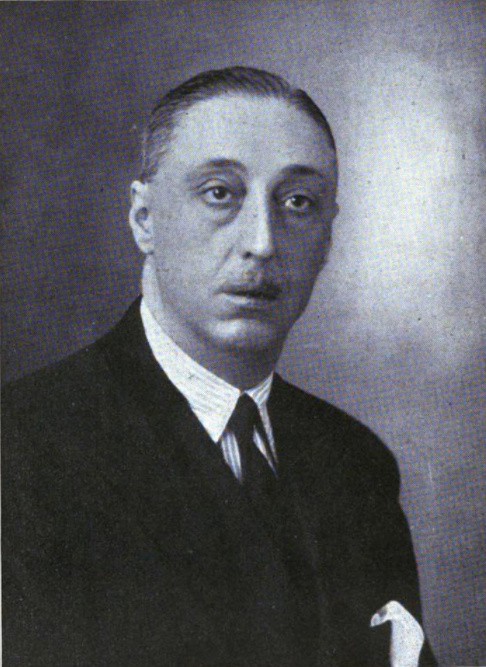
Tomás Domínguez Arévalo, 6th Count of Rodezno, 12th Marquis of San Martin (1882–1952) was a Spanish Carlist and Francoist politician. He is known mostly as the first Francoist Minister of Justice (1938–1939). He is also recognised for his key role in negotiating Carlist access to the coup of July 1936 and in emergence of carlo-francoism, the branch of Carlism which actively engaged in the Francoist regime.
Tomás Domínguez y de Arévalo Romera y Fernández Navarrete was a descendant of two landowner families from the very south and from the very north of Spain. The paternal Domínguez family has been for centuries related to the Andalusian town of Carmona (Seville province). Its first representatives were noted as regidores in the 18th century and intermarried with another distinguished local family, the Romeras. Their descendant was Tomás' father, Tomás Domínguez Romera (1848–1931), who inherited the local Campo de la Plata estate. He demonstrated political sympathies hardly typical for the region siding with the legitimists during the Third Carlist War and had to leave the country afterwards. Following the amnesty he returned to Spain and at unspecified date he married María de Arévalo y Fernandez de Navarrete (1854–1919), descendant to a Riojan-Navarrese Arévalo family. Her father, Justo Arévalo y Escudero, was a well known conservative politician; in the mid-19th century he served in the Cortes and later as a long-time senator from Navarre (1876–1891). As at the time of the marriage she was already condesa de Rodezno, Tomás Domínguez Romera became conde consorte.
In the late 1880s Tomás Domínguez Romera emerged holding major posts within the Madrid Carlist structures. In 1888 he was president of comisión de propaganda of the Madrid Junta Directiva del Circula Tradicionalista de Madrid the same year elected its secretario general, but when unsuccessfully running for the Cortes in the 1890s, he stood in Haro (Logroño province). He emerged triumphant in 4 successive elections between 1905 and 1914, voted in from the Navarrese district of Aoiz. At that time he was already member of the national Carlist executive; in 1912 he entered Junta Nacional Tradicionalista representing Castilla La Nueva, in 1913 entered comisión de Tesoro de la Tradición and chaired party gatherings interchanging with the likes of Cerralbo, Feliu or de Mella.
It is not clear whether Tomás Domínguez Arévalo spent his early childhood in the capital or in Villafranca. He was then educated in the Jesuit Colegio de San Isidoro in Madrid, at unspecified date commencing law studies at the University of Madrid; he followed classes of the then Carlist political leader, Matías Barrio y Mier. It is during his academic years that Domínguez came to know Jaime Chicharro and Luis Hernando de Larramendi, active in Juventud Jaimista but also in literary and artistic circles. He graduated in 1904; some authors, contemporary press and the official Cortes service refer to him as "abogado", though none of the sources consulted confirms that he practiced as a lawyer. Urbane and gregarious, in 1917 Domínguez married Asunción López-Montenegro y García Pelayo, descendant to a wealthy aristocratic terrateniente family from Cáceres, with its representatives holding prestigious posts in the city and in the province. The couple settled in Villafranca; they had one child, María Domínguez y López-Montenegro. Following the death of his mother in 1919, in 1920 Tomás Domínguez Arévalo inherited the title of conde de Rodezno; following the death of his father in 1931 he became marqués de San Martín.
There is almost no information on Domínguez's public activity in the first decade of the 20th century; he was probably active in Juventud Jaimista and Juventud Hispanoamericana. In 1909 he published his first work, a booklet dedicated to medieval rulers of Navarre, followed by articles in scholarly reviews focusing on history of the province and short biographical studies, also anchored in history of Navarre. Domínguez also tried his hand in Pamplona dailies as a literary critic. Some authors claim that his first public assignment was mayorship of Villafranca, but when first running for seat in the Cortes, he was referred to by the press only as "joven abogado y escritor".
Domínguez's entry into politics was facilitated by memory of his late maternal grandfather and especially by standing of his father, one of the most distinguished politicians of Navarre; his position is dubbed as "cacicato" and the Aoiz district was considered his personal fiefdom. It is not known why he decided not to renew his mandate in the 1916 campaign. Initially Domínguez Romera was to be substituted as Jaimista candidate by Joaquín Argamasilla, but in unclear circumstances the latter was replaced by Domínguez Arévalo. Argamasilla stroke back with a pamphlet, lambasting alleged alliance with the liberals and charging his substitute with flexibility bordering opportunism. Though resident of another Navarrese district of Tafalla, Domínguez Arévalo was also presented as a cuckoo candidate. Despite the critique, he was narrowly elected; he renewed his ticket, though also marginally, in the 1918 campaign in the same district.
At that time Carlism was increasingly paralyzed by tension between its top theorist Vazquez de Mella and the claimant Don Jaime; Domínguez was counted among supporters of the former. According to some historians he considered orthodox Carlism a dead-end street given the Carlist dynasty was already certain to extinguish. He shared de Mella's vision of a grand extreme-right coalition, which would be new possibilist reincarnation of Traditionalism; he also considered sort of transfer of legitimist rights to the Alfonsine dynasty. However, at the 1919 moment of breakup he decided to stay loyal to Don Jaime, even given discrepancies between him and his king were already public.
In the 1919 campaign Domínguez Arévalo presented his bid in Aoiz, but lost to a Maurista candidate by the smallest margin possible. In 1920 the same two hopefuls competed in the same district; this time Domínguez, already conde de Rodezno, lost more decisively, the visible sign of increasingly loose Carlist grip on Navarre. A mere week after the defeat he presented his candidature to the Senate. As indirect elections to the upper chamber were more about behind-the-stage party dealings rather than about seeking popular vote, the Jaimistas managed to negotiate Rodezno's success. He was also re-elected for the successive term in 1922. His activity as recorded in the Senate archive was insignificant. One of his few interventions referred to tariffs on cork exports, the issue he was personally interested in as there was cork produced on his Andalusian Carmona estate.
Hub AI
Tomás Domínguez Arévalo AI simulator
(@Tomás Domínguez Arévalo_simulator)
Tomás Domínguez Arévalo
Tomás Domínguez Arévalo, 6th Count of Rodezno, 12th Marquis of San Martin (1882–1952) was a Spanish Carlist and Francoist politician. He is known mostly as the first Francoist Minister of Justice (1938–1939). He is also recognised for his key role in negotiating Carlist access to the coup of July 1936 and in emergence of carlo-francoism, the branch of Carlism which actively engaged in the Francoist regime.
Tomás Domínguez y de Arévalo Romera y Fernández Navarrete was a descendant of two landowner families from the very south and from the very north of Spain. The paternal Domínguez family has been for centuries related to the Andalusian town of Carmona (Seville province). Its first representatives were noted as regidores in the 18th century and intermarried with another distinguished local family, the Romeras. Their descendant was Tomás' father, Tomás Domínguez Romera (1848–1931), who inherited the local Campo de la Plata estate. He demonstrated political sympathies hardly typical for the region siding with the legitimists during the Third Carlist War and had to leave the country afterwards. Following the amnesty he returned to Spain and at unspecified date he married María de Arévalo y Fernandez de Navarrete (1854–1919), descendant to a Riojan-Navarrese Arévalo family. Her father, Justo Arévalo y Escudero, was a well known conservative politician; in the mid-19th century he served in the Cortes and later as a long-time senator from Navarre (1876–1891). As at the time of the marriage she was already condesa de Rodezno, Tomás Domínguez Romera became conde consorte.
In the late 1880s Tomás Domínguez Romera emerged holding major posts within the Madrid Carlist structures. In 1888 he was president of comisión de propaganda of the Madrid Junta Directiva del Circula Tradicionalista de Madrid the same year elected its secretario general, but when unsuccessfully running for the Cortes in the 1890s, he stood in Haro (Logroño province). He emerged triumphant in 4 successive elections between 1905 and 1914, voted in from the Navarrese district of Aoiz. At that time he was already member of the national Carlist executive; in 1912 he entered Junta Nacional Tradicionalista representing Castilla La Nueva, in 1913 entered comisión de Tesoro de la Tradición and chaired party gatherings interchanging with the likes of Cerralbo, Feliu or de Mella.
It is not clear whether Tomás Domínguez Arévalo spent his early childhood in the capital or in Villafranca. He was then educated in the Jesuit Colegio de San Isidoro in Madrid, at unspecified date commencing law studies at the University of Madrid; he followed classes of the then Carlist political leader, Matías Barrio y Mier. It is during his academic years that Domínguez came to know Jaime Chicharro and Luis Hernando de Larramendi, active in Juventud Jaimista but also in literary and artistic circles. He graduated in 1904; some authors, contemporary press and the official Cortes service refer to him as "abogado", though none of the sources consulted confirms that he practiced as a lawyer. Urbane and gregarious, in 1917 Domínguez married Asunción López-Montenegro y García Pelayo, descendant to a wealthy aristocratic terrateniente family from Cáceres, with its representatives holding prestigious posts in the city and in the province. The couple settled in Villafranca; they had one child, María Domínguez y López-Montenegro. Following the death of his mother in 1919, in 1920 Tomás Domínguez Arévalo inherited the title of conde de Rodezno; following the death of his father in 1931 he became marqués de San Martín.
There is almost no information on Domínguez's public activity in the first decade of the 20th century; he was probably active in Juventud Jaimista and Juventud Hispanoamericana. In 1909 he published his first work, a booklet dedicated to medieval rulers of Navarre, followed by articles in scholarly reviews focusing on history of the province and short biographical studies, also anchored in history of Navarre. Domínguez also tried his hand in Pamplona dailies as a literary critic. Some authors claim that his first public assignment was mayorship of Villafranca, but when first running for seat in the Cortes, he was referred to by the press only as "joven abogado y escritor".
Domínguez's entry into politics was facilitated by memory of his late maternal grandfather and especially by standing of his father, one of the most distinguished politicians of Navarre; his position is dubbed as "cacicato" and the Aoiz district was considered his personal fiefdom. It is not known why he decided not to renew his mandate in the 1916 campaign. Initially Domínguez Romera was to be substituted as Jaimista candidate by Joaquín Argamasilla, but in unclear circumstances the latter was replaced by Domínguez Arévalo. Argamasilla stroke back with a pamphlet, lambasting alleged alliance with the liberals and charging his substitute with flexibility bordering opportunism. Though resident of another Navarrese district of Tafalla, Domínguez Arévalo was also presented as a cuckoo candidate. Despite the critique, he was narrowly elected; he renewed his ticket, though also marginally, in the 1918 campaign in the same district.
At that time Carlism was increasingly paralyzed by tension between its top theorist Vazquez de Mella and the claimant Don Jaime; Domínguez was counted among supporters of the former. According to some historians he considered orthodox Carlism a dead-end street given the Carlist dynasty was already certain to extinguish. He shared de Mella's vision of a grand extreme-right coalition, which would be new possibilist reincarnation of Traditionalism; he also considered sort of transfer of legitimist rights to the Alfonsine dynasty. However, at the 1919 moment of breakup he decided to stay loyal to Don Jaime, even given discrepancies between him and his king were already public.
In the 1919 campaign Domínguez Arévalo presented his bid in Aoiz, but lost to a Maurista candidate by the smallest margin possible. In 1920 the same two hopefuls competed in the same district; this time Domínguez, already conde de Rodezno, lost more decisively, the visible sign of increasingly loose Carlist grip on Navarre. A mere week after the defeat he presented his candidature to the Senate. As indirect elections to the upper chamber were more about behind-the-stage party dealings rather than about seeking popular vote, the Jaimistas managed to negotiate Rodezno's success. He was also re-elected for the successive term in 1922. His activity as recorded in the Senate archive was insignificant. One of his few interventions referred to tariffs on cork exports, the issue he was personally interested in as there was cork produced on his Andalusian Carmona estate.
Recent media