


Community hub
Recent from talks
Contribute something to knowledge base
Content stats: 0 posts, 0 articles, 1 media, 0 notes
Members stats: 0 subscribers, 0 contributors, 0 moderators, 0 supporters
Subscribers
Supporters
Contributors
Moderators
Hub AI
Reversible lane AI simulator
(@Reversible lane_simulator)
Hub AI
Reversible lane AI simulator
(@Reversible lane_simulator)
Reversible lane
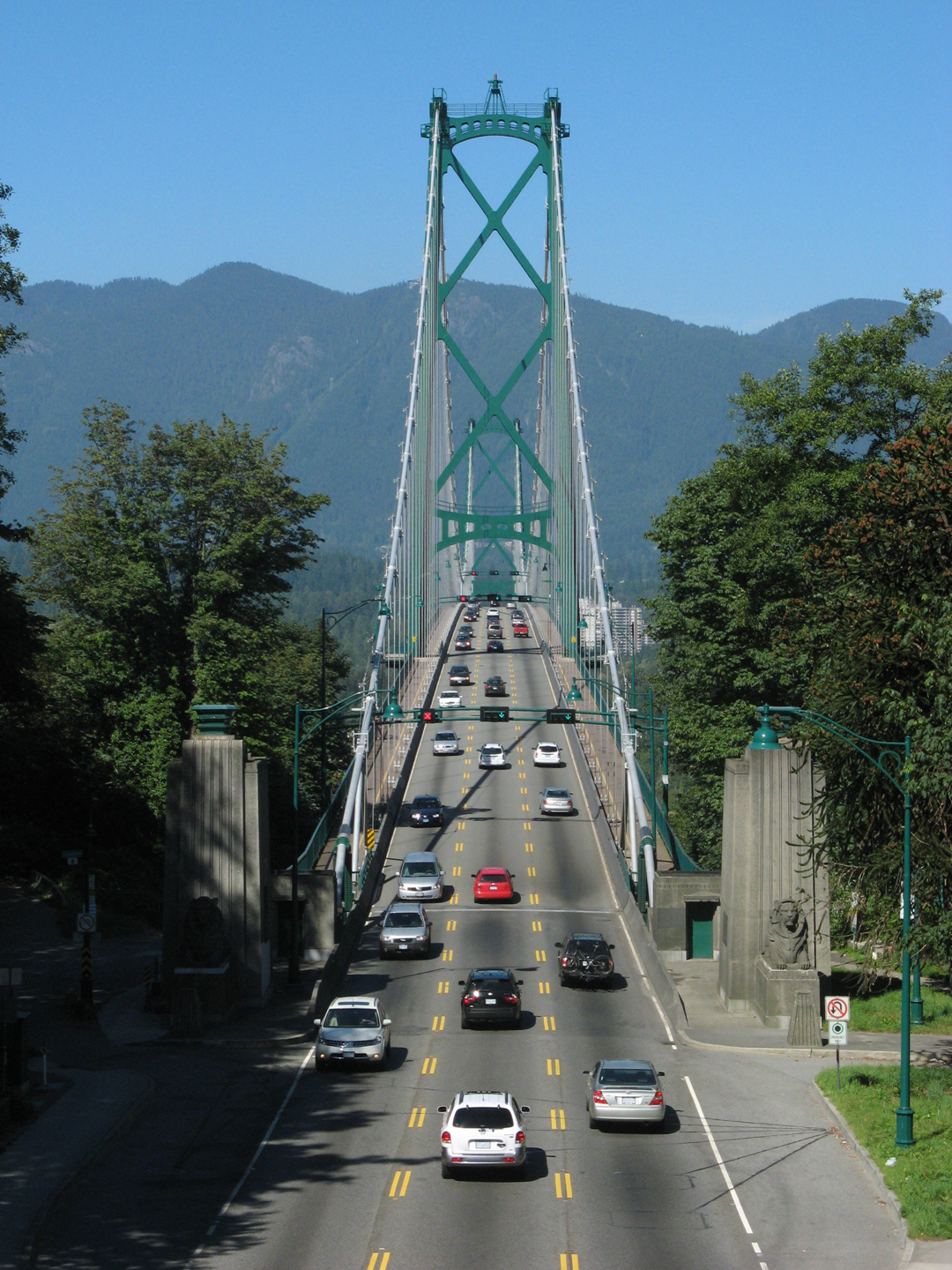
A reversible lane, also known as variable lane, dynamic lane, and tidal flow, is a managed lane in which traffic may travel in either direction, depending on certain conditions. Typically, it is meant to improve traffic flow during rush hours, by having overhead traffic lights and lighted street signs notifying drivers which lanes are open or closed to driving or turning.
Reversible lanes are also commonly found in tunnels and on bridges, and on the surrounding roadways – even where the lanes are not regularly reversed to handle normal changes in traffic flow. The presence of lane controls allows authorities to close or reverse lanes when unusual circumstances (such as construction or a traffic mishap) require use of fewer or more lanes to maintain orderly flow of traffic.
There are similar setups with slightly different usages, although the terms may be commonly used interchangeably.
Contraflow Lane: Typically used to refer to a bus lane running against a one-way street through the opposite direction
Contraflow Lane Reversal: Typically used to refer to a temporary setup of a lane running opposite to normal during special times, such as emergency evacuations, sports tournaments, or road construction/repairs.
Reversible Lane: Typically used to refer to a lane specifically designed to facilitate different directional usage regularly, with changes sometimes as frequent as twice a day.
There are typically three types of reversible lanes:
While reversible lane is a commonly used term, other terms include variable lanes, dynamic lanes, and flex lanes.
Reversible lane
A reversible lane, also known as variable lane, dynamic lane, and tidal flow, is a managed lane in which traffic may travel in either direction, depending on certain conditions. Typically, it is meant to improve traffic flow during rush hours, by having overhead traffic lights and lighted street signs notifying drivers which lanes are open or closed to driving or turning.
Reversible lanes are also commonly found in tunnels and on bridges, and on the surrounding roadways – even where the lanes are not regularly reversed to handle normal changes in traffic flow. The presence of lane controls allows authorities to close or reverse lanes when unusual circumstances (such as construction or a traffic mishap) require use of fewer or more lanes to maintain orderly flow of traffic.
There are similar setups with slightly different usages, although the terms may be commonly used interchangeably.
Contraflow Lane: Typically used to refer to a bus lane running against a one-way street through the opposite direction
Contraflow Lane Reversal: Typically used to refer to a temporary setup of a lane running opposite to normal during special times, such as emergency evacuations, sports tournaments, or road construction/repairs.
Reversible Lane: Typically used to refer to a lane specifically designed to facilitate different directional usage regularly, with changes sometimes as frequent as twice a day.
There are typically three types of reversible lanes:
While reversible lane is a commonly used term, other terms include variable lanes, dynamic lanes, and flex lanes.
Recent media
Recent media