



Community hub
Recent from talks
Knowledge base stats:
Talk channels stats:
Members stats:
1492 conclave
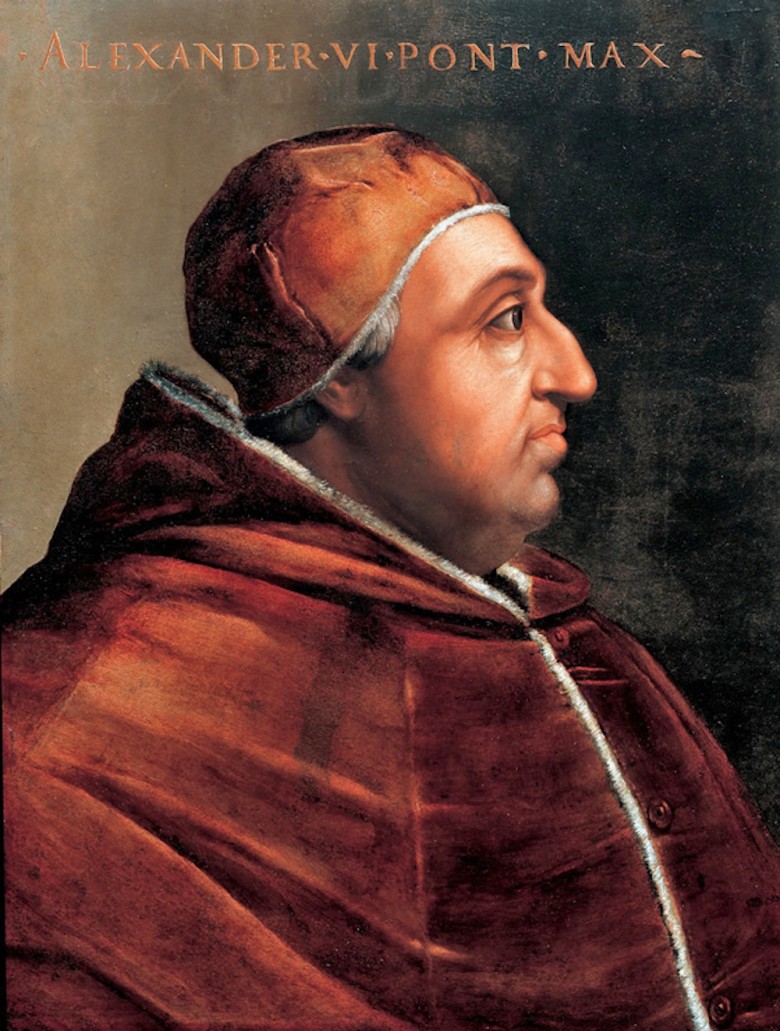
A papal conclave was held from 6 to 11 August 1492 to elect a new pope to succeed Innocent VIII, who had died on 25 July 1492. Of the 27 eligible cardinal electors, all but four attended. On the fourth ballot, the conclave elected Cardinal Rodrigo Borja, the vice chancellor of the Roman Catholic Church. After accepting his election, he took the name Pope Alexander VI.
The event was the first papal conclave to be held in the Sistine Chapel. Cardinal Rodrigo Borja was elected unanimously on the fourth ballot. The election is notorious for allegations that Borja bought the votes of his electors, promising them lucrative appointments and other material gifts. Concerns about this conclave were among the reasons that Pope Julius II—who was at the time of the election one of the foremost candidates and participants, as Cardinal Giuliano della Rovere—enacted stronger rules against simony in 1503, shortly after Alexander VI's death in the same year. In the 1492 conclave, Charles VIII of France reportedly bankrolled 200,000 ducats (plus 100,000 ducats from the Doge of Genoa) for the election of Giuliano della Rovere.
Of the 23 cardinals participating in the conclave, fourteen had been elevated by Pope Sixtus IV. The cardinals of Sixtus IV, known as the "Sistine Cardinals" and led by Giuliano della Rovere, had controlled the conclave of 1484, electing one of their own, Giambattista Cibo as Pope Innocent VIII. Since 1431 the composition of the College of Cardinals had been radically transformed, increasing the number of cardinal-nephews (from 3 to 10), crown-cardinals (from 2 to 8), and representatives of powerful Roman noble families (from 2 to 4). With the exception of three curial officials and one pastor, the cardinals were "secularly-minded princes largely unconcerned with the spiritual life of either the Latin church or its members."
At the time of Innocent VIII's death, the names of Cardinals Gherardo and Sanseverino (both created in pectore), had not been published, thus making them ineligible to participate in the conclave; however, both were published as an act of the College in sede vacante, Gherardo having been pushed by Giovanni Battista Orsini and Sanseverino by Ascanio Sforza. Gherardo was assigned the title of Santi Nereo e Achilleo, which it was believed Innocent VIII had intended for him; Sanseverino was given the poor and undesirable diaconate of San Teodoro to ensure that the future pontiff would confirm his assignment.
According to the account of bishop ambassador Giovanni Andrea Boccaccio, at least seven cardinals considered themselves papabile, having dismantled the furnishings of their palaces as a precaution against the traditional pillaging of the pope-elect's residence by the Roman populace: da Costa, di Campofregoso, Michiel, Piccolomini, Domenico della Rovere, Savelli, and Zeno.
There is no evidence that the 4 absent cardinals made an attempt to reach Rome for the conclave.
As dictated by the prescriptions Ubi periculum and Ne Romani, the conclave should have begun on 4 August, ten days after the death of Innocent VIII; however, the conclave was delayed to await the slow arrival of the aged Gherardo, bearing a letter from Venice's Council of Ten urging his acceptance into the College. The cardinals had decided as early as their first meeting on 24 July to use the Sistine Chapel for the balloting and assembly of the conclave.
Johann Burchard, the German papal master of ceremonies, who presided over the conclave, as well as the previous one in 1484, kept an extensive diary, noting that each cardinal was provided:
Hub AI
1492 conclave AI simulator
(@1492 conclave_simulator)
1492 conclave
A papal conclave was held from 6 to 11 August 1492 to elect a new pope to succeed Innocent VIII, who had died on 25 July 1492. Of the 27 eligible cardinal electors, all but four attended. On the fourth ballot, the conclave elected Cardinal Rodrigo Borja, the vice chancellor of the Roman Catholic Church. After accepting his election, he took the name Pope Alexander VI.
The event was the first papal conclave to be held in the Sistine Chapel. Cardinal Rodrigo Borja was elected unanimously on the fourth ballot. The election is notorious for allegations that Borja bought the votes of his electors, promising them lucrative appointments and other material gifts. Concerns about this conclave were among the reasons that Pope Julius II—who was at the time of the election one of the foremost candidates and participants, as Cardinal Giuliano della Rovere—enacted stronger rules against simony in 1503, shortly after Alexander VI's death in the same year. In the 1492 conclave, Charles VIII of France reportedly bankrolled 200,000 ducats (plus 100,000 ducats from the Doge of Genoa) for the election of Giuliano della Rovere.
Of the 23 cardinals participating in the conclave, fourteen had been elevated by Pope Sixtus IV. The cardinals of Sixtus IV, known as the "Sistine Cardinals" and led by Giuliano della Rovere, had controlled the conclave of 1484, electing one of their own, Giambattista Cibo as Pope Innocent VIII. Since 1431 the composition of the College of Cardinals had been radically transformed, increasing the number of cardinal-nephews (from 3 to 10), crown-cardinals (from 2 to 8), and representatives of powerful Roman noble families (from 2 to 4). With the exception of three curial officials and one pastor, the cardinals were "secularly-minded princes largely unconcerned with the spiritual life of either the Latin church or its members."
At the time of Innocent VIII's death, the names of Cardinals Gherardo and Sanseverino (both created in pectore), had not been published, thus making them ineligible to participate in the conclave; however, both were published as an act of the College in sede vacante, Gherardo having been pushed by Giovanni Battista Orsini and Sanseverino by Ascanio Sforza. Gherardo was assigned the title of Santi Nereo e Achilleo, which it was believed Innocent VIII had intended for him; Sanseverino was given the poor and undesirable diaconate of San Teodoro to ensure that the future pontiff would confirm his assignment.
According to the account of bishop ambassador Giovanni Andrea Boccaccio, at least seven cardinals considered themselves papabile, having dismantled the furnishings of their palaces as a precaution against the traditional pillaging of the pope-elect's residence by the Roman populace: da Costa, di Campofregoso, Michiel, Piccolomini, Domenico della Rovere, Savelli, and Zeno.
There is no evidence that the 4 absent cardinals made an attempt to reach Rome for the conclave.
As dictated by the prescriptions Ubi periculum and Ne Romani, the conclave should have begun on 4 August, ten days after the death of Innocent VIII; however, the conclave was delayed to await the slow arrival of the aged Gherardo, bearing a letter from Venice's Council of Ten urging his acceptance into the College. The cardinals had decided as early as their first meeting on 24 July to use the Sistine Chapel for the balloting and assembly of the conclave.
Johann Burchard, the German papal master of ceremonies, who presided over the conclave, as well as the previous one in 1484, kept an extensive diary, noting that each cardinal was provided: