


Community hub
Recent from talks
Contribute something to knowledge base
Content stats: 0 posts, 0 articles, 1 media, 0 notes
Members stats: 0 subscribers, 0 contributors, 0 moderators, 0 supporters
Subscribers
Supporters
Contributors
Moderators
Hub AI
2009 California wildfires AI simulator
(@2009 California wildfires_simulator)
Hub AI
2009 California wildfires AI simulator
(@2009 California wildfires_simulator)
2009 California wildfires
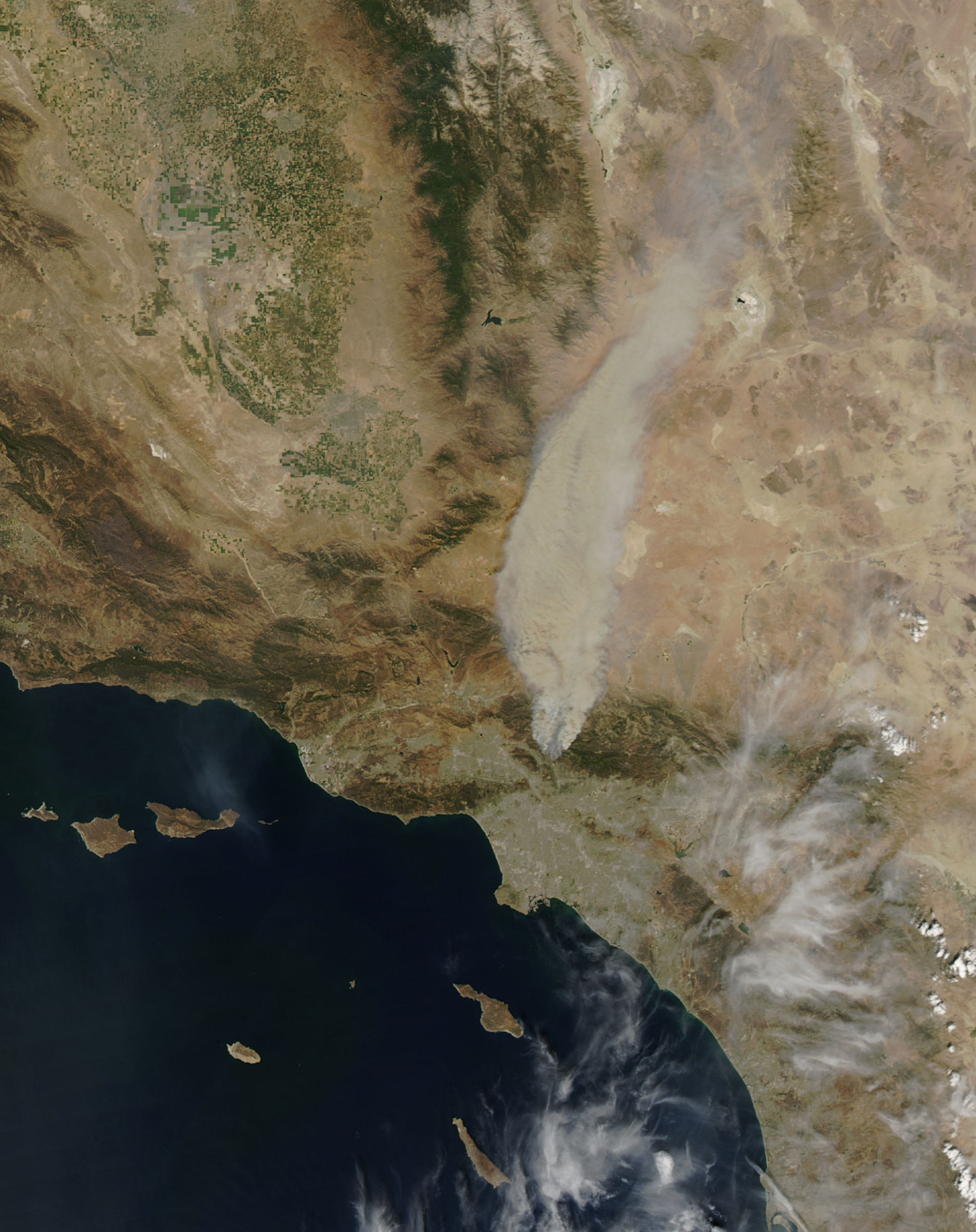
9,159 wildfires were active in the US state of California during 2009. The fires burned more than 422,147 acres (660 mi2; 1,708 km2) of land from early February through late November, due to Red Flag conditions, destroying hundreds of structures, injuring 134 people, and killing four. The wildfires also caused at least US$134.48 million in damage. Although the fires burned many different regions of California in August, the month was especially notable for several very large fires which burned in Southern California, despite being outside of the normal fire season for that region.
The Station Fire, north of Los Angeles, was the largest and deadliest of these wildfires. It began in late August, and resulted in the devastation of 160,577 acres (251 mi2; 650 km2) of land as well as the death of two firefighters. Another large fire was the La Brea Fire, which burned nearly 90,000 acres (141 mi2; 364 km2) in Santa Barbara County earlier in the month. A state of emergency was also declared for the 7,800-acre (12 mi2; 32 km2) Lockheed Fire in Santa Cruz County, to the north.
The timing of "fire season" in California is variable, depending on the amount of prior winter and spring precipitation, the frequency and severity of weather such as heat waves and wind events, and moisture content in vegetation. Northern California typically sees wildfire activity between late spring and early fall, peaking in the summer with hotter and drier conditions. Occasional cold frontal passages can bring wind and lightning. The timing of fire season in Southern California is similar, peaking between late spring and fall. The severity and duration of peak activity in either part of the state is modulated in part by weather events: downslope/offshore wind events can lead to critical fire weather, while onshore flow and Pacific weather systems can bring conditions that hamper wildfire growth.
Below is a list of all fires that exceeded 1,000 acres (4.0 km2) during the 2009 fire season. The list is taken from CAL FIRE's list of large fires.
Invasive, non-native vegetation dies and re-sprouts year after year creating an unnatural buildup of dead plant material. While periodic fires are natural, and many native plants depend upon fire to reproduce; the intensity and frequency of these fires is altered by the presence of non-natives.
In Southern California, the normal wildfire season begins in October, with the arrival of the infamous Santa Ana winds, and it is unusual to see fires spread so rapidly during other times of year. However, temperatures throughout the southern part of the state exceeded 100 °F (38 °C) for much of late August. The combination of high temperatures, low humidity and a large quantity of tinder-dry fuel, some of which had not burnt for decades, allowed some of the normal fires to quickly explode out of control despite the lack of winds to spread the flames. These conditions, along with extreme terrain in many undeveloped areas that slowed access to burn areas, made firefighting difficult.
Dozens of fires burned throughout California in August 2009. Some of the most notable are listed here.
2009 California wildfires
9,159 wildfires were active in the US state of California during 2009. The fires burned more than 422,147 acres (660 mi2; 1,708 km2) of land from early February through late November, due to Red Flag conditions, destroying hundreds of structures, injuring 134 people, and killing four. The wildfires also caused at least US$134.48 million in damage. Although the fires burned many different regions of California in August, the month was especially notable for several very large fires which burned in Southern California, despite being outside of the normal fire season for that region.
The Station Fire, north of Los Angeles, was the largest and deadliest of these wildfires. It began in late August, and resulted in the devastation of 160,577 acres (251 mi2; 650 km2) of land as well as the death of two firefighters. Another large fire was the La Brea Fire, which burned nearly 90,000 acres (141 mi2; 364 km2) in Santa Barbara County earlier in the month. A state of emergency was also declared for the 7,800-acre (12 mi2; 32 km2) Lockheed Fire in Santa Cruz County, to the north.
The timing of "fire season" in California is variable, depending on the amount of prior winter and spring precipitation, the frequency and severity of weather such as heat waves and wind events, and moisture content in vegetation. Northern California typically sees wildfire activity between late spring and early fall, peaking in the summer with hotter and drier conditions. Occasional cold frontal passages can bring wind and lightning. The timing of fire season in Southern California is similar, peaking between late spring and fall. The severity and duration of peak activity in either part of the state is modulated in part by weather events: downslope/offshore wind events can lead to critical fire weather, while onshore flow and Pacific weather systems can bring conditions that hamper wildfire growth.
Below is a list of all fires that exceeded 1,000 acres (4.0 km2) during the 2009 fire season. The list is taken from CAL FIRE's list of large fires.
Invasive, non-native vegetation dies and re-sprouts year after year creating an unnatural buildup of dead plant material. While periodic fires are natural, and many native plants depend upon fire to reproduce; the intensity and frequency of these fires is altered by the presence of non-natives.
In Southern California, the normal wildfire season begins in October, with the arrival of the infamous Santa Ana winds, and it is unusual to see fires spread so rapidly during other times of year. However, temperatures throughout the southern part of the state exceeded 100 °F (38 °C) for much of late August. The combination of high temperatures, low humidity and a large quantity of tinder-dry fuel, some of which had not burnt for decades, allowed some of the normal fires to quickly explode out of control despite the lack of winds to spread the flames. These conditions, along with extreme terrain in many undeveloped areas that slowed access to burn areas, made firefighting difficult.
Dozens of fires burned throughout California in August 2009. Some of the most notable are listed here.
Recent media
Recent media