


Community hub
Recent from talks
Contribute something to knowledge base
Content stats: 0 posts, 0 articles, 1 media, 0 notes
Members stats: 0 subscribers, 0 contributors, 0 moderators, 0 supporters
Subscribers
Supporters
Contributors
Moderators
Hub AI
442nd Fighter Wing AI simulator
(@442nd Fighter Wing_simulator)
Hub AI
442nd Fighter Wing AI simulator
(@442nd Fighter Wing_simulator)
442nd Fighter Wing
The 442d Fighter Wing is an Air Reserve Component of the United States Air Force. It is assigned to Tenth Air Force, Air Force Reserve Command, stationed at Whiteman Air Force Base, Missouri.
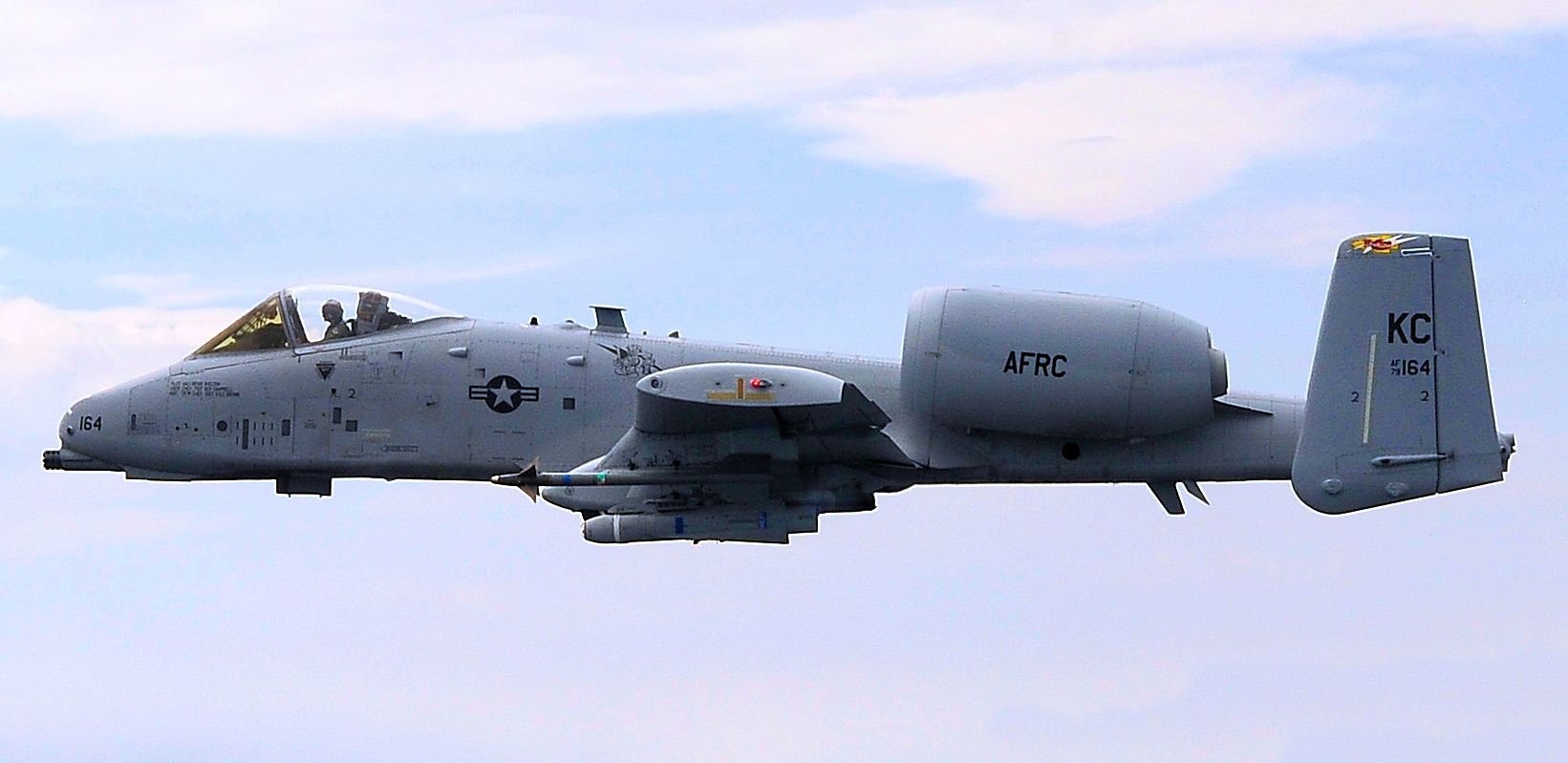
The 442d Fighter Wing trains reserve personnel and the 303rd Fighter Squadron to operate, maintain and support the Fairchild Republic A-10 Thunderbolt II at combat readiness.
The 442nd Fighter Wing is organized like most Air Force wings. There are three groups and a medical squadron under the wing that are physically located at Whiteman AFB:
The wing was first activated as the 442d Troop Carrier Wing at Fairfax Field, Kansas in June 1949, when Continental Air Command (ConAC) reorganized its flying units under the wing base organization system, which united the flying units and supporting units under a single wing. The wing was equipped with Curtiss C-46 Commandos and Douglas C-47 Skytrains, but also flew trainer aircraft under the supervision of the 2472d Air Force Reserve Training Center. In May 1950 the wing and center moved to nearby Naval Air Station Olathe, Kansas. Although the 442d was manned at only 25% of normal strength, its combat group was authorized four squadrons rather than the three of active duty units.
The 442d was mobilized for the Korean War, as were all reserve combat units. This action was effective on 10 March 1951. Along with other Tenth Air Force units, it was activated in the second wave of reserve units being called up. Its personnel were distributed as fillers to other organizations, with Strategic Air Command getting first pick of these mobilizees. The unit's aircraft were distributed to other organizations as well, and the wing was inactivated two days after its call-up.
The 442d was once again activated at Olathe in June 1952, when it absorbed the resources of the 926th Reserve Training Wing, which was simultaneously inactivated. The reserve mobilization for the Korean war, however, had left the Reserve without aircraft, and the unit did not receive aircraft until July 1952.
In 1955, the Air Force reserve presence at Olathe ended when the wing moved to Grandview Air Force Base, Missouri, which had opened as an Air Defense Command base, with the first active duty units moving there in 1954. The wing move occurred in the same year that the Air Force began detaching Air Force Reserve squadrons from their parent wing locations to separate sites. The concept offered several advantages: communities were more likely to accept the smaller squadrons than the large wings and the location of separate squadrons in smaller population centers would facilitate recruiting and manning. As it finally evolved in the spring of 1955, the Continental Air Command's plan called for placing Air Force Reserve units at fifty-nine installations located throughout the United States. The wing was not impacted by this reorganization until November 1957. At that time, its 305th Troop Carrier Squadron, which had been inactivated in June 1955, was activated at Tinker Air Force Base, Oklahoma to replace the 69th Troop Carrier Squadron, which had moved there earlier.
At the same time, the Joint Chiefs of Staff had been pressuring the Air Force to provide more wartime airlift and about 150 Fairchild C-119 Flying Boxcars became available from the active force. Consequently, in November 1956 the Air Force directed Continental Air Command to convert three fighter bomber wings to the troop carrier mission, while cuts in the budget in 1957 led to a reduction in the number of reserve squadrons from 55 to 45. This included the inactivation of reserve fighter bomber units. The wing gained the 65th Troop Carrier Squadron at Davis Field, when it was activated to replace the 713th Fighter-Bomber Squadron in November 1957.
442nd Fighter Wing
The 442d Fighter Wing is an Air Reserve Component of the United States Air Force. It is assigned to Tenth Air Force, Air Force Reserve Command, stationed at Whiteman Air Force Base, Missouri.
The 442d Fighter Wing trains reserve personnel and the 303rd Fighter Squadron to operate, maintain and support the Fairchild Republic A-10 Thunderbolt II at combat readiness.
The 442nd Fighter Wing is organized like most Air Force wings. There are three groups and a medical squadron under the wing that are physically located at Whiteman AFB:
The wing was first activated as the 442d Troop Carrier Wing at Fairfax Field, Kansas in June 1949, when Continental Air Command (ConAC) reorganized its flying units under the wing base organization system, which united the flying units and supporting units under a single wing. The wing was equipped with Curtiss C-46 Commandos and Douglas C-47 Skytrains, but also flew trainer aircraft under the supervision of the 2472d Air Force Reserve Training Center. In May 1950 the wing and center moved to nearby Naval Air Station Olathe, Kansas. Although the 442d was manned at only 25% of normal strength, its combat group was authorized four squadrons rather than the three of active duty units.
The 442d was mobilized for the Korean War, as were all reserve combat units. This action was effective on 10 March 1951. Along with other Tenth Air Force units, it was activated in the second wave of reserve units being called up. Its personnel were distributed as fillers to other organizations, with Strategic Air Command getting first pick of these mobilizees. The unit's aircraft were distributed to other organizations as well, and the wing was inactivated two days after its call-up.
The 442d was once again activated at Olathe in June 1952, when it absorbed the resources of the 926th Reserve Training Wing, which was simultaneously inactivated. The reserve mobilization for the Korean war, however, had left the Reserve without aircraft, and the unit did not receive aircraft until July 1952.
In 1955, the Air Force reserve presence at Olathe ended when the wing moved to Grandview Air Force Base, Missouri, which had opened as an Air Defense Command base, with the first active duty units moving there in 1954. The wing move occurred in the same year that the Air Force began detaching Air Force Reserve squadrons from their parent wing locations to separate sites. The concept offered several advantages: communities were more likely to accept the smaller squadrons than the large wings and the location of separate squadrons in smaller population centers would facilitate recruiting and manning. As it finally evolved in the spring of 1955, the Continental Air Command's plan called for placing Air Force Reserve units at fifty-nine installations located throughout the United States. The wing was not impacted by this reorganization until November 1957. At that time, its 305th Troop Carrier Squadron, which had been inactivated in June 1955, was activated at Tinker Air Force Base, Oklahoma to replace the 69th Troop Carrier Squadron, which had moved there earlier.
At the same time, the Joint Chiefs of Staff had been pressuring the Air Force to provide more wartime airlift and about 150 Fairchild C-119 Flying Boxcars became available from the active force. Consequently, in November 1956 the Air Force directed Continental Air Command to convert three fighter bomber wings to the troop carrier mission, while cuts in the budget in 1957 led to a reduction in the number of reserve squadrons from 55 to 45. This included the inactivation of reserve fighter bomber units. The wing gained the 65th Troop Carrier Squadron at Davis Field, when it was activated to replace the 713th Fighter-Bomber Squadron in November 1957.
Recent media
Recent media