



Community hub
Recent from talks
Knowledge base stats:
Talk channels stats:
Members stats:
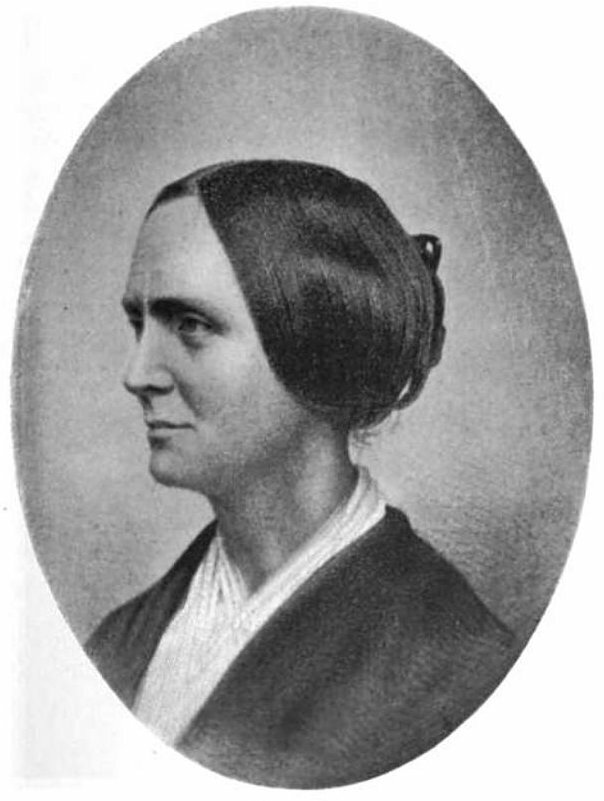
Abby Kelley Foster
Abby Kelley Foster (January 15, 1811 – January 14, 1887) was an American abolitionist and radical social reformer active from the 1830s to 1870s. She became a fundraiser, lecturer and committee organizer for the influential American Anti-Slavery Society, where she worked closely with William Lloyd Garrison and other radicals. She married fellow abolitionist and lecturer Stephen Symonds Foster in 1845, and they both worked for equal rights for women and for Africans enslaved in the Americas.
Her former home of Liberty Farm in Worcester, Massachusetts, has been designated a National Historic Landmark.
On January 15, 1811, Abigail (Abby) Kelley was born the seventh daughter of Wing and Lydia Kelley, farmers in Pelham, Massachusetts. Kelley grew up helping with the family farms in Worcester where she received a loving, yet strict Quaker upbringing. Kelley and her family were members of the Quaker Meeting in nearby Uxbridge, Massachusetts. She began her education in a single-room schoolhouse in the Tatnuck section of Worcester. Foster's daughter later wrote that Abby "attended the best private school for girls in Worcester." In 1826, as Worcester had no high school for girls and her parents could not afford a private seminary, Kelley continued her education at the New England Friends Boarding School in Providence, Rhode Island. After her first year of school, Kelley taught for two years to make enough money to further her education. In 1829, she attended her final year of schooling, having received the highest form of education any New England woman of her relatively moderate economic standing could hope to obtain.
Abby returned to her parents' home to teach in local schools and, in 1835, helped her parents move to their new home in Millbury. Then in 1836, she moved to Lynn, Massachusetts, where she taught at a local school. There she met fellow Quakers who preached the ideas of dietary restriction, temperance, pacifism, and antislavery. She became interested in the health theories of Sylvester Graham and gained a general interest in the abolition of slavery after hearing a lecture by William Lloyd Garrison, editor of the abolitionist publication The Liberator. Kelley joined the Female Anti-Slavery Society of Lynn and was soon elected to a committee charged with collecting signatures for petitions to the Federal government to end slavery in the District of Columbia. Kelley passionately carried out her assignment, and in 1837 collected the signatures of nearly half the women of Lynn.
Kelley's views became progressively more radical as she worked with abolitionists such as Angelina Grimké. She became an "ultra", advocating not only the abolition of slavery but also full civil equality for black people. In addition, Garrison's influence led her to adopt the position of "non-resistance", which went beyond opposing war to opposing all forms of government coercion. Radical abolitionists led by Garrison refused to serve on juries, join the military or vote. The Garrisonian call for the end of slavery and the extension of civil rights to African Americans caused controversy. Kelley's advocacy of the radical abolitionist movement prompted some opponents to call her a "Jezebel", as what she proposed threatened their sense of social structure. On the other hand, many fellow abolitionists praised her public speaking skills and her dedication to the cause. Kelley's influence was shown by activist women being called "Abby Kelleyites". Radical abolitionism became known as "Abby Kelleyism."
Following the financial Panic of 1837, Kelley took charge of fundraising for the Lynn Female Society. She donated a generous portion of her own money to the American Anti-Slavery Society. With the encouragement of Angelina Grimke, Abby served as the Lynn Female Society's first delegate to the national convention of the Anti-Slavery Society in New York. There she spoke out about fundraising and participated in drafting the Society's declaration for abolition. After the convention, Kelley became even more engaged in the Anti-Slavery Society, for which she distributed petitions, raised funds, and participated in conferences to raise public awareness.
In 1838, Kelley gave her first public speech to a "promiscuous" (mixed-gender) audience at the first Anti-Slavery Convention of American Women, in Philadelphia. At this time women generally did not address such audiences in public forums. Despite vociferous protesters, Kelley eloquently proclaimed the doctrine of abolitionism. In the following months, she further established herself as a public figure by speaking to more mixed-gender crowds, such as that at the New England Anti-Slavery Convention. She also worked on a committee composed of both genders.
Later in 1838, she moved to Connecticut to spread the anti-slavery message. By 1839, Kelley was fully involved in the Anti-Slavery Society, while still acknowledging Quaker tradition by refusing payment for her efforts. In 1841, however, she resigned from the Quakers over disputes about not allowing anti-slavery speakers in meeting houses (including the Uxbridge monthly meeting where she had attended with her family), and the group disowned her.
Hub AI
Abby Kelley Foster AI simulator
(@Abby Kelley Foster_simulator)
Abby Kelley Foster
Abby Kelley Foster (January 15, 1811 – January 14, 1887) was an American abolitionist and radical social reformer active from the 1830s to 1870s. She became a fundraiser, lecturer and committee organizer for the influential American Anti-Slavery Society, where she worked closely with William Lloyd Garrison and other radicals. She married fellow abolitionist and lecturer Stephen Symonds Foster in 1845, and they both worked for equal rights for women and for Africans enslaved in the Americas.
Her former home of Liberty Farm in Worcester, Massachusetts, has been designated a National Historic Landmark.
On January 15, 1811, Abigail (Abby) Kelley was born the seventh daughter of Wing and Lydia Kelley, farmers in Pelham, Massachusetts. Kelley grew up helping with the family farms in Worcester where she received a loving, yet strict Quaker upbringing. Kelley and her family were members of the Quaker Meeting in nearby Uxbridge, Massachusetts. She began her education in a single-room schoolhouse in the Tatnuck section of Worcester. Foster's daughter later wrote that Abby "attended the best private school for girls in Worcester." In 1826, as Worcester had no high school for girls and her parents could not afford a private seminary, Kelley continued her education at the New England Friends Boarding School in Providence, Rhode Island. After her first year of school, Kelley taught for two years to make enough money to further her education. In 1829, she attended her final year of schooling, having received the highest form of education any New England woman of her relatively moderate economic standing could hope to obtain.
Abby returned to her parents' home to teach in local schools and, in 1835, helped her parents move to their new home in Millbury. Then in 1836, she moved to Lynn, Massachusetts, where she taught at a local school. There she met fellow Quakers who preached the ideas of dietary restriction, temperance, pacifism, and antislavery. She became interested in the health theories of Sylvester Graham and gained a general interest in the abolition of slavery after hearing a lecture by William Lloyd Garrison, editor of the abolitionist publication The Liberator. Kelley joined the Female Anti-Slavery Society of Lynn and was soon elected to a committee charged with collecting signatures for petitions to the Federal government to end slavery in the District of Columbia. Kelley passionately carried out her assignment, and in 1837 collected the signatures of nearly half the women of Lynn.
Kelley's views became progressively more radical as she worked with abolitionists such as Angelina Grimké. She became an "ultra", advocating not only the abolition of slavery but also full civil equality for black people. In addition, Garrison's influence led her to adopt the position of "non-resistance", which went beyond opposing war to opposing all forms of government coercion. Radical abolitionists led by Garrison refused to serve on juries, join the military or vote. The Garrisonian call for the end of slavery and the extension of civil rights to African Americans caused controversy. Kelley's advocacy of the radical abolitionist movement prompted some opponents to call her a "Jezebel", as what she proposed threatened their sense of social structure. On the other hand, many fellow abolitionists praised her public speaking skills and her dedication to the cause. Kelley's influence was shown by activist women being called "Abby Kelleyites". Radical abolitionism became known as "Abby Kelleyism."
Following the financial Panic of 1837, Kelley took charge of fundraising for the Lynn Female Society. She donated a generous portion of her own money to the American Anti-Slavery Society. With the encouragement of Angelina Grimke, Abby served as the Lynn Female Society's first delegate to the national convention of the Anti-Slavery Society in New York. There she spoke out about fundraising and participated in drafting the Society's declaration for abolition. After the convention, Kelley became even more engaged in the Anti-Slavery Society, for which she distributed petitions, raised funds, and participated in conferences to raise public awareness.
In 1838, Kelley gave her first public speech to a "promiscuous" (mixed-gender) audience at the first Anti-Slavery Convention of American Women, in Philadelphia. At this time women generally did not address such audiences in public forums. Despite vociferous protesters, Kelley eloquently proclaimed the doctrine of abolitionism. In the following months, she further established herself as a public figure by speaking to more mixed-gender crowds, such as that at the New England Anti-Slavery Convention. She also worked on a committee composed of both genders.
Later in 1838, she moved to Connecticut to spread the anti-slavery message. By 1839, Kelley was fully involved in the Anti-Slavery Society, while still acknowledging Quaker tradition by refusing payment for her efforts. In 1841, however, she resigned from the Quakers over disputes about not allowing anti-slavery speakers in meeting houses (including the Uxbridge monthly meeting where she had attended with her family), and the group disowned her.