
Recent from talks
Abgaal
Knowledge base stats:
Talk channels stats:
Members stats:
Abgaal
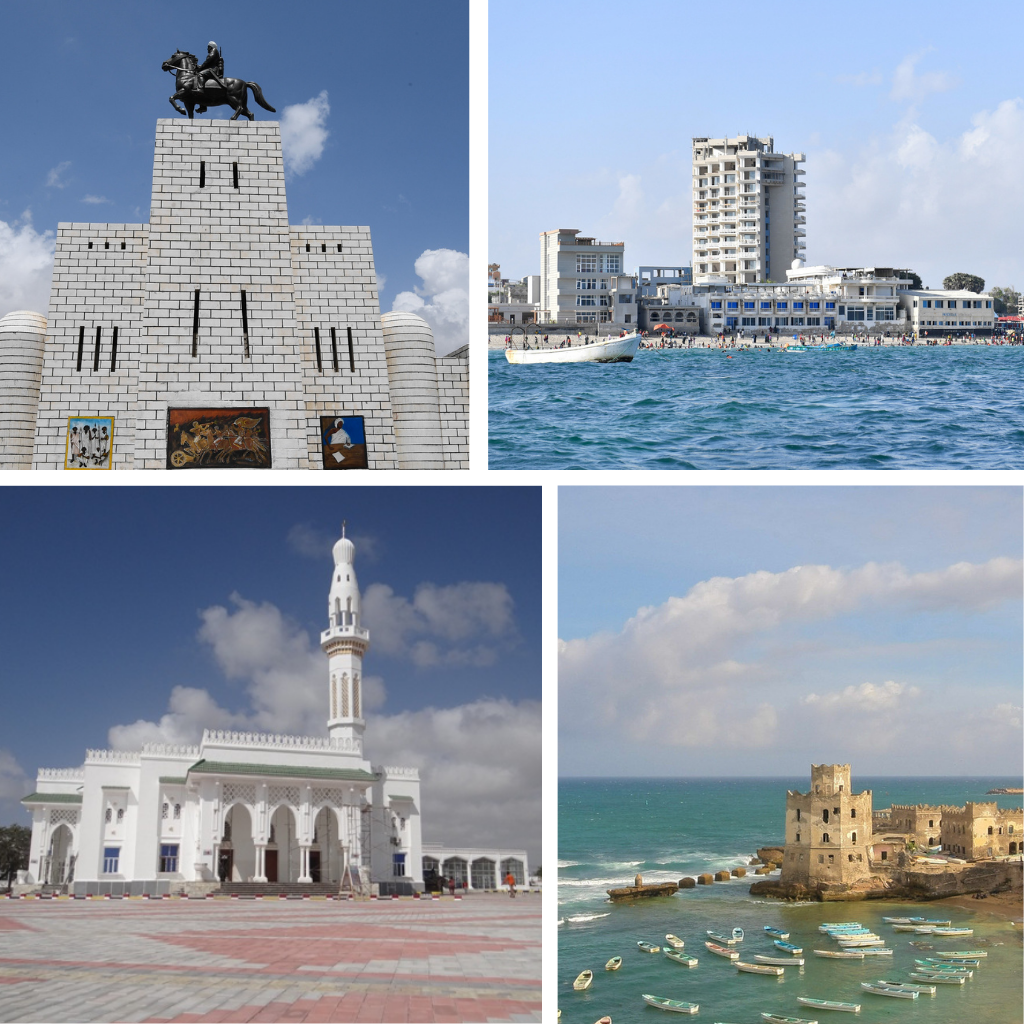
The Abgaal (Somali: Abgaal; Arabic: أبگال) are a Somali sub-clan of the Hawiye and the even larger Samaale clan. This prominent Somali clan, despite being one of the youngest in Somalia, is one of the most significant in the nation's history and has given rise to many notable figures, including three presidents, including the current one as well as the founding father of the Somali military. Their stronghold is the capital city of Somalia, Mogadishu, where they are known to be the earliest inhabitants and they currently constitute the majority of the population there.
The Abgaal are part of the Mudulood and the even larger Hiraab clan. The Hiraab consists of the Mudulood, Habar Gidir, Sheekhaal and Duduble. Besides the Abgaal, Mudulood includes Wacdaan, Moobleen, Hiilibi and Udeejeen. The Imam of both the Mudulood and Hiraab traditionally hails from the Abgaal. Currently Imam Mohamed Yusuf is the Imam of the Mudulood and also carries the dual position as Imam of the Hiraab.
The Italian scholar of Somali and Ethiopian studies Enrico Cerulli, studies discusses the origin story of the name Abgaal in his book How a Hawiye tribe used to live. Abgaal's father was Osman Darandolle of the Hiraab sub-section of the Hawiye. His mother was Faduma Sarjeele, of the house of Gareen, part of the Ajuran clan which headed the Ajuran Sultanate in which her household was part of.
The mother of Hirabä was Faduma Karanlä. The mother of Abgal was Faduma Sargellä, who was an Aguran. She was espoused by 'Isman Darandollä. By him she had a son, who was called by the name 'Ali 'Isman. Later one went to Sargellä Garën. A learned old man went to him. He said: 'O noble Sargellä, I saw in the books that the children of the boy born to your daughter Faduma will chase your children from the earth. I saw it in the books.' 'Did you see these things?’ 'Yes, I saw them,’ he answered. 'So be it!’ the noble Sargellä replied; and into his heart came the thought: 'Rather than that your children, whom you have begotten, be killed, the son of your daughter might rather die!’ This came into his heart. After this he prepared two different amulets, one good and one bad. The bad one would kill the one who drank it. The good one would protect from any evil of this world. Then he went to his daughter. 'My Faduma, I am bringing you these two amulets: this one here – and it was the good one – you drink; and the other one – and it was the bad one – give to your son 'Ali 'Isman!’ The girl took the two amulets; but when it came to drinking them, she made a mistake! Faduma Sargellä drank the bad one and died immediately. 'Ali 'Ismän drank the good one and survived. Sargellä went back to the hut and saw his daughter dead. And the boy, when he heard his grandfather arrive, ran to the side of a saddle camel and hid behind it. 'Oh 'Ali, oh 'Ali! Come! I am your grandfather!’ Sargellä cried out, looking for the boy. 'You are not my grandfather ( abkäy ), my grandfather is the camels.' The camels ( gel ) in the language of one time were called gal. So afterwards he ('Ali 'Isman) had the name of Ab-gal ('Camel-grandfather')." The tradition substantially recalls the ancient fights between the Abgal, nomadic pastoralists who from places farther north tried to open a way to the river, and the Aguran, who dominated the region of the Middle Webi. This historical content, of course, has been adapted in popular dress with the theme, so widespread in the folklore of quite different peoples, of the prediction of the unborn child destined to drive the reigning prince from the throne. 'In this tradition Abgal has, besides his Somali name, which is explained, also a Mussulman name, 'Ali 'Isman. It does not seem necessary to me to suppose that the name 'Ali replaced the Somali one of Abgal in the genealogies in order to make them more Islamized, as one might say. The custom of several names for one single person, among which names, for the Mussulmans, are found an Arab one and one (or more) in the local language, is common in East Africa, even now.'
The Mogadishu region has a rich historical background, thought to encompass the site of the Sarapion port city, which engaged in trade with the Greeks during the 1st century AD. This assertion is strengthened by archaeological findings and written records. By the thirteenth century, Ibn Sa'id described Mogadishu, Merca and Barawa located in the Benadir coast had become Islamic and commercial centers in the Indian Ocean. He said the local people in the Benadir coast and the interior were predominantly inhabited by Somalis with a minority of Arab, Persian and Indian merchants living in the coastal towns. These Somalis are assumed to be the Hawiye clan, particularly the Gorgarte sub-clan.
As the Abgaal are a relatively young clan, with their founder dating from the 1500s, they can be considered one of the earliest known clans in the Benadir coast. Mogadishu is the traditional territory of the Reer Mataan sub-clan of the Abgaal today. The earliest history of Abgaal in Mogadishu is thought to be from the sixteenth century.
For example, clan traditions indicate that the Abgaal Darandoolle (a section of the Hawwiyya clan family) began to arrive in the hinterland of Mogadishu while the Muzaffar dynasty was ruling that town, sometime in the sixteenth century. Manuscripts from Mogadishu record around the same time the appearance of Abgaal nomads in the immediate interior, and shortly thereafter Somali (Abgaal) names began to appear in the previously Arab and Persian-dominated genealogies of the town's leading families.
From that time onwards, Abgaal nomads circled the town and sub-clans moved into the traditional quarters of the Hamarweyne district in the city.
Hub AI
Abgaal AI simulator
(@Abgaal_simulator)
Abgaal
The Abgaal (Somali: Abgaal; Arabic: أبگال) are a Somali sub-clan of the Hawiye and the even larger Samaale clan. This prominent Somali clan, despite being one of the youngest in Somalia, is one of the most significant in the nation's history and has given rise to many notable figures, including three presidents, including the current one as well as the founding father of the Somali military. Their stronghold is the capital city of Somalia, Mogadishu, where they are known to be the earliest inhabitants and they currently constitute the majority of the population there.
The Abgaal are part of the Mudulood and the even larger Hiraab clan. The Hiraab consists of the Mudulood, Habar Gidir, Sheekhaal and Duduble. Besides the Abgaal, Mudulood includes Wacdaan, Moobleen, Hiilibi and Udeejeen. The Imam of both the Mudulood and Hiraab traditionally hails from the Abgaal. Currently Imam Mohamed Yusuf is the Imam of the Mudulood and also carries the dual position as Imam of the Hiraab.
The Italian scholar of Somali and Ethiopian studies Enrico Cerulli, studies discusses the origin story of the name Abgaal in his book How a Hawiye tribe used to live. Abgaal's father was Osman Darandolle of the Hiraab sub-section of the Hawiye. His mother was Faduma Sarjeele, of the house of Gareen, part of the Ajuran clan which headed the Ajuran Sultanate in which her household was part of.
The mother of Hirabä was Faduma Karanlä. The mother of Abgal was Faduma Sargellä, who was an Aguran. She was espoused by 'Isman Darandollä. By him she had a son, who was called by the name 'Ali 'Isman. Later one went to Sargellä Garën. A learned old man went to him. He said: 'O noble Sargellä, I saw in the books that the children of the boy born to your daughter Faduma will chase your children from the earth. I saw it in the books.' 'Did you see these things?’ 'Yes, I saw them,’ he answered. 'So be it!’ the noble Sargellä replied; and into his heart came the thought: 'Rather than that your children, whom you have begotten, be killed, the son of your daughter might rather die!’ This came into his heart. After this he prepared two different amulets, one good and one bad. The bad one would kill the one who drank it. The good one would protect from any evil of this world. Then he went to his daughter. 'My Faduma, I am bringing you these two amulets: this one here – and it was the good one – you drink; and the other one – and it was the bad one – give to your son 'Ali 'Isman!’ The girl took the two amulets; but when it came to drinking them, she made a mistake! Faduma Sargellä drank the bad one and died immediately. 'Ali 'Ismän drank the good one and survived. Sargellä went back to the hut and saw his daughter dead. And the boy, when he heard his grandfather arrive, ran to the side of a saddle camel and hid behind it. 'Oh 'Ali, oh 'Ali! Come! I am your grandfather!’ Sargellä cried out, looking for the boy. 'You are not my grandfather ( abkäy ), my grandfather is the camels.' The camels ( gel ) in the language of one time were called gal. So afterwards he ('Ali 'Isman) had the name of Ab-gal ('Camel-grandfather')." The tradition substantially recalls the ancient fights between the Abgal, nomadic pastoralists who from places farther north tried to open a way to the river, and the Aguran, who dominated the region of the Middle Webi. This historical content, of course, has been adapted in popular dress with the theme, so widespread in the folklore of quite different peoples, of the prediction of the unborn child destined to drive the reigning prince from the throne. 'In this tradition Abgal has, besides his Somali name, which is explained, also a Mussulman name, 'Ali 'Isman. It does not seem necessary to me to suppose that the name 'Ali replaced the Somali one of Abgal in the genealogies in order to make them more Islamized, as one might say. The custom of several names for one single person, among which names, for the Mussulmans, are found an Arab one and one (or more) in the local language, is common in East Africa, even now.'
The Mogadishu region has a rich historical background, thought to encompass the site of the Sarapion port city, which engaged in trade with the Greeks during the 1st century AD. This assertion is strengthened by archaeological findings and written records. By the thirteenth century, Ibn Sa'id described Mogadishu, Merca and Barawa located in the Benadir coast had become Islamic and commercial centers in the Indian Ocean. He said the local people in the Benadir coast and the interior were predominantly inhabited by Somalis with a minority of Arab, Persian and Indian merchants living in the coastal towns. These Somalis are assumed to be the Hawiye clan, particularly the Gorgarte sub-clan.
As the Abgaal are a relatively young clan, with their founder dating from the 1500s, they can be considered one of the earliest known clans in the Benadir coast. Mogadishu is the traditional territory of the Reer Mataan sub-clan of the Abgaal today. The earliest history of Abgaal in Mogadishu is thought to be from the sixteenth century.
For example, clan traditions indicate that the Abgaal Darandoolle (a section of the Hawwiyya clan family) began to arrive in the hinterland of Mogadishu while the Muzaffar dynasty was ruling that town, sometime in the sixteenth century. Manuscripts from Mogadishu record around the same time the appearance of Abgaal nomads in the immediate interior, and shortly thereafter Somali (Abgaal) names began to appear in the previously Arab and Persian-dominated genealogies of the town's leading families.
From that time onwards, Abgaal nomads circled the town and sub-clans moved into the traditional quarters of the Hamarweyne district in the city.
Recent media