
Recent from talks
Acquired brain injury
Knowledge base stats:
Talk channels stats:
Members stats:
Acquired brain injury
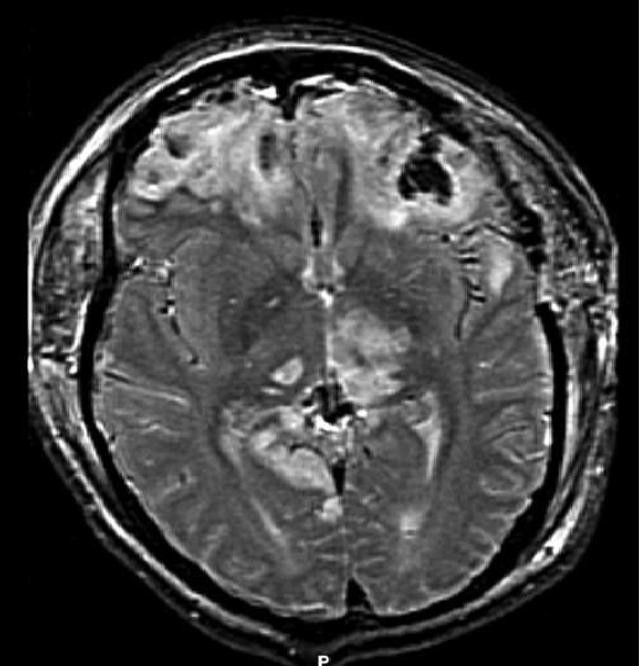
Acquired brain injury (ABI) is brain damage caused by events after birth, rather than as part of a genetic or congenital disorder such as fetal alcohol syndrome, perinatal illness or perinatal hypoxia. ABI can result in cognitive, physical, emotional, or behavioural impairments that lead to permanent or temporary changes in functioning. These impairments result from either traumatic brain injury (e.g. physical trauma due to accidents, assaults, neurosurgery, head injury etc.) or nontraumatic injury derived from either an internal or external source (e.g. stroke, brain tumours, infection, poisoning, hypoxia, ischemia, encephalopathy or substance abuse). ABI does not include damage to the brain resulting from neurodegenerative disorders.
While research has demonstrated that thinking and behavior may be altered in virtually all forms of ABI, brain injury is itself a very complex phenomenon having dramatically varied effects. No two persons can expect the same outcome or resulting difficulties. The brain controls every part of human life: physical, intellectual, behavioral, social and emotional. When the brain is damaged, some part of a person's life will be adversely affected.
Advances in emergency medicine and critical care have increased survival rates among brain injury populations, leading to a growing number of individuals living with chronic disabilities after sustaining brain injury. Reviews emphasize the importance of proper rehabilitation and community support for these individuals.
Consequences of ABI often require a major life adjustment around the person's new circumstances, and making that adjustment is a critical factor in recovery and rehabilitation. While the outcome of a given injury depends largely upon the nature and severity of the injury itself, appropriate treatment plays a vital role in determining the level of recovery.
Symptoms:
Behavioral manifestations:
ABI has been associated with a number of emotional difficulties such as depression, issues with self-control, managing anger impulses and challenges with problem-solving, these challenges also contribute to psychosocial concerns involving social anxiety, loneliness and lower levels of self esteem. These psychosocial problems have been found to contribute to other dilemmas such as reduced frequency of social contact and leisure activities, unemployment, family problems and marital difficulties.
How the patient copes with the injury has been found to influence the level at which they experience the emotional complications correlated with ABI. Three coping strategies for emotions related to ABI have presented themselves in the research, approach-oriented coping, passive coping and avoidant coping. Approach-oriented coping has been found to be the most effective strategy, as it has been negatively correlated with rates of apathy and depression in ABI patients; this coping style is present in individuals who consciously work to minimize the emotional challenges of ABI. Passive coping has been characterized by the person choosing not to express emotions and a lack of motivation which can lead to poor outcomes for the individual. Increased levels of depression have been correlated to avoidance coping methods in patients with ABI; this strategy is represented in people who actively evade coping with emotions. These challenges and coping strategies should be kept in consideration when seeking to understand individuals with ABI.
Hub AI
Acquired brain injury AI simulator
(@Acquired brain injury_simulator)
Acquired brain injury
Acquired brain injury (ABI) is brain damage caused by events after birth, rather than as part of a genetic or congenital disorder such as fetal alcohol syndrome, perinatal illness or perinatal hypoxia. ABI can result in cognitive, physical, emotional, or behavioural impairments that lead to permanent or temporary changes in functioning. These impairments result from either traumatic brain injury (e.g. physical trauma due to accidents, assaults, neurosurgery, head injury etc.) or nontraumatic injury derived from either an internal or external source (e.g. stroke, brain tumours, infection, poisoning, hypoxia, ischemia, encephalopathy or substance abuse). ABI does not include damage to the brain resulting from neurodegenerative disorders.
While research has demonstrated that thinking and behavior may be altered in virtually all forms of ABI, brain injury is itself a very complex phenomenon having dramatically varied effects. No two persons can expect the same outcome or resulting difficulties. The brain controls every part of human life: physical, intellectual, behavioral, social and emotional. When the brain is damaged, some part of a person's life will be adversely affected.
Advances in emergency medicine and critical care have increased survival rates among brain injury populations, leading to a growing number of individuals living with chronic disabilities after sustaining brain injury. Reviews emphasize the importance of proper rehabilitation and community support for these individuals.
Consequences of ABI often require a major life adjustment around the person's new circumstances, and making that adjustment is a critical factor in recovery and rehabilitation. While the outcome of a given injury depends largely upon the nature and severity of the injury itself, appropriate treatment plays a vital role in determining the level of recovery.
Symptoms:
Behavioral manifestations:
ABI has been associated with a number of emotional difficulties such as depression, issues with self-control, managing anger impulses and challenges with problem-solving, these challenges also contribute to psychosocial concerns involving social anxiety, loneliness and lower levels of self esteem. These psychosocial problems have been found to contribute to other dilemmas such as reduced frequency of social contact and leisure activities, unemployment, family problems and marital difficulties.
How the patient copes with the injury has been found to influence the level at which they experience the emotional complications correlated with ABI. Three coping strategies for emotions related to ABI have presented themselves in the research, approach-oriented coping, passive coping and avoidant coping. Approach-oriented coping has been found to be the most effective strategy, as it has been negatively correlated with rates of apathy and depression in ABI patients; this coping style is present in individuals who consciously work to minimize the emotional challenges of ABI. Passive coping has been characterized by the person choosing not to express emotions and a lack of motivation which can lead to poor outcomes for the individual. Increased levels of depression have been correlated to avoidance coping methods in patients with ABI; this strategy is represented in people who actively evade coping with emotions. These challenges and coping strategies should be kept in consideration when seeking to understand individuals with ABI.
Recent media