



Community hub
Recent from talks
Knowledge base stats:
Talk channels stats:
Members stats:
Adrenal insufficiency
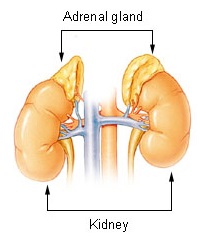
Adrenal insufficiency is a condition in which the adrenal glands do not produce adequate amounts of steroid hormones. The adrenal glands—also referred to as the adrenal cortex—normally secrete glucocorticoids (primarily cortisol), mineralocorticoids (primarily aldosterone), and androgens. These hormones are important in regulating blood pressure, electrolytes, and metabolism as a whole. Deficiency of these hormones leads to symptoms ranging from abdominal pain, vomiting, muscle weakness and fatigue, low blood pressure, depression, mood and personality changes (in mild cases) to organ failure and shock (in severe cases). Adrenal crisis may occur if a person having adrenal insufficiency experiences stresses, such as an accident, injury, surgery, or severe infection; this is a life-threatening medical condition resulting from severe deficiency of cortisol in the body. Death may quickly follow.
Adrenal insufficiency can be caused by dysfunction of the adrenal gland itself, whether by destruction (e.g., Addison's disease), failure of development (e.g., adrenal dysgenesis), or enzyme deficiency (e.g., congenital adrenal hyperplasia). Adrenal insufficiency can also occur when the pituitary gland or the hypothalamus do not produce adequate amounts of the hormones that assist in regulating adrenal function. This is called secondary adrenal insufficiency (when caused by lack of production of adrenocorticotropic hormone (ACTH) in the pituitary gland) or tertiary adrenal insufficiency (when caused by lack of corticotropin-releasing hormone (CRH) in the hypothalamus).
There are three major types of adrenal insufficiency, depending on the affected organ.
Signs and symptoms include: hypoglycemia, hyperpigmentation, dehydration, weight loss, and disorientation. Additional signs and symptoms include weakness, tiredness, dizziness, low blood pressure that falls further when standing (orthostatic hypotension), cardiovascular collapse, muscle aches, nausea, vomiting, and diarrhea. These problems may develop gradually and insidiously. Addison's disease can present with tanning of the skin that may be patchy or even all over the body. Characteristic sites of tanning are skin creases (e.g., of the hands) and the inside of the cheek (buccal mucosa). Goitre and vitiligo may also be present. Eosinophilia may also occur. Hyponatremia is a sign of secondary insufficiency.
When functioning normally, the adrenal glands secrete glucocorticoids (primarily cortisol) in the zona fasciculata and mineralocorticoids (primarily aldosterone) in the zona glomerulosa to regulate metabolism, blood pressure, and electrolyte balance. Adrenal hormone production is controlled by the hypothalamic–pituitary–adrenal axis, in which the hypothalamus produces corticotropin-releasing hormone (CRH), which stimulates the pituitary gland to produce adrenocorticotropic hormone (ACTH), which stimulates the adrenal gland to produce cortisol. High levels of cortisol inhibit the production of both CRH and ACTH, forming a negative feedback loop. The types of adrenal insufficiency thus refer to the level of the axis in which the dysfunction originates: primary, secondary, and tertiary for adrenal glands, pituitary gland, and hypothalamus, respectively.
In adrenal insufficiency, cortisol production is deficient, which may be accompanied by a deficiency in aldosterone production (predominantly in primary adrenal insufficiency). Depending on the cause and type of adrenal insufficiency, the mechanism of the disease differs. Generally, the symptoms manifest through the systemic effects of cortisol and aldosterone. In secondary and tertiary adrenal insufficiency, there is no effect on the production of aldosterone within the zona glomerulosa as this process is regulated by the renin–angiotensin–aldosterone system (RAAS), not ACTH.
Adrenal insufficiency can also affect the zona reticularis and disrupt production of androgens, which are precursors to testosterone and estrogen. This leads to a deficiency of sex hormones and can contribute to symptoms of depression and menstrual irregularities.
Cortisol increases blood sugar by inducing gluconeogenesis (glucose production) in the liver, lipolysis (fat breakdown) in adipose tissue, and proteolysis (muscle breakdown) in muscle while increasing glucagon secretion and decreasing insulin secretion in the pancreas. Overall, these actions cause the body to use fat stores and muscle for energy. Deficiency results in hypoglycemia, with associated nausea, vomiting, fatigue, and weakness.
Hub AI
Adrenal insufficiency AI simulator
(@Adrenal insufficiency_simulator)
Adrenal insufficiency
Adrenal insufficiency is a condition in which the adrenal glands do not produce adequate amounts of steroid hormones. The adrenal glands—also referred to as the adrenal cortex—normally secrete glucocorticoids (primarily cortisol), mineralocorticoids (primarily aldosterone), and androgens. These hormones are important in regulating blood pressure, electrolytes, and metabolism as a whole. Deficiency of these hormones leads to symptoms ranging from abdominal pain, vomiting, muscle weakness and fatigue, low blood pressure, depression, mood and personality changes (in mild cases) to organ failure and shock (in severe cases). Adrenal crisis may occur if a person having adrenal insufficiency experiences stresses, such as an accident, injury, surgery, or severe infection; this is a life-threatening medical condition resulting from severe deficiency of cortisol in the body. Death may quickly follow.
Adrenal insufficiency can be caused by dysfunction of the adrenal gland itself, whether by destruction (e.g., Addison's disease), failure of development (e.g., adrenal dysgenesis), or enzyme deficiency (e.g., congenital adrenal hyperplasia). Adrenal insufficiency can also occur when the pituitary gland or the hypothalamus do not produce adequate amounts of the hormones that assist in regulating adrenal function. This is called secondary adrenal insufficiency (when caused by lack of production of adrenocorticotropic hormone (ACTH) in the pituitary gland) or tertiary adrenal insufficiency (when caused by lack of corticotropin-releasing hormone (CRH) in the hypothalamus).
There are three major types of adrenal insufficiency, depending on the affected organ.
Signs and symptoms include: hypoglycemia, hyperpigmentation, dehydration, weight loss, and disorientation. Additional signs and symptoms include weakness, tiredness, dizziness, low blood pressure that falls further when standing (orthostatic hypotension), cardiovascular collapse, muscle aches, nausea, vomiting, and diarrhea. These problems may develop gradually and insidiously. Addison's disease can present with tanning of the skin that may be patchy or even all over the body. Characteristic sites of tanning are skin creases (e.g., of the hands) and the inside of the cheek (buccal mucosa). Goitre and vitiligo may also be present. Eosinophilia may also occur. Hyponatremia is a sign of secondary insufficiency.
When functioning normally, the adrenal glands secrete glucocorticoids (primarily cortisol) in the zona fasciculata and mineralocorticoids (primarily aldosterone) in the zona glomerulosa to regulate metabolism, blood pressure, and electrolyte balance. Adrenal hormone production is controlled by the hypothalamic–pituitary–adrenal axis, in which the hypothalamus produces corticotropin-releasing hormone (CRH), which stimulates the pituitary gland to produce adrenocorticotropic hormone (ACTH), which stimulates the adrenal gland to produce cortisol. High levels of cortisol inhibit the production of both CRH and ACTH, forming a negative feedback loop. The types of adrenal insufficiency thus refer to the level of the axis in which the dysfunction originates: primary, secondary, and tertiary for adrenal glands, pituitary gland, and hypothalamus, respectively.
In adrenal insufficiency, cortisol production is deficient, which may be accompanied by a deficiency in aldosterone production (predominantly in primary adrenal insufficiency). Depending on the cause and type of adrenal insufficiency, the mechanism of the disease differs. Generally, the symptoms manifest through the systemic effects of cortisol and aldosterone. In secondary and tertiary adrenal insufficiency, there is no effect on the production of aldosterone within the zona glomerulosa as this process is regulated by the renin–angiotensin–aldosterone system (RAAS), not ACTH.
Adrenal insufficiency can also affect the zona reticularis and disrupt production of androgens, which are precursors to testosterone and estrogen. This leads to a deficiency of sex hormones and can contribute to symptoms of depression and menstrual irregularities.
Cortisol increases blood sugar by inducing gluconeogenesis (glucose production) in the liver, lipolysis (fat breakdown) in adipose tissue, and proteolysis (muscle breakdown) in muscle while increasing glucagon secretion and decreasing insulin secretion in the pancreas. Overall, these actions cause the body to use fat stores and muscle for energy. Deficiency results in hypoglycemia, with associated nausea, vomiting, fatigue, and weakness.