
Recent from talks
Ahmed III
Knowledge base stats:
Talk channels stats:
Members stats:
Ahmed III
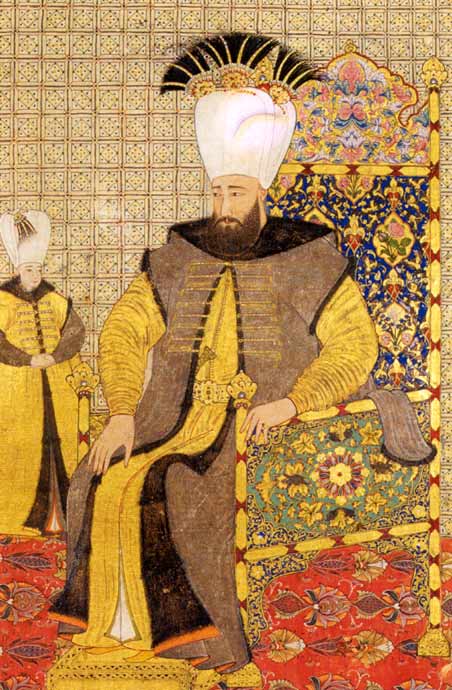
Ahmed III (Ottoman Turkish: احمد ثالث, Aḥmed-i sālis; 30 December 1673 – 1 July 1736) was sultan of the Ottoman Empire and a son of sultan Mehmed IV (r. 1648–1687). His mother was Gülnuş Sultan, originally named Evmania Voria, who was an ethnic Greek. He was born at Hacıoğlu Pazarcık, in Dobruja. He succeeded to the throne in 1703 on the abdication of his brother Mustafa II (1695–1703). Nevşehirli Damat İbrahim Pasha and the Sultan's daughter, Fatma Sultan (wife of the former) directed the government from 1718 to 1730, a period referred to as the Tulip Era.
During the initial days of Ahmed III's reign, significant efforts were made to appease the janissaries. However, Ahmed's effectiveness in dealing with the janissaries who had elevated him to the sultanate was limited. Grand Vizier Çorlulu Ali Pasha, whom Ahmed appointed, provided valuable assistance in administrative affairs and implemented new measures for the treasury. He supported Ahmed in his struggles against rival factions and provided stability to the government. Ahmed was an avid reader, skilled in calligraphy and knowledgeable on history and poetry.
Sultan Ahmed was born on 30 December 1673. His father was Sultan Mehmed IV, and his mother was Gülnuş Sultan, originally named Evmenia. His birth occurred in Hacıoğlupazarı, where Mehmed stayed to hunt on his return from Poland in 1673, while Gülnuş was pregnant at that time. In 1675, He and his brother, Prince Mustafa (future Mustafa II) were circumcised. During the same ceremony their sisters Hatice Sultan and Fatma Sultan were married to Musahip Mustafa Pasha and Kara Mustafa Pasha respectively. The celebrations lasted 20 days.
He grew up in the Edirne Palace. His schooling began during one of the sporadic visits of the court to Istanbul, following a courtly ceremony called bad-i basmala, which took place on 9 August 1679 in the Istavroz Palace. He was brought up in the imperial harem in Edirne with a traditional princely education, studying the Qur’an, the hadiths (traditions of Muhammad), and the fundamentals of Islamic sciences, history, poetry and music under the supervision of private tutors. One of his tutors was chief mufti Feyzullah Efendi.
Ahmed was apparently curious and intellectual in nature, spending most of his time reading and practising calligraphy. The poems that he wrote manifest his profound knowledge of poetry, history, Islamic theology and philosophy. He was also interested in calligraphy, which he had studied with the leading court calligraphers, primarily with Hafız Osman Efendi (died 1698), who influenced his art immensely, and, therefore, practiced it because of the influence of his elder brother, the future Sultan Mustafa II, who also became a notable calligrapher.
During his princehood in Edirne, Ahmed made friends with a bright officer-scribe, Ibrahim, from the city of Nevşehir, who was to become one of the outstanding Grand Viziers of his future reign. From 1687, following the deposition of his father, he lived in isolation for sixteen years in the palaces of Edirne and Istanbul. During this period he dedicated himself to calligraphy and intellectual activities.
The Edirne succession occurred between 19 August to 23 August. Under Mustafa, Istanbul had been out of control for a long time. As arrests and executions mounted, theft and robbery incidents became common. The people were dissatisfied with the poor governing of the Empire. Mustafa was deposed by the Janissaries and Ahmed, who succeeded him to the throne on 22 August 1703. The first Friday salute was held in Bayezid Mosque.
Fındıklılı Mehmed Ağa welcomed the new sultan at the Harem gate on the Hasoda side, entered the arm, brought him to the Cardigan-i Saadet Department and placed them on the throne, and were among the first to pay tribute to him.
Hub AI
Ahmed III AI simulator
(@Ahmed III_simulator)
Ahmed III
Ahmed III (Ottoman Turkish: احمد ثالث, Aḥmed-i sālis; 30 December 1673 – 1 July 1736) was sultan of the Ottoman Empire and a son of sultan Mehmed IV (r. 1648–1687). His mother was Gülnuş Sultan, originally named Evmania Voria, who was an ethnic Greek. He was born at Hacıoğlu Pazarcık, in Dobruja. He succeeded to the throne in 1703 on the abdication of his brother Mustafa II (1695–1703). Nevşehirli Damat İbrahim Pasha and the Sultan's daughter, Fatma Sultan (wife of the former) directed the government from 1718 to 1730, a period referred to as the Tulip Era.
During the initial days of Ahmed III's reign, significant efforts were made to appease the janissaries. However, Ahmed's effectiveness in dealing with the janissaries who had elevated him to the sultanate was limited. Grand Vizier Çorlulu Ali Pasha, whom Ahmed appointed, provided valuable assistance in administrative affairs and implemented new measures for the treasury. He supported Ahmed in his struggles against rival factions and provided stability to the government. Ahmed was an avid reader, skilled in calligraphy and knowledgeable on history and poetry.
Sultan Ahmed was born on 30 December 1673. His father was Sultan Mehmed IV, and his mother was Gülnuş Sultan, originally named Evmenia. His birth occurred in Hacıoğlupazarı, where Mehmed stayed to hunt on his return from Poland in 1673, while Gülnuş was pregnant at that time. In 1675, He and his brother, Prince Mustafa (future Mustafa II) were circumcised. During the same ceremony their sisters Hatice Sultan and Fatma Sultan were married to Musahip Mustafa Pasha and Kara Mustafa Pasha respectively. The celebrations lasted 20 days.
He grew up in the Edirne Palace. His schooling began during one of the sporadic visits of the court to Istanbul, following a courtly ceremony called bad-i basmala, which took place on 9 August 1679 in the Istavroz Palace. He was brought up in the imperial harem in Edirne with a traditional princely education, studying the Qur’an, the hadiths (traditions of Muhammad), and the fundamentals of Islamic sciences, history, poetry and music under the supervision of private tutors. One of his tutors was chief mufti Feyzullah Efendi.
Ahmed was apparently curious and intellectual in nature, spending most of his time reading and practising calligraphy. The poems that he wrote manifest his profound knowledge of poetry, history, Islamic theology and philosophy. He was also interested in calligraphy, which he had studied with the leading court calligraphers, primarily with Hafız Osman Efendi (died 1698), who influenced his art immensely, and, therefore, practiced it because of the influence of his elder brother, the future Sultan Mustafa II, who also became a notable calligrapher.
During his princehood in Edirne, Ahmed made friends with a bright officer-scribe, Ibrahim, from the city of Nevşehir, who was to become one of the outstanding Grand Viziers of his future reign. From 1687, following the deposition of his father, he lived in isolation for sixteen years in the palaces of Edirne and Istanbul. During this period he dedicated himself to calligraphy and intellectual activities.
The Edirne succession occurred between 19 August to 23 August. Under Mustafa, Istanbul had been out of control for a long time. As arrests and executions mounted, theft and robbery incidents became common. The people were dissatisfied with the poor governing of the Empire. Mustafa was deposed by the Janissaries and Ahmed, who succeeded him to the throne on 22 August 1703. The first Friday salute was held in Bayezid Mosque.
Fındıklılı Mehmed Ağa welcomed the new sultan at the Harem gate on the Hasoda side, entered the arm, brought him to the Cardigan-i Saadet Department and placed them on the throne, and were among the first to pay tribute to him.
Recent media