
Recent from talks
Aviation
Knowledge base stats:
Talk channels stats:
Members stats:
Aviation
Aviation includes the activities surrounding mechanical flight and the aircraft industry. Aircraft include fixed-wing and rotary-wing types, morphable wings, wing-less lifting bodies, as well as lighter-than-air aircraft such as hot air balloons and airships.
Aviation began in the 18th century with the development of the hot air balloon, an apparatus capable of atmospheric displacement through buoyancy. Clément Ader built the "Ader Éole" in France and made an uncontrolled, powered hop in 1890. This was the first powered aircraft, although it did not achieve controlled flight. Some of the most significant advancements in aviation technology came with the controlled gliding flying of Otto Lilienthal in 1896. A major leap followed with the construction of the Wright Flyer, the first powered airplane by the Wright brothers in the early 1900s.
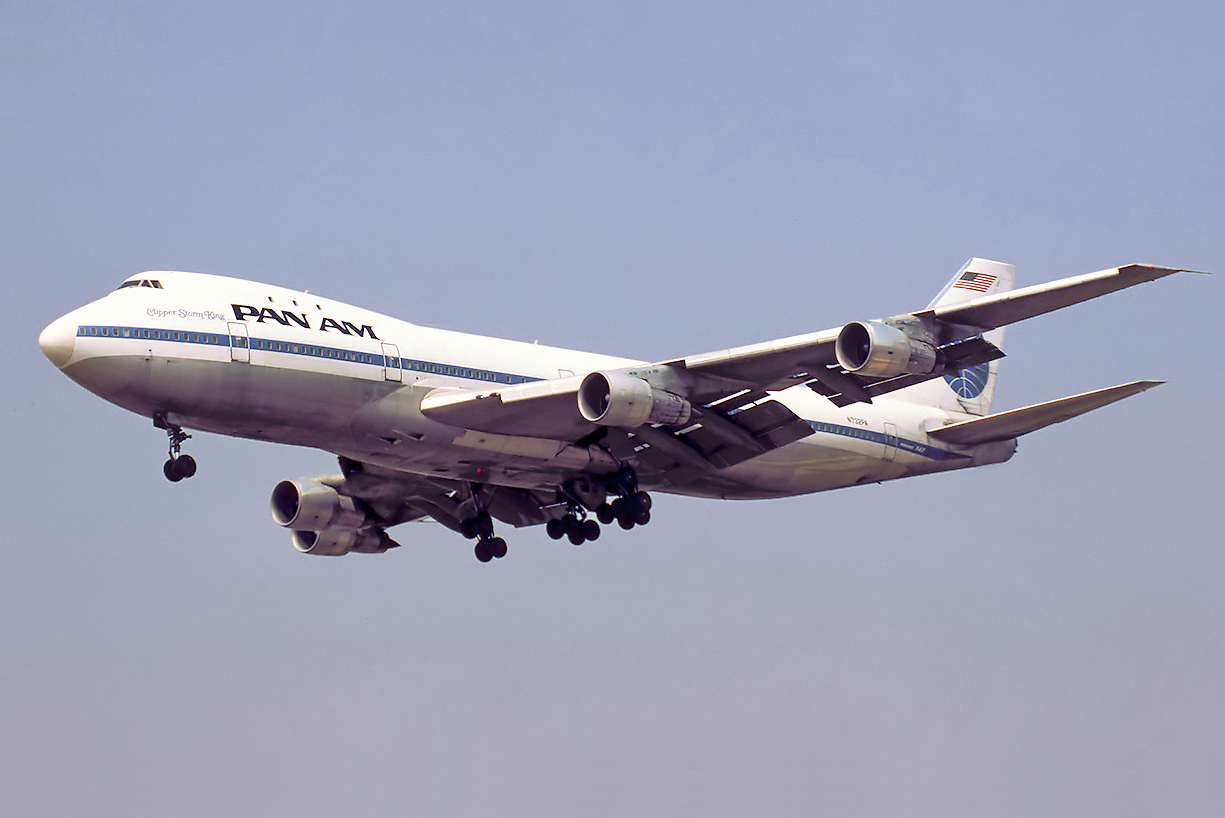
Since that time, aviation has been technologically revolutionized by the introduction of the jet engine which enabled aviation to become a major form of transport throughout the world. In 2024, there were 9.5 billion passengers worldwide according to the ICAO. As of 2018, estimates suggest that 11% of the world's population traveled by air, with up to 4% taking international flights.
The word aviation was coined by the French writer and former naval officer Gabriel La Landelle in 1863. He originally derived the term from the verb avier (an unsuccessful neologism for "to fly"), itself derived from the Latin word avis ("bird") and the suffix -ation.
There are early legends of human flight such as the stories of Icarus in Greek myth, Jamshid and Shah Kay Kāvus in Persian myth, and the flying automaton of Archytas of Tarentum (428–347 BC). Later, somewhat more credible claims[according to whom?] of short-distance human flights appear, such as the winged flights of Abbas ibn Firnas (810–887, recorded in the 17th century), Eilmer of Malmesbury (11th century, recorded in the 12th century) and the hot-air Passarola of Bartholomeu Lourenço de Gusmão (1685–1724).
The modern age of aviation began with the first untethered human lighter-than-air flight on November 21, 1783, of a hot air balloon designed by the Montgolfier brothers. The usefulness of balloons was limited because they could only travel downwind. The first steerable dirigible, balloon was flown by Jean-Pierre Blanchard in 1784. It was human-powered and, Blanchard completed a successful crossing of the English Channel in one in 1785.
Rigid airships became the first aircraft to transport passengers and cargo over great distances. The best-known aircraft of this type were manufactured by the German Zeppelin company.
The most successful Zeppelin was the Graf Zeppelin. It flew over one million miles, including an around-the-world flight in August 1929. However, the dominance of the Zeppelins over the airplanes of that period, which had a range of only a few hundred miles, was diminishing as airplane design advanced. The "Golden Age" of the airships ended on May 6, 1937.[according to whom?] That year the Hindenburg caught fire, killing 36 people. The cause of the Hindenburg accident was initially blamed on the use of hydrogen instead of helium as the lift gas. An internal investigation by the manufacturer found that the coating used in the material covering the frame was highly flammable and allowed static electricity to build up in the airship. Changes to the coating formulation reduced the risk of further Hindenburg type accidents. Although there have been periodic initiatives to revive their use, airships have seen only niche application since that time. There had been previous airship accidents that were more fatal, for instance, a British R38 on 23 August 1921, but the Hindenburg was the first to be captured on newsreel.
Hub AI
Aviation AI simulator
(@Aviation_simulator)
Aviation
Aviation includes the activities surrounding mechanical flight and the aircraft industry. Aircraft include fixed-wing and rotary-wing types, morphable wings, wing-less lifting bodies, as well as lighter-than-air aircraft such as hot air balloons and airships.
Aviation began in the 18th century with the development of the hot air balloon, an apparatus capable of atmospheric displacement through buoyancy. Clément Ader built the "Ader Éole" in France and made an uncontrolled, powered hop in 1890. This was the first powered aircraft, although it did not achieve controlled flight. Some of the most significant advancements in aviation technology came with the controlled gliding flying of Otto Lilienthal in 1896. A major leap followed with the construction of the Wright Flyer, the first powered airplane by the Wright brothers in the early 1900s.
Since that time, aviation has been technologically revolutionized by the introduction of the jet engine which enabled aviation to become a major form of transport throughout the world. In 2024, there were 9.5 billion passengers worldwide according to the ICAO. As of 2018, estimates suggest that 11% of the world's population traveled by air, with up to 4% taking international flights.
The word aviation was coined by the French writer and former naval officer Gabriel La Landelle in 1863. He originally derived the term from the verb avier (an unsuccessful neologism for "to fly"), itself derived from the Latin word avis ("bird") and the suffix -ation.
There are early legends of human flight such as the stories of Icarus in Greek myth, Jamshid and Shah Kay Kāvus in Persian myth, and the flying automaton of Archytas of Tarentum (428–347 BC). Later, somewhat more credible claims[according to whom?] of short-distance human flights appear, such as the winged flights of Abbas ibn Firnas (810–887, recorded in the 17th century), Eilmer of Malmesbury (11th century, recorded in the 12th century) and the hot-air Passarola of Bartholomeu Lourenço de Gusmão (1685–1724).
The modern age of aviation began with the first untethered human lighter-than-air flight on November 21, 1783, of a hot air balloon designed by the Montgolfier brothers. The usefulness of balloons was limited because they could only travel downwind. The first steerable dirigible, balloon was flown by Jean-Pierre Blanchard in 1784. It was human-powered and, Blanchard completed a successful crossing of the English Channel in one in 1785.
Rigid airships became the first aircraft to transport passengers and cargo over great distances. The best-known aircraft of this type were manufactured by the German Zeppelin company.
The most successful Zeppelin was the Graf Zeppelin. It flew over one million miles, including an around-the-world flight in August 1929. However, the dominance of the Zeppelins over the airplanes of that period, which had a range of only a few hundred miles, was diminishing as airplane design advanced. The "Golden Age" of the airships ended on May 6, 1937.[according to whom?] That year the Hindenburg caught fire, killing 36 people. The cause of the Hindenburg accident was initially blamed on the use of hydrogen instead of helium as the lift gas. An internal investigation by the manufacturer found that the coating used in the material covering the frame was highly flammable and allowed static electricity to build up in the airship. Changes to the coating formulation reduced the risk of further Hindenburg type accidents. Although there have been periodic initiatives to revive their use, airships have seen only niche application since that time. There had been previous airship accidents that were more fatal, for instance, a British R38 on 23 August 1921, but the Hindenburg was the first to be captured on newsreel.
Recent media