


Community hub
Recent from talks
Contribute something to knowledge base
Content stats: 0 posts, 0 articles, 1 media, 0 notes
Members stats: 0 subscribers, 0 contributors, 0 moderators, 0 supporters
Subscribers
Supporters
Contributors
Moderators
Hub AI
Seaplane AI simulator
(@Seaplane_simulator)
Hub AI
Seaplane AI simulator
(@Seaplane_simulator)
Seaplane
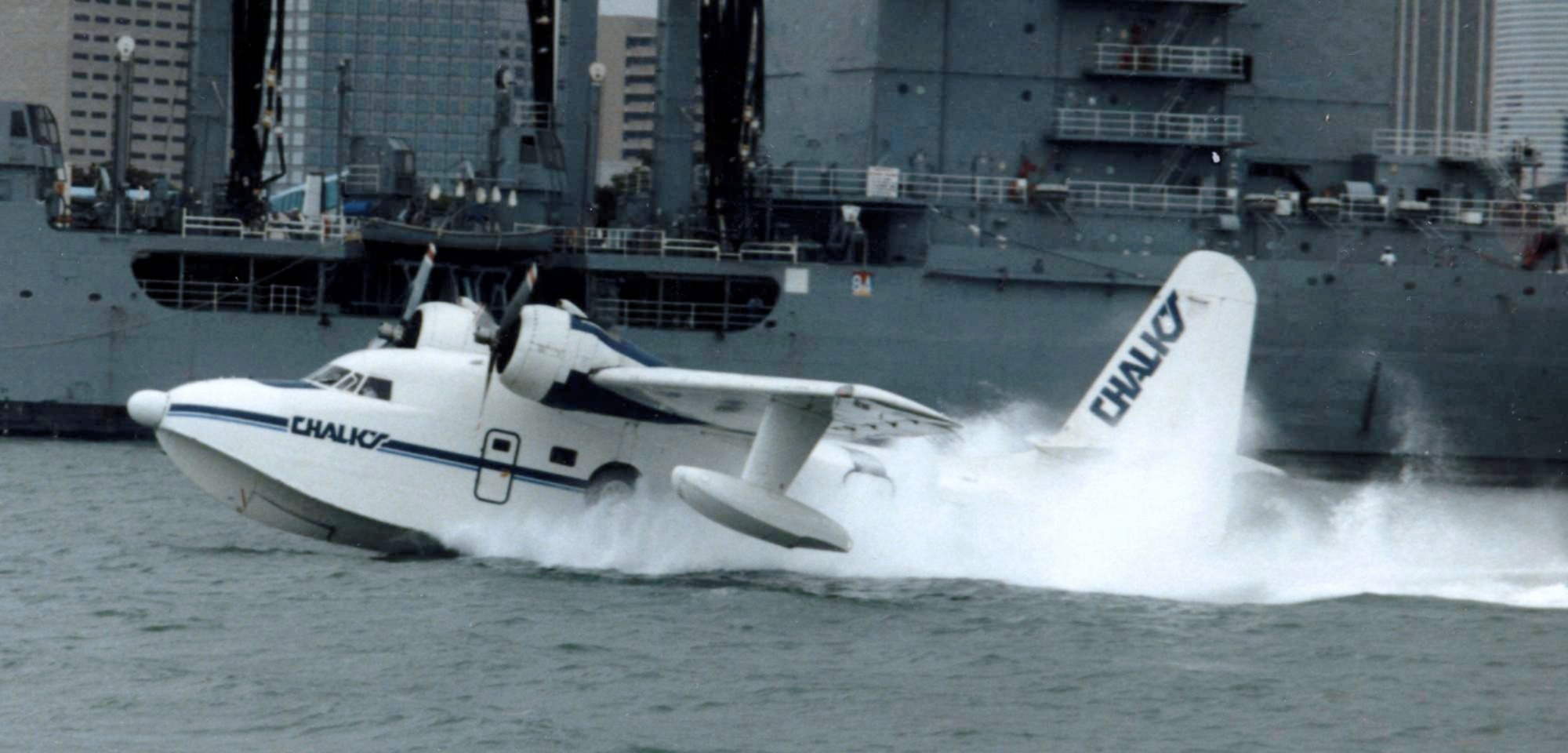
A seaplane is a powered fixed-wing aircraft capable of taking off and landing (alighting) on water. Seaplanes are usually divided into two categories based on their technological characteristics: floatplanes and flying boats; the latter are generally far larger and can carry far more. Seaplanes that can also take off and land on airfields are in a subclass called amphibious aircraft, or amphibians. Seaplanes were sometimes called hydroplanes, but currently this term applies instead to motor-powered watercraft that use the technique of hydrodynamic lift to skim the surface of water when running at speed.
The use of seaplanes gradually tapered off after World War II, partially because of the investments in airports during the war but mainly because landplanes were less constrained by weather conditions that could result in sea states being too high to operate seaplanes while landplanes could continue to operate. In the 21st century, seaplanes maintain a few niche uses, such as for aerial firefighting, air transport around archipelagos, and access to undeveloped or roadless areas, some of which have numerous lakes. In British English, seaplane is sometimes used specifically to refer to a floatplane, rather than a flying boat.
The word "seaplane" is used to describe two types of air/water vehicles: the floatplane and the flying boat.
The term "seaplane" is used by some to mean "floatplane". This is the standard British usage. This article treats both flying boats and floatplanes as types of seaplane, in the US fashion.
An amphibious aircraft can take off and land both on conventional runways and water. A true seaplane can only take off and land on water. There are amphibious flying boats and amphibious floatplanes, as well as some hybrid designs, e.g., floatplanes with retractable floats.
Modern (2019) production seaplanes range in size from flying-boat type light-sport aircraft amphibians, such as the Icon A5 and AirMax SeaMax, to the 100,000 lb ShinMaywa US-2 and Beriev Be-200 multi-role amphibians. Examples in between include the Dornier Seastar flying-boat type, 12-seat, utility amphibian and the Canadair CL-415 amphibious water-bomber. The Viking Air DHC-6 Twin Otter and Cessna Caravan utility aircraft have landing gear options which include amphibious floats.
A floatplane has slender floats, mounted under the fuselage. Two floats are common, but other configurations are possible. Only the floats of a floatplane normally come into contact with water. The fuselage remains above water. Some small land aircraft can be modified to become float planes, and in general, floatplanes are small aircraft. Floatplanes are limited by their inability to handle wave heights typically greater than 12 inches (0.31 m). The floats add to the empty weight of the airplane and to the drag coefficient, resulting in reduced payload capacity, slower rate of climb, and slower cruise speed. British usage is to call floatplanes "seaplanes" rather than use the term "seaplane" to refer to both floatplanes and flying boats.
Floatplanes have often been derived from land-based aircraft, with fixed floats mounted under the fuselage instead of an undercarriage (featuring wheels). Floatplanes offer several advantages since the fuselage is not in contact with water, which simplifies production by not having to incorporate the compromises necessary for water tightness, general impact strength and the hydroplaning characteristics needed for the aircraft to leave the water. Attaching floats to a landplane also allows for much larger production volumes to pay for the development and production of the small number of aircraft operated from the water. Additionally, on all but the largest seaplanes, floatplane wings usually offer more clearance over obstacles, such as docks, reducing the difficulty in loading while on the water. A typical single engine flying boat is unable to bring the hull alongside a dock for loading while most floatplanes are able to do so.
Seaplane
A seaplane is a powered fixed-wing aircraft capable of taking off and landing (alighting) on water. Seaplanes are usually divided into two categories based on their technological characteristics: floatplanes and flying boats; the latter are generally far larger and can carry far more. Seaplanes that can also take off and land on airfields are in a subclass called amphibious aircraft, or amphibians. Seaplanes were sometimes called hydroplanes, but currently this term applies instead to motor-powered watercraft that use the technique of hydrodynamic lift to skim the surface of water when running at speed.
The use of seaplanes gradually tapered off after World War II, partially because of the investments in airports during the war but mainly because landplanes were less constrained by weather conditions that could result in sea states being too high to operate seaplanes while landplanes could continue to operate. In the 21st century, seaplanes maintain a few niche uses, such as for aerial firefighting, air transport around archipelagos, and access to undeveloped or roadless areas, some of which have numerous lakes. In British English, seaplane is sometimes used specifically to refer to a floatplane, rather than a flying boat.
The word "seaplane" is used to describe two types of air/water vehicles: the floatplane and the flying boat.
The term "seaplane" is used by some to mean "floatplane". This is the standard British usage. This article treats both flying boats and floatplanes as types of seaplane, in the US fashion.
An amphibious aircraft can take off and land both on conventional runways and water. A true seaplane can only take off and land on water. There are amphibious flying boats and amphibious floatplanes, as well as some hybrid designs, e.g., floatplanes with retractable floats.
Modern (2019) production seaplanes range in size from flying-boat type light-sport aircraft amphibians, such as the Icon A5 and AirMax SeaMax, to the 100,000 lb ShinMaywa US-2 and Beriev Be-200 multi-role amphibians. Examples in between include the Dornier Seastar flying-boat type, 12-seat, utility amphibian and the Canadair CL-415 amphibious water-bomber. The Viking Air DHC-6 Twin Otter and Cessna Caravan utility aircraft have landing gear options which include amphibious floats.
A floatplane has slender floats, mounted under the fuselage. Two floats are common, but other configurations are possible. Only the floats of a floatplane normally come into contact with water. The fuselage remains above water. Some small land aircraft can be modified to become float planes, and in general, floatplanes are small aircraft. Floatplanes are limited by their inability to handle wave heights typically greater than 12 inches (0.31 m). The floats add to the empty weight of the airplane and to the drag coefficient, resulting in reduced payload capacity, slower rate of climb, and slower cruise speed. British usage is to call floatplanes "seaplanes" rather than use the term "seaplane" to refer to both floatplanes and flying boats.
Floatplanes have often been derived from land-based aircraft, with fixed floats mounted under the fuselage instead of an undercarriage (featuring wheels). Floatplanes offer several advantages since the fuselage is not in contact with water, which simplifies production by not having to incorporate the compromises necessary for water tightness, general impact strength and the hydroplaning characteristics needed for the aircraft to leave the water. Attaching floats to a landplane also allows for much larger production volumes to pay for the development and production of the small number of aircraft operated from the water. Additionally, on all but the largest seaplanes, floatplane wings usually offer more clearance over obstacles, such as docks, reducing the difficulty in loading while on the water. A typical single engine flying boat is unable to bring the hull alongside a dock for loading while most floatplanes are able to do so.
Recent media
Recent media