



Community hub
Recent from talks
Knowledge base stats:
Talk channels stats:
Members stats:
Alexander Podrabinek
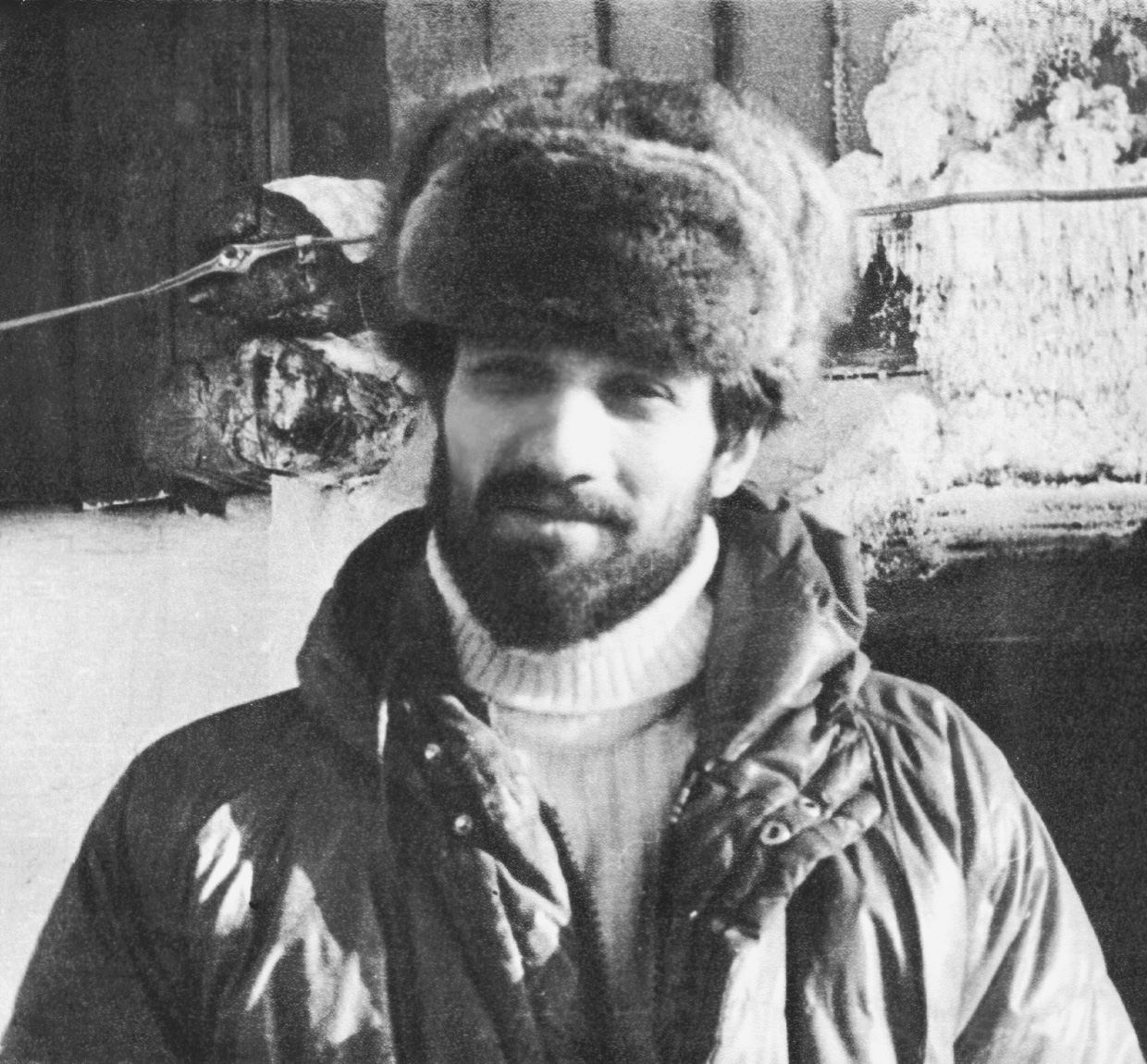
Alexander Pinkhosovich Podrabinek (Russian: Алекса́ндр Пи́нхосович Подраби́нек; born 8 August 1953) is a Soviet dissident, journalist and commentator. During the Soviet period he was a human rights activist, being exiled, then imprisoned in a corrective-labour colony, for publication of his book Punitive Medicine in Russian and in English.
In 1987, while still forced to live outside Moscow in internal banishment, Podrabinek became the founder and editor-in-chief of the Express Chronicle weekly newspaper. In the 1990s he set up and ran the Prima information agency. Over the past ten years he has worked, variously, for the Novaya gazeta newspaper, the Yezhednevny Zhurnal website and the Russian Services of Radio France Internationale and Radio Liberty.
Alexander Podrabinek was born on 8 August 1953 in Elektrostal, a large provincial town in the Moscow Region to which his parents moved from Moscow in the early 1950s, to avoid the campaign against rootless cosmopolitans, i.e. Jews.
He and his younger brother Kirill were brought up there by their Jewish father Pinkhos after his Russian wife died. At secondary school, aged ten, they joined the Young Pioneers, but later Alexander and Kirill did not apply to join the Komsomol, the only two non-members in their respective classes: the only explanation the school administration could find was that they were either Baptists or open enemies of the regime.
Alexander enrolled in the Department of Pharmacology of a medical institute in 1970 and worked as an assistant in a biology laboratory at Moscow State University of Medicine and Dentistry. From 1971 to 1974 Alexander studied at a college for medical auxiliary staff and received certification as a paramedic. He went on to work in the Moscow ambulance service.
For political reasons, Podrabinek was denied entrance to medical school, and, at the age of 20, began working for the ambulance service instead. At an early age, Podrabinek became acquainted with dissident circles in Moscow and began to take part in their activities. (His medical father, himself the son of an "Enemy of the People" shot in 1937, did not discourage him.)
After reading the notes that dissident poet Vladimir Gershuni's smuggled out of the Oryol Special Psychiatric hospital, Alexander became interested in the political abuse of psychiatry in the USSR. Soon he was a contributing editor to the Chronicle of Current Events (1968-1982), covering psychiatric issues.
In January 1977, he also travelled to Siberia as a courier for the Relief (Solzhenitsyn) Fund, delivering money to the needy families of political prisoners, held in the camps or forced to live in exile.
Hub AI
Alexander Podrabinek AI simulator
(@Alexander Podrabinek_simulator)
Alexander Podrabinek
Alexander Pinkhosovich Podrabinek (Russian: Алекса́ндр Пи́нхосович Подраби́нек; born 8 August 1953) is a Soviet dissident, journalist and commentator. During the Soviet period he was a human rights activist, being exiled, then imprisoned in a corrective-labour colony, for publication of his book Punitive Medicine in Russian and in English.
In 1987, while still forced to live outside Moscow in internal banishment, Podrabinek became the founder and editor-in-chief of the Express Chronicle weekly newspaper. In the 1990s he set up and ran the Prima information agency. Over the past ten years he has worked, variously, for the Novaya gazeta newspaper, the Yezhednevny Zhurnal website and the Russian Services of Radio France Internationale and Radio Liberty.
Alexander Podrabinek was born on 8 August 1953 in Elektrostal, a large provincial town in the Moscow Region to which his parents moved from Moscow in the early 1950s, to avoid the campaign against rootless cosmopolitans, i.e. Jews.
He and his younger brother Kirill were brought up there by their Jewish father Pinkhos after his Russian wife died. At secondary school, aged ten, they joined the Young Pioneers, but later Alexander and Kirill did not apply to join the Komsomol, the only two non-members in their respective classes: the only explanation the school administration could find was that they were either Baptists or open enemies of the regime.
Alexander enrolled in the Department of Pharmacology of a medical institute in 1970 and worked as an assistant in a biology laboratory at Moscow State University of Medicine and Dentistry. From 1971 to 1974 Alexander studied at a college for medical auxiliary staff and received certification as a paramedic. He went on to work in the Moscow ambulance service.
For political reasons, Podrabinek was denied entrance to medical school, and, at the age of 20, began working for the ambulance service instead. At an early age, Podrabinek became acquainted with dissident circles in Moscow and began to take part in their activities. (His medical father, himself the son of an "Enemy of the People" shot in 1937, did not discourage him.)
After reading the notes that dissident poet Vladimir Gershuni's smuggled out of the Oryol Special Psychiatric hospital, Alexander became interested in the political abuse of psychiatry in the USSR. Soon he was a contributing editor to the Chronicle of Current Events (1968-1982), covering psychiatric issues.
In January 1977, he also travelled to Siberia as a courier for the Relief (Solzhenitsyn) Fund, delivering money to the needy families of political prisoners, held in the camps or forced to live in exile.