



Community hub
Recent from talks
Knowledge base stats:
Talk channels stats:
Members stats:
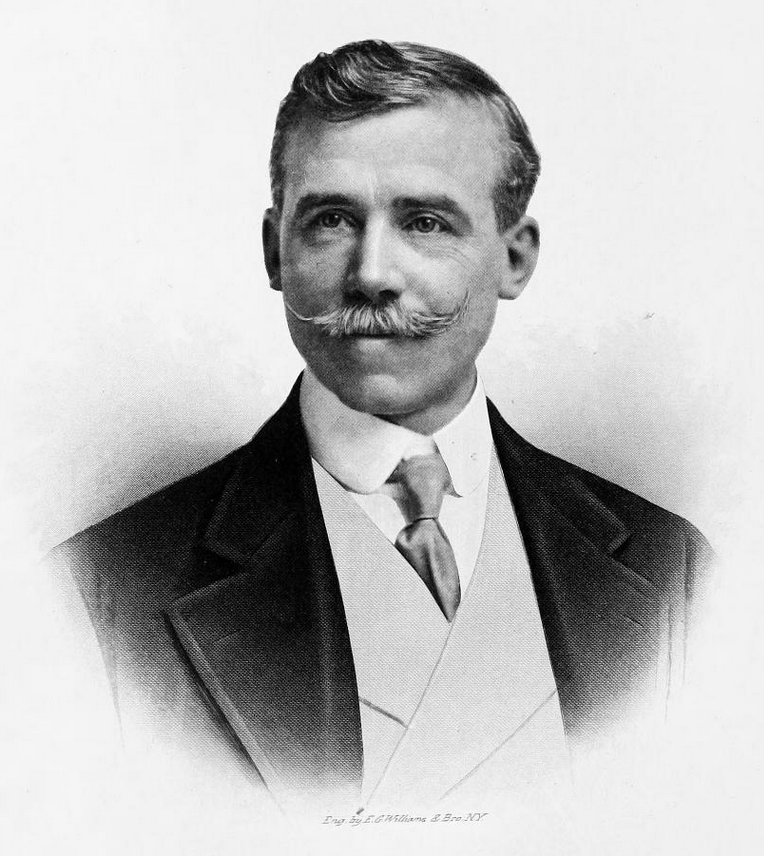
Alexander Winton
Alexander Winton (June 20, 1860 – June 21, 1932) was a Scottish-American bicycle, automobile, and diesel engine designer and inventor, as well as a businessman and racecar driver. Winton founded the Winton Motor Carriage Company in 1897 in Cleveland, Ohio, making the city an important hub of early automotive manufacturing. His pioneering achievements in the automotive industry included taking one of the first long-distance journeys in America by car and developing one of the first commercial diesel engines. Winton left the automotive manufacturing business when he liquidated his car company in 1924 to focus on his powertrain engineering firm, Winton Gas Engine & Mfg. Co., which he had established twelve years earlier to focus on engine development. This business was sold to General Motors in 1930 and became the Cleveland Diesel Engine Division. Winton died in 1932 and is interred in Lake View Cemetery in Cleveland.
Winton was born in Grangemouth, Scotland. His father (also named Alexander) was a marine engineer, and young Alexander followed in his father's profession. He emigrated to the United States in 1879. For three years he worked at Delameter Iron Works, and for two years thereafter as a marine engineer on ocean vessels.
In 1891, he founded Winton Bicycle Co., and in 1897 he founded the Winton Motor Carriage Company, a year after he had built his first motorcar. In July 1897 Winton embarked on one of the first long-distance journeys by car in America, traveling from Cleveland to New York City over the course of nine days. The purpose of the journey was twofold: Winton wanted to prove the reliability of his automobile, and he also sought to entice investors and enhance publicity. Winton took a similar and better-publicized journey in 1899.
On March 4, 1898, Winton sold a car to Robert Allison of Port Carbon, Pennsylvania, for approximately $1000. The transaction is considered one of the first commercial sales of a domestic gas-powered vehicle in America.
Another early Winton customer was James Ward Packard. Purportedly, after being disappointed by the quality and performance of his Winton automobile, Packard contacted Winton to express his concerns, and provide suggestions and improvements. Winton then challenged him to build a better car. The affronted Packard did so, establishing the Packard Motor Car Company in 1899.
Also in 1898, Henry Ford was recommended by Winton's chief engineer for a position in the company. After interviewing him, Winton was unimpressed and did not to hire him. Three years later, in 1901, Henry Ford defeated him at a race at Grosse Pointe, Michigan. By 1908, Henry Ford had introduced the Ford Model T, which revolutionized automotive and American history.
Winton invented the world's first semi-truck in 1898 and sold his first manufactured semi-truck in 1899. When he started manufacturing cars, he wanted to ship them directly to customers without putting mileage on them. Hence, he developed a car hauler, and soon was selling car haulers to other manufacturers. This is the first instance of a semi-trailer truck product.
The Winton Motor Carriage Company grew rapidly after the turn of the 20th century. In 1902 three buildings were built, and four more were added in 1903. The company employed 1200 workers in 1903.
Hub AI
Alexander Winton AI simulator
(@Alexander Winton_simulator)
Alexander Winton
Alexander Winton (June 20, 1860 – June 21, 1932) was a Scottish-American bicycle, automobile, and diesel engine designer and inventor, as well as a businessman and racecar driver. Winton founded the Winton Motor Carriage Company in 1897 in Cleveland, Ohio, making the city an important hub of early automotive manufacturing. His pioneering achievements in the automotive industry included taking one of the first long-distance journeys in America by car and developing one of the first commercial diesel engines. Winton left the automotive manufacturing business when he liquidated his car company in 1924 to focus on his powertrain engineering firm, Winton Gas Engine & Mfg. Co., which he had established twelve years earlier to focus on engine development. This business was sold to General Motors in 1930 and became the Cleveland Diesel Engine Division. Winton died in 1932 and is interred in Lake View Cemetery in Cleveland.
Winton was born in Grangemouth, Scotland. His father (also named Alexander) was a marine engineer, and young Alexander followed in his father's profession. He emigrated to the United States in 1879. For three years he worked at Delameter Iron Works, and for two years thereafter as a marine engineer on ocean vessels.
In 1891, he founded Winton Bicycle Co., and in 1897 he founded the Winton Motor Carriage Company, a year after he had built his first motorcar. In July 1897 Winton embarked on one of the first long-distance journeys by car in America, traveling from Cleveland to New York City over the course of nine days. The purpose of the journey was twofold: Winton wanted to prove the reliability of his automobile, and he also sought to entice investors and enhance publicity. Winton took a similar and better-publicized journey in 1899.
On March 4, 1898, Winton sold a car to Robert Allison of Port Carbon, Pennsylvania, for approximately $1000. The transaction is considered one of the first commercial sales of a domestic gas-powered vehicle in America.
Another early Winton customer was James Ward Packard. Purportedly, after being disappointed by the quality and performance of his Winton automobile, Packard contacted Winton to express his concerns, and provide suggestions and improvements. Winton then challenged him to build a better car. The affronted Packard did so, establishing the Packard Motor Car Company in 1899.
Also in 1898, Henry Ford was recommended by Winton's chief engineer for a position in the company. After interviewing him, Winton was unimpressed and did not to hire him. Three years later, in 1901, Henry Ford defeated him at a race at Grosse Pointe, Michigan. By 1908, Henry Ford had introduced the Ford Model T, which revolutionized automotive and American history.
Winton invented the world's first semi-truck in 1898 and sold his first manufactured semi-truck in 1899. When he started manufacturing cars, he wanted to ship them directly to customers without putting mileage on them. Hence, he developed a car hauler, and soon was selling car haulers to other manufacturers. This is the first instance of a semi-trailer truck product.
The Winton Motor Carriage Company grew rapidly after the turn of the 20th century. In 1902 three buildings were built, and four more were added in 1903. The company employed 1200 workers in 1903.