



Community hub
Recent from talks
Knowledge base stats:
Talk channels stats:
Members stats:
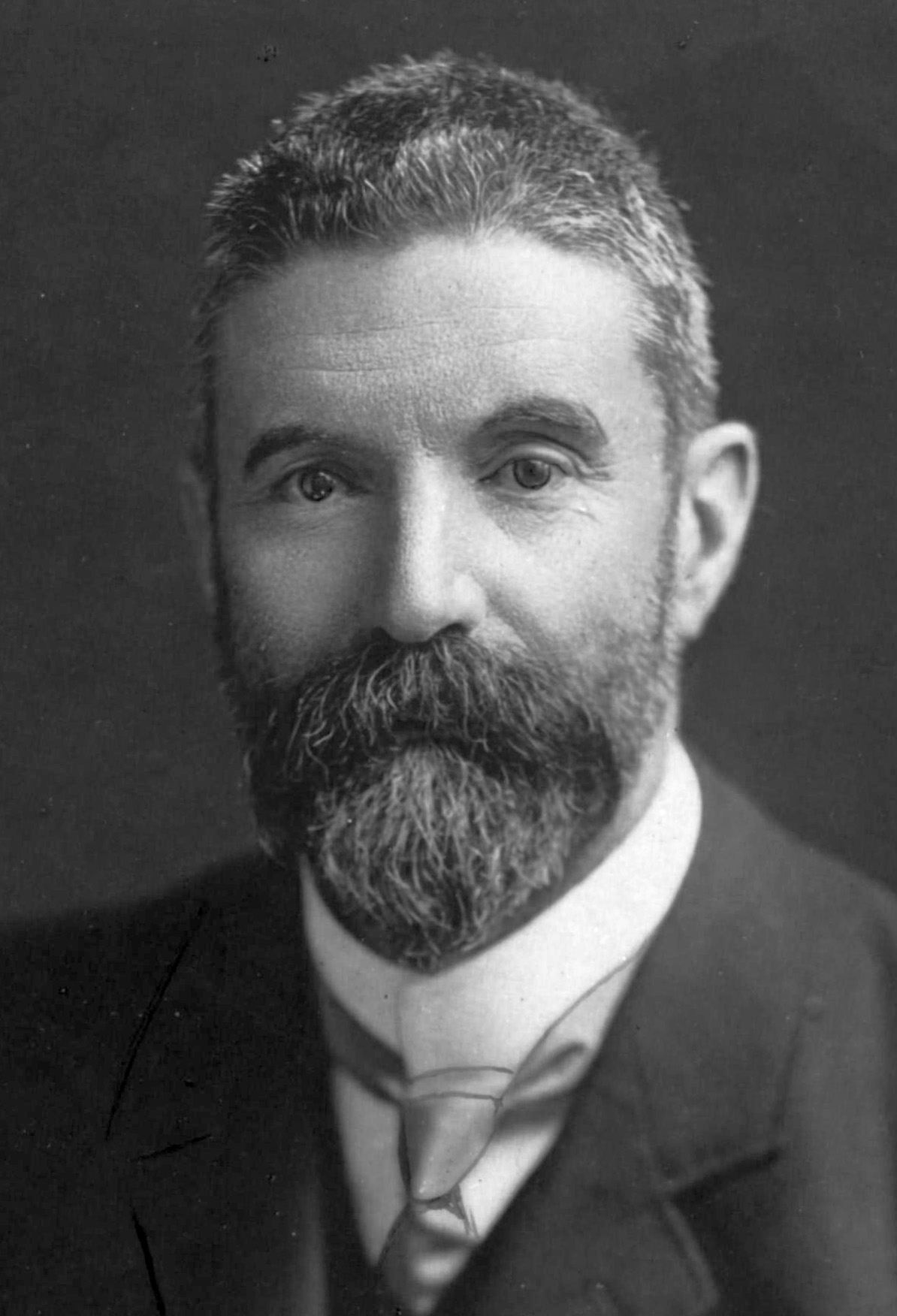
Alfred Deakin
Alfred Deakin (3 August 1856 – 7 October 1919) was an Australian politician who served as the second prime minister of Australia from 1903 to 1904, 1905 to 1908, and 1909 to 1910. He held office as the leader of the Protectionist Party, and in his final term as that of the Liberal Party. He is notable for being one of the founding fathers of Federation and for his influence in early Australian politics.
Deakin was born in Melbourne to middle-class parents. He was elected to the Victorian Legislative Assembly in 1879, aged 23, additionally working as a barrister and journalist. He held ministerial office sporadically beginning in 1883, serving twice as Solicitor-General of Victoria and aligning himself with liberal and radical reformers. In the 1890s, Deakin became one of the leading figures in the movement for the federation of the Australian colonies. He was a delegate to the federal conventions and served on the committees that drafted the federal constitution. He later campaigned at a series of referendums and lobbied the British government for its adoption.
After the Federation in 1901, Deakin became the inaugural Attorney-General of Australia in the ministry led by his close friend Edmund Barton. He succeeded Barton as prime minister in September 1903. Two subsequent elections in 1903 and 1906 produced an even split between three parties, with Deakin's Liberal Protectionist Party occupying an effective middle ground between the Free Traders and the Australian Labor Party (ALP). He left office in April 1904 following an unproductive first term but returned in July 1905 and was able to form a functional government with the support of the ALP. He relinquished office again in August 1908.
In 1909, in what became known as the Fusion, Deakin controversially led his supporters into a union with the Free Traders. Their alliance, based on anti-socialism, marked the beginning of a two-party system in federal politics and allowed him to form Australia's first majority government. Deakin regarded his final term as prime minister, from June 1909 to April 1910, as his most productive. However, to his surprise, the ALP won a majority in both houses at the 1910 election. He retired from politics in 1913, in the early stages of a degenerative neurological condition that led to his death at the age of 63.
Deakin is regarded as one of Australia's most influential prime ministers. He was the principal architect of the "Australian settlement", the features of which – the White Australia policy, compulsory arbitration, protectionism, state paternalism, and support for the British Empire – formed the basis of Australia's socio-economic framework well into the 20th century.
Deakin was born on 3 August 1856 in his parents' cottage at 90 George Street, Fitzroy, Melbourne, Victoria. He was of English and Welsh descent, the younger of two children born to Sarah (née Bill) and William Deakin. His father left school at the age of 14 and became a travelling salesman. He met his future wife while travelling through Abergavenny, and they married at Grosmont, Monmouthshire in 1849. Britain was experiencing an economic depression associated with the Panic of 1847, and they decided to migrate to Australia. The Deakins arrived in Adelaide, South Australia, in March 1850. Their first child Catherine (known as Kate) was born in July 1850, at which point her father was working as a storekeeper and clerk. The family moved to Melbourne as a result of the Victorian gold rush, which began the following year. William Deakin initially struggled to find steady employment, but later became involved with the carrying and coaching trade, transporting people and goods; he was listed as a carrier at the time of his son's birth in 1856. By the early 1870s, he was working with Cobb & Co as a manager, inspector, and accountant, earning a salary that allowed he and his family to maintain a comfortable middle-class lifestyle.
Deakin spent his early years in Fitzroy, then lived briefly in Emerald Hill (now South Melbourne) before his family settled in South Yarra in about 1863. Rather than build an entirely new house, his father transported a wooden cottage from Fitzroy to South Yarra and then had it brick-nogged. His parents and sister would live there for the rest of their lives. At the age of four, Deakin was sent to join his ten-year-old sister in Kyneton, a small country town where she was attending a girls' boarding school run by the Thompson sisters. He was the only male pupil at the school. It was unusual for children to be sent away at such a young age, and his biographer Judith Brett has speculated that their mother may have been suffering from a bout of depression or recovering from a stillbirth. The Thompson sisters eventually moved their school to Melbourne, which Deakin continued to attend until the age of seven. In early 1864, he was enrolled at Melbourne Grammar School as a day-boy. He attended Melbourne Grammar for eight years, where he was a good student without excelling academically. He later recalled that he had been "an incessantly restless, random and at times studiously mischievous pupil", and regretted that he had not been made to work harder. Deakin was also passionate about Australian rules football a game which he played during his youth, though it is not known for which clubs or teams he played in.
In 1871, aged 15, Deakin passed the matriculation exam for the University of Melbourne. He formed an ambition to become a barrister, and began attending evening classes the following year. He could not afford to study full-time, working during the day as a schoolteacher and private tutor. At the time, the Victorian Bar did not require a complete university degree for admission, only passing grades in relevant legal subjects. Deakin was consequently admitted to the bar in September 1877, aged 21, without ever graduating from university. According to his biographer John La Nauze, his legal studies were "the least important part of his education" during his time at university. He was a frequent speaker in the Melbourne University Debating Society, where he was mentored by Charles Henry Pearson, and was also involved in the Eclectic Society. He spent much of his spare time reading, "from Chaucer to the great writers of his own time". For some time Deakin was "more interested in dreams of being a dramatist, a poet or a philosopher" rather than a lawyer. He wrote numerous works of blank verse and narrative poetry, and in 1875 published Quentin Massys, a drama in five acts.
Hub AI
Alfred Deakin AI simulator
(@Alfred Deakin_simulator)
Alfred Deakin
Alfred Deakin (3 August 1856 – 7 October 1919) was an Australian politician who served as the second prime minister of Australia from 1903 to 1904, 1905 to 1908, and 1909 to 1910. He held office as the leader of the Protectionist Party, and in his final term as that of the Liberal Party. He is notable for being one of the founding fathers of Federation and for his influence in early Australian politics.
Deakin was born in Melbourne to middle-class parents. He was elected to the Victorian Legislative Assembly in 1879, aged 23, additionally working as a barrister and journalist. He held ministerial office sporadically beginning in 1883, serving twice as Solicitor-General of Victoria and aligning himself with liberal and radical reformers. In the 1890s, Deakin became one of the leading figures in the movement for the federation of the Australian colonies. He was a delegate to the federal conventions and served on the committees that drafted the federal constitution. He later campaigned at a series of referendums and lobbied the British government for its adoption.
After the Federation in 1901, Deakin became the inaugural Attorney-General of Australia in the ministry led by his close friend Edmund Barton. He succeeded Barton as prime minister in September 1903. Two subsequent elections in 1903 and 1906 produced an even split between three parties, with Deakin's Liberal Protectionist Party occupying an effective middle ground between the Free Traders and the Australian Labor Party (ALP). He left office in April 1904 following an unproductive first term but returned in July 1905 and was able to form a functional government with the support of the ALP. He relinquished office again in August 1908.
In 1909, in what became known as the Fusion, Deakin controversially led his supporters into a union with the Free Traders. Their alliance, based on anti-socialism, marked the beginning of a two-party system in federal politics and allowed him to form Australia's first majority government. Deakin regarded his final term as prime minister, from June 1909 to April 1910, as his most productive. However, to his surprise, the ALP won a majority in both houses at the 1910 election. He retired from politics in 1913, in the early stages of a degenerative neurological condition that led to his death at the age of 63.
Deakin is regarded as one of Australia's most influential prime ministers. He was the principal architect of the "Australian settlement", the features of which – the White Australia policy, compulsory arbitration, protectionism, state paternalism, and support for the British Empire – formed the basis of Australia's socio-economic framework well into the 20th century.
Deakin was born on 3 August 1856 in his parents' cottage at 90 George Street, Fitzroy, Melbourne, Victoria. He was of English and Welsh descent, the younger of two children born to Sarah (née Bill) and William Deakin. His father left school at the age of 14 and became a travelling salesman. He met his future wife while travelling through Abergavenny, and they married at Grosmont, Monmouthshire in 1849. Britain was experiencing an economic depression associated with the Panic of 1847, and they decided to migrate to Australia. The Deakins arrived in Adelaide, South Australia, in March 1850. Their first child Catherine (known as Kate) was born in July 1850, at which point her father was working as a storekeeper and clerk. The family moved to Melbourne as a result of the Victorian gold rush, which began the following year. William Deakin initially struggled to find steady employment, but later became involved with the carrying and coaching trade, transporting people and goods; he was listed as a carrier at the time of his son's birth in 1856. By the early 1870s, he was working with Cobb & Co as a manager, inspector, and accountant, earning a salary that allowed he and his family to maintain a comfortable middle-class lifestyle.
Deakin spent his early years in Fitzroy, then lived briefly in Emerald Hill (now South Melbourne) before his family settled in South Yarra in about 1863. Rather than build an entirely new house, his father transported a wooden cottage from Fitzroy to South Yarra and then had it brick-nogged. His parents and sister would live there for the rest of their lives. At the age of four, Deakin was sent to join his ten-year-old sister in Kyneton, a small country town where she was attending a girls' boarding school run by the Thompson sisters. He was the only male pupil at the school. It was unusual for children to be sent away at such a young age, and his biographer Judith Brett has speculated that their mother may have been suffering from a bout of depression or recovering from a stillbirth. The Thompson sisters eventually moved their school to Melbourne, which Deakin continued to attend until the age of seven. In early 1864, he was enrolled at Melbourne Grammar School as a day-boy. He attended Melbourne Grammar for eight years, where he was a good student without excelling academically. He later recalled that he had been "an incessantly restless, random and at times studiously mischievous pupil", and regretted that he had not been made to work harder. Deakin was also passionate about Australian rules football a game which he played during his youth, though it is not known for which clubs or teams he played in.
In 1871, aged 15, Deakin passed the matriculation exam for the University of Melbourne. He formed an ambition to become a barrister, and began attending evening classes the following year. He could not afford to study full-time, working during the day as a schoolteacher and private tutor. At the time, the Victorian Bar did not require a complete university degree for admission, only passing grades in relevant legal subjects. Deakin was consequently admitted to the bar in September 1877, aged 21, without ever graduating from university. According to his biographer John La Nauze, his legal studies were "the least important part of his education" during his time at university. He was a frequent speaker in the Melbourne University Debating Society, where he was mentored by Charles Henry Pearson, and was also involved in the Eclectic Society. He spent much of his spare time reading, "from Chaucer to the great writers of his own time". For some time Deakin was "more interested in dreams of being a dramatist, a poet or a philosopher" rather than a lawyer. He wrote numerous works of blank verse and narrative poetry, and in 1875 published Quentin Massys, a drama in five acts.