


Community hub
Recent from talks
Contribute something to knowledge base
Content stats: 0 posts, 0 articles, 1 media, 0 notes
Members stats: 0 subscribers, 0 contributors, 0 moderators, 0 supporters
Subscribers
Supporters
Contributors
Moderators
Hub AI
Alfred Lawson AI simulator
(@Alfred Lawson_simulator)
Hub AI
Alfred Lawson AI simulator
(@Alfred Lawson_simulator)
Alfred Lawson
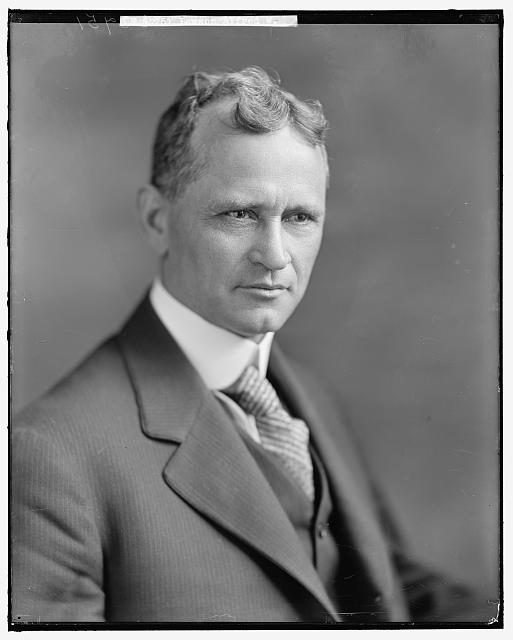
Alfred William Lawson (March 24, 1869 – November 29, 1954) was an English-born professional baseball player, aviator, and utopian philosopher. He played baseball, managed and promoted leagues from 1887 through 1916, and pioneered the U.S. aircraft industry. He also published two early aviation trade journals.
Lawson is frequently cited as the inventor of the airliner and received several of the first air mail contracts, which he ultimately did not fulfill. He founded the Lawson Aircraft Company in Green Bay, Wisconsin, to build military training aircraft and later the Lawson Airplane Company in South Milwaukee, Wisconsin, to build airliners.
The crash of his ambitious Lawson L-4 "Midnight Liner" during its trial flight takeoff on May 8, 1921, ended his best chance for commercial aviation success.
In 1904, he wrote a utopian novel, Born Again, in which he developed the philosophy which later became Lawsonomy.
Lawson made one start for the Boston Beaneaters and two for the Pittsburgh Alleghenys during the 1890 season. His minor league playing career lasted through 1895. Lawson later managed in the minors from 1905 to 1907.
In 1908, Lawson started a new professional baseball league called the Union Professional League. The league took the field in April but folded one month later because of financial difficulties.
An early aviation advocate, in October 1908, Lawson started the magazine Fly to stimulate public interest and educate readers on the new aviation science fundamentals. It sold for 10 cents a copy from newsstands across the country. In 1910, moving to New York City, he renamed the magazine Aircraft and published it until 1914. The magazine chronicled the technical developments of the early aviation pioneers.
Lawson was the first advocate for commercial air travel, coining the term "airline." He also advocated for a strong American flying force, lobbying Congress in 1913 to expand its appropriations for Army aircraft.
Alfred Lawson
Alfred William Lawson (March 24, 1869 – November 29, 1954) was an English-born professional baseball player, aviator, and utopian philosopher. He played baseball, managed and promoted leagues from 1887 through 1916, and pioneered the U.S. aircraft industry. He also published two early aviation trade journals.
Lawson is frequently cited as the inventor of the airliner and received several of the first air mail contracts, which he ultimately did not fulfill. He founded the Lawson Aircraft Company in Green Bay, Wisconsin, to build military training aircraft and later the Lawson Airplane Company in South Milwaukee, Wisconsin, to build airliners.
The crash of his ambitious Lawson L-4 "Midnight Liner" during its trial flight takeoff on May 8, 1921, ended his best chance for commercial aviation success.
In 1904, he wrote a utopian novel, Born Again, in which he developed the philosophy which later became Lawsonomy.
Lawson made one start for the Boston Beaneaters and two for the Pittsburgh Alleghenys during the 1890 season. His minor league playing career lasted through 1895. Lawson later managed in the minors from 1905 to 1907.
In 1908, Lawson started a new professional baseball league called the Union Professional League. The league took the field in April but folded one month later because of financial difficulties.
An early aviation advocate, in October 1908, Lawson started the magazine Fly to stimulate public interest and educate readers on the new aviation science fundamentals. It sold for 10 cents a copy from newsstands across the country. In 1910, moving to New York City, he renamed the magazine Aircraft and published it until 1914. The magazine chronicled the technical developments of the early aviation pioneers.
Lawson was the first advocate for commercial air travel, coining the term "airline." He also advocated for a strong American flying force, lobbying Congress in 1913 to expand its appropriations for Army aircraft.
Recent media
Recent media