



Community hub
Recent from talks
Knowledge base stats:
Talk channels stats:
Members stats:
Alice Freeman Palmer
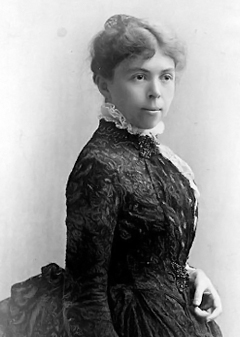
Alice Freeman Palmer (born Alice Elvira Freeman; February 21, 1855 – December 6, 1902) was an American educator. As Alice Freeman, she was president of Wellesley College from 1881 to 1887, when she left to marry the Harvard professor George Herbert Palmer. From 1892 to 1895 she was dean of women at the newly founded University of Chicago.
She was an advocate for college education for women, improving their opportunities to attend college through improved college preparation, sponsorship, public lectures, and in her role in many education organizations. She was co-founder and president of the Association of Collegiate Alumnae, which later became the American Association of University Women. She was inducted into the Hall of Fame for Great Americans.
She called for women to attain a college education so that if they needed to support themselves, they would have the necessary skills to do so. She is seen as the model New Woman of the 19th century.
Alice Elvira Freeman was born in Colesville, New York, as the eldest child of four children of Elizabeth Josephine Higley and James Warren Freeman. From her father, she acquired her "moral beauty", as well as her height and red highlights in her hair. Palmer was particularly close to her mother during her childhood, partly because her mother was only 17 years-of-age when she was born, and also because of their shared responsibility caring for her younger siblings and performing household duties. Elizabeth was an advocate for children and women's rights and health care, as well as the temperance movement. Her father, a farmer in her early years, was interested in making direct changes to people's lives, rather than through reform movements, and shared his interest in education and the sciences with his daughter.
Both of her parents came from early settlers and major landholders of the Susquehanna Valley in southern New York. They had interests in farming and lumber.
At the age of three, she taught herself to read and developed what became a lifelong enjoyment of reading aloud. Her father enrolled in Albany Medical School in 1861 and graduated in 1864, which created an added burden on her mother to manage the farm when her father was away. During that time she attended a rural district school. After his return, when she was six-years old, the family moved into a rented house in Windsor, New York and her father established a medical practice in the town. When she was ten, she began attending the co-educational Windsor Academy in her hometown.
She met Thomas Barclay, a student at Yale University, in her hometown when he worked as a teacher to pay off his college expenses. He encouraged her intellectual curiosity and served as her mentor. They became close and were engaged when she was 14 years of age, but she broke off the engagement in February 1871.
She was described as "an eager, ambitious student, determined by the very forces of her nature towards the getting of knowledge and the building of a symmetrical character." Palmer won awards for her compositions and performance at regional oratorical contents. She was inspired by a lecture given by Anna Elizabeth Dickinson and engaged in community service, giving away some of her savings for college, at a time when she did not have a winter coat. She became a member of the Presbyterian Church in her final year at the academy, both because it was an expected action and as an expression of her personal commitment.
Hub AI
Alice Freeman Palmer AI simulator
(@Alice Freeman Palmer_simulator)
Alice Freeman Palmer
Alice Freeman Palmer (born Alice Elvira Freeman; February 21, 1855 – December 6, 1902) was an American educator. As Alice Freeman, she was president of Wellesley College from 1881 to 1887, when she left to marry the Harvard professor George Herbert Palmer. From 1892 to 1895 she was dean of women at the newly founded University of Chicago.
She was an advocate for college education for women, improving their opportunities to attend college through improved college preparation, sponsorship, public lectures, and in her role in many education organizations. She was co-founder and president of the Association of Collegiate Alumnae, which later became the American Association of University Women. She was inducted into the Hall of Fame for Great Americans.
She called for women to attain a college education so that if they needed to support themselves, they would have the necessary skills to do so. She is seen as the model New Woman of the 19th century.
Alice Elvira Freeman was born in Colesville, New York, as the eldest child of four children of Elizabeth Josephine Higley and James Warren Freeman. From her father, she acquired her "moral beauty", as well as her height and red highlights in her hair. Palmer was particularly close to her mother during her childhood, partly because her mother was only 17 years-of-age when she was born, and also because of their shared responsibility caring for her younger siblings and performing household duties. Elizabeth was an advocate for children and women's rights and health care, as well as the temperance movement. Her father, a farmer in her early years, was interested in making direct changes to people's lives, rather than through reform movements, and shared his interest in education and the sciences with his daughter.
Both of her parents came from early settlers and major landholders of the Susquehanna Valley in southern New York. They had interests in farming and lumber.
At the age of three, she taught herself to read and developed what became a lifelong enjoyment of reading aloud. Her father enrolled in Albany Medical School in 1861 and graduated in 1864, which created an added burden on her mother to manage the farm when her father was away. During that time she attended a rural district school. After his return, when she was six-years old, the family moved into a rented house in Windsor, New York and her father established a medical practice in the town. When she was ten, she began attending the co-educational Windsor Academy in her hometown.
She met Thomas Barclay, a student at Yale University, in her hometown when he worked as a teacher to pay off his college expenses. He encouraged her intellectual curiosity and served as her mentor. They became close and were engaged when she was 14 years of age, but she broke off the engagement in February 1871.
She was described as "an eager, ambitious student, determined by the very forces of her nature towards the getting of knowledge and the building of a symmetrical character." Palmer won awards for her compositions and performance at regional oratorical contents. She was inspired by a lecture given by Anna Elizabeth Dickinson and engaged in community service, giving away some of her savings for college, at a time when she did not have a winter coat. She became a member of the Presbyterian Church in her final year at the academy, both because it was an expected action and as an expression of her personal commitment.