Hubbry Logo
search
logo
1620092

Alto Reed

logo
Community Hub0 Subscribers

Wikipedia

from Wikipedia

Key Information

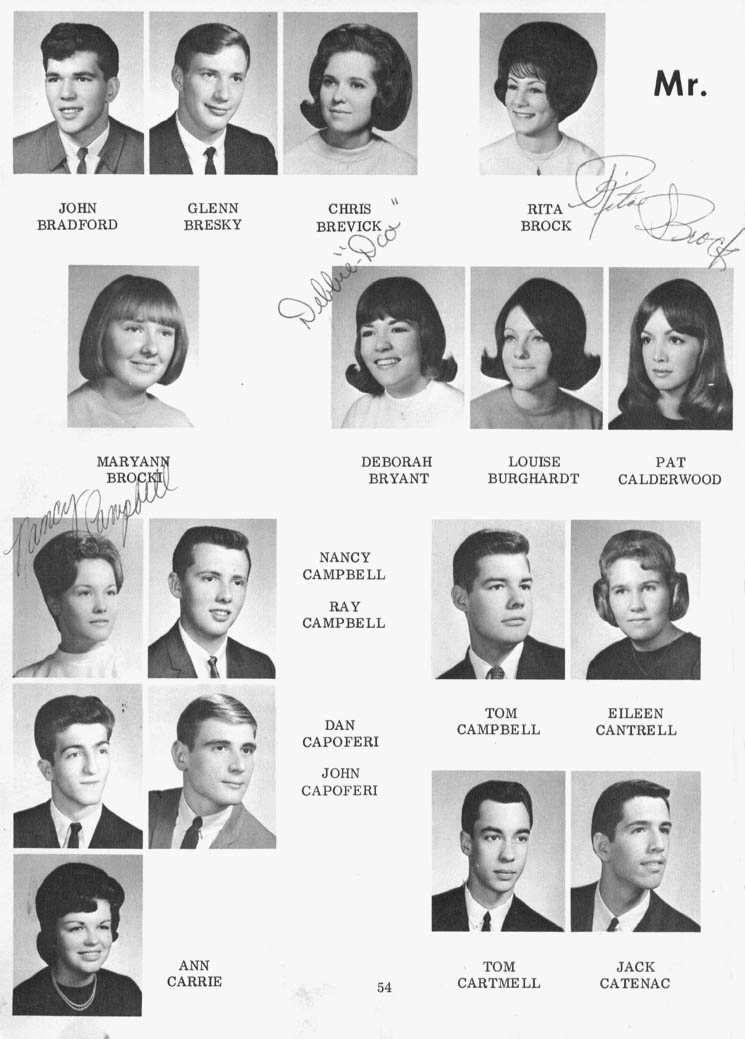
Alto Reed (born Thomas Neal Cartmell, May 16, 1948 – December 30, 2020)[1] was an American saxophonist best known as a long-time member of Bob Seger and the Silver Bullet Band[2][3] He was a 1966 graduate of Lake Shore High School in St. Clair Shores, Michigan.[4]

Career

[edit]

His most recognizable performances include the saxophone introduction to "Turn the Page"[5] and the saxophone solo in "Old Time Rock and Roll". Reed also recorded the soundtracks for two of Jeff Daniels' films, and performed with many bands and musicians, such as Foghat, Grand Funk Railroad, Little Feat, Otis Rush, Enchantment, Jamie Oldaker, George Terry, Dave Mason, Spencer Davis, Tico Torres, Dan Aykroyd, James Belushi, The Ventures, George Thorogood, Robin Gibb and in Romania with the band Holograf.[6]

After he attended a Rock & Roll Hall of Fame induction ceremony with Bob Seger & the Silver Bullet Band in 2004, Reed performed with The Ventures in 2008, and played at the Waldorf Astoria when the Ventures invited him to perform with them on "Hawaii Five-O", for their own induction into the Rock & Roll Hall of Fame.[6]

Reed and his band, The Blues Entourage, performed at the 2009 Jamaica Jazz and Blues Festival.[7] One of the members of the band, Steve Thorpe, died in August 2010.

The Reed & Dickinson Band (Alto Reed & Steve Dickinson, singer songwriter) has released an album Tonight We Ride, with musicians Jimmy McCarty and Johnny Badanjek, Jimmy Bones, Stephanie Eulinberg, lead guitarist Bobby East, Roger Noonan, Bernie Palo and Jeff Fawlkes.[8] Reed played at Canadian blues festivals including Windsor and London, Ontario, with his Motor City AllStars, composed of musicians Bernie Palo, Steve Byrnes and vocalist Kathleen Murray and the rhythm section from the 'Groove Council'.

In 1998, Reed, Ortheia Barnes, and Michael Brock of the Dramatics starred in a Sue Marx-produced tourism advertisement for the Detroit Convention Bureau titled "It's a Great Time in Detroit".[9]

Prior to joining Bob Seger and the Silver Bullet Band, Reed (as Tom Cartmell) was a member of the Lansing Michigan based band, Ormandy.

Reed toured with Bob Seger and the Silver Bullet Band for 42 years starting with Back In 72, Seger 7, Beautiful Loser, which finally led up to the multiplatinum, breakthrough album, Live Bullet, Night Moves, Stranger In Town, Against The Wind, Nine Tonight, Like a Rock, The Distance, The Fire Inside, A Very Special Xmas and several more including most recently, Ride Out.[3][10]

Reed most recently performed with Dave Mason, Steven Tyler, Pat Simmons and Michael McDonald, Fergie, Danny D, Lynda Carter, Alice Cooper & Band, at the December 31, 2016, New Year's Eve for the Shep Gordon Maui Food Bank Gala in Maui, Hawaii, raising enough money for 300,000 meals. Then again for the World Whale Watch Day Fundraiser in Maui, and with Mick Fleetwood at Mick's Lahaina Club plus, in March 2017, as a special guest with Willie K. at the Willie K. Bluesfest on Maui.

Honors, awards, distinctions

[edit]

On May 19, 2012, Reed was inducted into the Canadian Blues Hall of Fame in Windsor, Ontario, and headlined at blues festivals across Canada in summer 2012 including London, Ontario, on July 13 and Windsor, Ontario, on July 14, 2012.

Reed performed "The Star-Spangled Banner" before Game 4 of the American League championship series of Major League Baseball on October 12, 2011,[11] and before the Thanksgiving Day NFL game between the Detroit Lions and Houston Texans on November 22, 2012.[12] He was a regular in playing the American national anthem.[3]

Personal life and death

[edit]

Reed died of colorectal cancer on December 30, 2020. He was 72 years old.[1][2]

References

[edit]
[edit]

Grokipedia

from Grokipedia
Alto Reed (born Thomas Neal Cartmell; May 16, 1948 – December 30, 2020) was an American saxophonist renowned for his decades-long tenure with Bob Seger's Silver Bullet Band, where he provided iconic solos on hits like "Turn the Page" and "Old Time Rock and Roll."[1][2] Born in Detroit, Michigan, Reed—whose stage name derived from his primary instrument—began his musical career in the local scene, initially playing in the band Julia alongside future collaborator Bob Seger.[3] He joined Seger's backing group in 1973, contributing to the album Back in '72 and becoming a full-time member of the Silver Bullet Band following Seger's breakthrough 1974 performances at Detroit's Cobo Hall.[2] Over the next four decades, Reed toured extensively with Seger, performing on more than a dozen studio albums and delivering memorable live moments, including composing the signature saxophone riff for "Turn the Page" during a 1973 session at Leon Russell's studio.[3] Beyond his work with Seger, Reed collaborated with a range of artists, including Grand Funk Railroad, Steven Tyler, Ted Nugent, Little Feat, and Alice Cooper, showcasing his versatility on saxophone and other instruments like the bass saxophone and tambourine.[2] He released a solo album, Cool Breeze, in 1997 and composed original scores for films such as Escanaba in da Moonlight (1999) and Super Sucker (2002), both directed by Jeff Daniels.[2] Reed took a hiatus from touring with the band after 1987, during which he focused on raising his two daughters, and resumed touring with Seger starting in 1996, including the 2013 "Rock and Roll Never Forgets" tour.[3][4] Reed passed away on December 30, 2020, at the age of 72, after a battle with colon cancer, leaving a legacy as a pivotal figure in rock music's heartland sound.[2]

Early Life

Birth and Upbringing

Alto Reed was born Thomas Neal Cartmell on May 16, 1948, in Detroit, Michigan.[2][5] He grew up in the Detroit area, initially residing in the city before his family relocated to St. Clair Shores, a suburb known for its proximity to Lake St. Clair.[6][5] Details on his parents remain limited in public records, but he had at least one sibling, a sister named Nancy Neumann, who survived him.[5] His early years were shaped by the vibrant cultural environment of metropolitan Detroit, though specific familial influences on his interests are not well-documented. Cartmell attended Lake Shore High School in St. Clair Shores, graduating in 1966.[7] During this formative period, he developed an initial interest in music, inspired by a teacher who encouraged his creative pursuits.[2] This exposure through school activities laid the groundwork for his later musical endeavors in the local Detroit scene.

Musical Beginnings

Cartmell's initial training came through the structured environment of his high school band, where he focused on the saxophone. Immersed in the city's rich rock and blues heritage, he drew from Motown's rhythmic soul influences and the expressive jazz traditions prevalent in local clubs, shaping his versatile saxophone style that emphasized both technical precision and emotional depth.[5][8] By the late 1960s, Cartmell began performing early gigs in the Detroit area, contributing saxophone to local ensembles amid the vibrant club circuit that fostered Michigan's garage rock and R&B sounds. In the early 1970s, he joined the band Julia, where he first collaborated with future longtime partner Bob Seger.[3] He later joined the Lansing-based band Ormandy around 1970, a garage rock outfit that released singles like "The Banker" and "Living Alone," allowing him to gain experience through regional performances and session work in Michigan before transitioning to larger opportunities.[9] As he entered professional circles, Cartmell adopted the stage name "Alto Reed" to reflect his primary instrument and nod to the pseudonymous flair of experimental acts like Captain Beefheart's Magic Band, a change facilitated by emerging collaborations in the early 1970s.[10]

Professional Career

Work with Bob Seger

Alto Reed first collaborated with Bob Seger in 1971, providing saxophone on recording sessions for the 1973 album Back in '72, which included the track "Turn the Page."[2] This initial involvement marked the beginning of a partnership that would define much of Reed's career, with his contributions helping to shape Seger's emerging sound rooted in the Detroit rock scene.[3] By 1974, after Seger's inaugural headlining shows at Detroit's Cobo Hall, Reed transitioned from session work to becoming a full-time member of the Silver Bullet Band, solidifying his role as a core instrumentalist.[2][8] Reed's saxophone work became integral to the band's studio output, appearing on 14 Seger albums from Back in '72 onward, including pivotal releases such as Live Bullet (1976), Night Moves (1976), Stranger in Town (1978), and extending to the final studio effort Ride Out (2014).[8][11] His performances featured prominently on hits like the haunting opening solo in "Turn the Page," originally from Back in '72 but immortalized in the live recording on Live Bullet, and the energetic riff in "Old Time Rock and Roll" from Stranger in Town.[3][2] Seger himself credited Reed's "iconic performance on 'Turn the Page'" with elevating the band to national prominence, describing him as "the rock star" within the group.[2] In live settings, Reed's dynamic presence amplified the Silver Bullet Band's high-energy shows, where he performed at nearly every concert during active periods over the band's nearly 50-year run, though he took a hiatus from touring in the late 1980s to early 2010s to raise his family before rejoining for the 2013 tour, often drawing roars from audiences during his solos on tracks like "Mainstreet" and "Old Time Rock and Roll."[2][3] This onstage charisma was evident during major tours and milestone events, including the band's performance at Seger's 2004 Rock and Roll Hall of Fame induction ceremony, where Reed joined for renditions of classics like "Turn the Page."[8] Over time, Reed evolved from a hired session player into an indispensable band anchor, remaining one of only two constant members—alongside bassist Chris Campbell—through lineup changes and decades of touring.[2][12]

Other Collaborations

Throughout his career, Alto Reed engaged in extensive session work and guest appearances with numerous artists beyond his primary association with Bob Seger. In the 1970s and 1980s, he contributed saxophone to recordings by bands including Foghat, Grand Funk Railroad, Little Feat, The Ventures, George Thorogood and the Destroyers, Ted Nugent, Dave Mason, and Spencer Davis Group, as well as the Blues Brothers Band and Robin Gibb.[10][13] These collaborations showcased Reed's versatile style, blending rock, blues, and R&B influences across genres. In the 1970s, Reed relocated from his native Michigan to Miami, Florida, where he became immersed in the local music scene and established a lasting residence.[14] There, he formed and led The Blues Entourage, a band that performed regularly in South Florida venues and blended blues, jazz, and rock elements; the group notably headlined events such as a 2008 benefit concert at Hard Rock Cafe Miami in support of Yoko Ono's "Imagine All the Children" initiative.[15] The Blues Entourage also represented one of Reed's key side projects, allowing him to explore original material and leadership roles independent of larger ensembles. Reed extended his reach internationally through select performances, including a prominent appearance with The Blues Entourage at the 2009 Jamaica Jazz and Blues Festival in Montego Bay, where they shared the bill with acts like Lionel Richie and Joe Sample.[16] This event highlighted his draw as a bandleader in jazz and blues circuits. Additionally, in 2008, he joined The Ventures onstage at the Waldorf Astoria in New York for a rendition of their signature track "Hawaii Five-O," marking a nod to his admiration for instrumental rock pioneers.[17] On the recording front, Reed released his debut solo album, Cool Breeze, in 1997, a jazz-infused project featuring smooth saxophone leads over pop and R&B backings, produced and engineered by Reed himself.[18] Post-1980s, he ventured into film scoring, composing and performing on soundtracks for two Jeff Daniels features: Escanaba in da Moonlight (2001), where he co-wrote tracks like "Hard Luck Freeze," and Super Sucker (2002), contributing originals such as "My Iguana."[19][20] These efforts underscored Reed's adaptability in blending his rock roots with cinematic and contemporary sounds. He also contributed music to the 2013 film Santorini Blue, including the track "Sahara," and co-fronted the Reed & Dickinson Band, releasing the album Tonight We Ride in 2009.[21][22]

Honors and Legacy

Awards and Inductions

Alto Reed received formal recognition for his contributions to blues and rock music through several notable honors during his career. On May 19, 2012, he was inducted into the Canadian Blues Hall of Fame in Windsor, Ontario, by the Canada South Blues Society, acknowledging his influential saxophone work in blues-infused rock and his performances at Canadian blues festivals.[23] Reed's long-standing role with Bob Seger and the Silver Bullet Band also earned him indirect honors through the band's collective achievements. In 2004, he joined Seger and the Silver Bullet Band as inductees into the Rock & Roll Hall of Fame in Cleveland, Ohio, where he performed during the ceremony, highlighting his integral contributions to the group's sound over three decades.[24][25] While Reed did not receive separate lifetime achievement awards in Detroit's local music scene, his enduring tenure with the Silver Bullet Band—spanning nearly 50 years—underscored the significance of these inductions, cementing his legacy as a pivotal figure in rock saxophone performance.[26]

Notable Performances

Alto Reed was renowned for his dynamic performances of "The Star-Spangled Banner" at major sporting events in Detroit, showcasing his signature energetic saxophone style that captivated audiences.[27] He delivered a memorable rendition during the 2006 World Series between the Detroit Tigers and St. Louis Cardinals at Comerica Park. In 2011, Reed performed the anthem prior to Game 4 of the American League Championship Series (ALCS) between the Tigers and Texas Rangers on October 12.[28] Extending his ceremonial contributions to the NFL, he played the national anthem before the Detroit Lions' Thanksgiving Day game against the Houston Texans on November 22, 2012, infusing the piece with improvisational flair that highlighted his showmanship.[29] Beyond sports venues, Reed's live appearances included high-profile charitable and festival events that emphasized his versatility as a performer. At the 2016 New Year's Eve Shep Gordon Maui Food Bank Gala in Hawaii, he joined artists such as Dave Mason, Steven Tyler, and Alice Cooper, helping raise funds equivalent to 300,000 meals for the organization.[8] He returned to Maui for the World Whale Watch Day Fundraiser, again contributing his saxophone to support conservation efforts.[8] In a festival setting, Reed led his band, The Blues Entourage, at the 2009 Jamaica Jazz and Blues Festival in Montego Bay, where the ensemble delivered a set blending blues and jazz influences to an international audience.[30] Following Bob Seger's retirement from touring in 2019, Reed continued select live engagements, demonstrating his enduring passion for performance despite health challenges. In March 2017, he appeared as a special guest with Willie K. at the Willie K. Bluesfest on Maui, and earlier that year, he performed with Mick Fleetwood at Mick's Lahaina Club.[27] These post-Seger shows often featured Reed leading his own ensembles, such as the Motor City All-Stars, at blues festivals in the U.S. and Canada, where his improvisational solos—characterized by theatrical elements like stage slides and dual-saxophone playing—remained a highlight.[27]

Personal Life and Death

Family and Residence

Alto Reed was married to Monica Reed for 21 years.[6] He later entered a long-term partnership with Christiana Van Ryn, sharing a stepdaughter, Sophia Van Ryn.[19] Reed had two daughters, Chelsea Reed Radler and Victoria Reed, and was a grandfather to Harry Radler.[31] In the 1970s, Reed relocated to Miami, Florida, where he established his long-term residence and remained for the rest of his life.[14] This move to the coastal city provided a stable home base amid the touring demands of his career with Bob Seger and the Silver Bullet Band. The subtropical environment of Miami suited Reed's lifestyle, offering opportunities for relaxation and personal pursuits between professional commitments.[14] Reed pursued sailing as a favored hobby, a passion he shared with longtime friend Bob Seger, whom he taught to sail and nicknamed "Captain."[32] He also enjoyed exploring local dining spots during travels, enhancing his offstage experiences.[2] A devoted supporter of Detroit's sports teams despite his Florida residence, Reed frequently performed the national anthem at professional events, contributing to community traditions tied to his Michigan roots.[19] Reed's personal relationship with Bob Seger evolved into a profound friendship starting in 1971, marked by mutual respect and shared adventures beyond the stage.[32] Seger described Reed as "like a brother" and the "rock star" of the band, highlighting their close bond forged over nearly five decades.[19]

Illness and Passing

In 2020, Alto Reed was diagnosed with stage four colon cancer and waged a courageous battle against the disease.[10] Reed passed away on December 30, 2020, at the age of 72, at his home, surrounded by his family.[6] Bob Seger, his longtime bandmate, announced the news on social media, writing: "Alto passed away this morning at his home with his family by his side after fighting a courageous battle with colon cancer. Alto has been a part of our musical family, on and off stage, for nearly 50 years. He was our rock star. I loved him like a brother. He will be missed by all." The music community mourned Reed's loss with widespread tributes, praising his dynamic saxophone performances and enduring spirit.[33] Reed's daughters, Chelsea Reed Radler and Victoria Reed, shared: "Our hearts are deeply broken by this enormous loss, but also filled with gratitude as we reflect on his legacy."[6] In lieu of flowers, the family requested donations to the Detroit Harmony Academy, a music education program for inner-city youth.[6] Reed's death prompted reflections on his profound influence, particularly within the Silver Bullet Band; Seger later revealed that Reed's phone call about his diagnosis left him grappling with the band's future, stating he could not envision touring without his irreplaceable presence.[34]

References

User Avatar
No comments yet.