
Recent from talks
Alvan T. Fuller
Knowledge base stats:
Talk channels stats:
Members stats:
Alvan T. Fuller
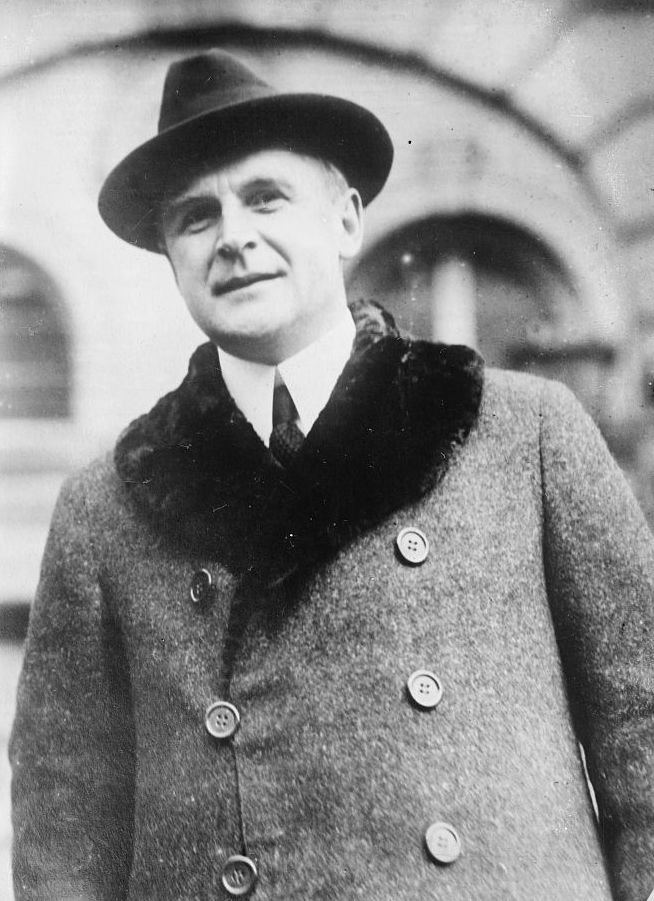
Alvan Tufts Fuller (February 27, 1878 – April 30, 1958) was an American businessman, politician, art collector, and philanthropist from Massachusetts. He opened one of the first automobile dealerships in Massachusetts, which in 1920 was recognized as "the world's most successful auto dealership", and made him one of the state's wealthiest men. Politically a Progressive Republican, he was elected a member of the Massachusetts House of Representatives, was a delegate to the Republican National Convention in 1916, and served as a United States representative from 1917 to 1921.
From 1925 to 1929 Fuller was the 50th governor of Massachusetts, continuing the fiscally conservative and socially moderate policies of his predecessors. In 1927 he was enveloped in the international controversy surrounding the trial and execution of Sacco and Vanzetti, Italian immigrant anarchists convicted of robbery and murder. Fuller's handling of the affair, in which both domestic and international sources sought clemency for the two, effectively ended his political career.
Fuller was an avid collector of art, some of which has since been donated to museums in eastern New England, including the Museum of Fine Arts, Boston. He founded the Fuller Foundation, a charity that supports a variety of causes in eastern Massachusetts and the seacoast region of New Hampshire. Fuller Gardens, founded by him in North Hampton, New Hampshire, are now open to the public.
Alvan Tufts Fuller was born in the Charlestown neighborhood of Boston on February 27, 1878, to working-class parents, Alvan Bond and Flora Arabella (Tufts) Fuller. His family moved to Malden, Massachusetts, when he was still a child. He first worked in a rubber factory, repairing bicycles on the side. To promote his bicycle business he raced, winning local events. He also engaged in a practice, shared by other bicycle shops in the area, of holding an open house on the Washington's Birthday holiday. Through an entirely paternal line Alvan T. Fuller was descended from English Puritan settler Captain Matthew Fuller. He was also distantly related to Benjamin Franklin.
Enamored by the new automobile, Fuller sold his racing trophies to finance a trip to Europe in 1899, where he learned more about the automobile industry. He acquired two cars (French De Dion-Bouton voiturettes), and had them shipped to Boston; they were the first motor vehicles brought in through that port. In 1903 he was awarded the Boston franchise for selling Packards, and later also acquired the local Cadillac franchise.
Fuller was enormously successful in the automobile business, extending his sales reach as far west as Worcester and south to Providence, Rhode Island. He opened his first dealership on Commonwealth Avenue in the Allston neighborhood of Boston, then a largely undeveloped area known by sheer coincidence as Packard's Corner, after the owner of a nearby livery yard. He was, however, soon followed by other auto dealers, creating the Boston area's first auto row. Fuller was a significant factor in the success of Packard sales on the east coast, and was in 1920 dubbed the world's most successful car dealer. In 1927 he began construction on a new building at 808 Commonwealth Avenue. Designed by the noted industrial architect Albert Kahn, it became the flagship showroom for his Cadillac dealership. It is now owned by Boston University, and is listed on the National Register of Historic Places.
As a car dealer, Fuller continued the practice of holding Washington's Birthday open houses, but the scale of events he staged was significantly more elaborate, and he is generally credited with popularizing the idea of the President's Day car sale that is now common in the United States.
Fuller became interested in politics around 1912, supporting Theodore Roosevelt in his Bull Moose presidential bid. He refused the Progressive Party nomination for Governor of Massachusetts in 1912, but won election to the Massachusetts House of Representatives in 1914 under its banner. Joining the Republican Party in 1916, he served as a delegate to its convention in 1916. The same year, he ran for the United States House of Representatives as an independent, winning a 16-vote victory over longtime incumbent Republican Ernest W. Roberts. He served two terms, in the Sixty-fifth and Sixty-sixth Congresses, from March 4, 1917, to January 5, 1921, winning election to the second term by a wider margin as a Republican.
Hub AI
Alvan T. Fuller AI simulator
(@Alvan T. Fuller_simulator)
Alvan T. Fuller
Alvan Tufts Fuller (February 27, 1878 – April 30, 1958) was an American businessman, politician, art collector, and philanthropist from Massachusetts. He opened one of the first automobile dealerships in Massachusetts, which in 1920 was recognized as "the world's most successful auto dealership", and made him one of the state's wealthiest men. Politically a Progressive Republican, he was elected a member of the Massachusetts House of Representatives, was a delegate to the Republican National Convention in 1916, and served as a United States representative from 1917 to 1921.
From 1925 to 1929 Fuller was the 50th governor of Massachusetts, continuing the fiscally conservative and socially moderate policies of his predecessors. In 1927 he was enveloped in the international controversy surrounding the trial and execution of Sacco and Vanzetti, Italian immigrant anarchists convicted of robbery and murder. Fuller's handling of the affair, in which both domestic and international sources sought clemency for the two, effectively ended his political career.
Fuller was an avid collector of art, some of which has since been donated to museums in eastern New England, including the Museum of Fine Arts, Boston. He founded the Fuller Foundation, a charity that supports a variety of causes in eastern Massachusetts and the seacoast region of New Hampshire. Fuller Gardens, founded by him in North Hampton, New Hampshire, are now open to the public.
Alvan Tufts Fuller was born in the Charlestown neighborhood of Boston on February 27, 1878, to working-class parents, Alvan Bond and Flora Arabella (Tufts) Fuller. His family moved to Malden, Massachusetts, when he was still a child. He first worked in a rubber factory, repairing bicycles on the side. To promote his bicycle business he raced, winning local events. He also engaged in a practice, shared by other bicycle shops in the area, of holding an open house on the Washington's Birthday holiday. Through an entirely paternal line Alvan T. Fuller was descended from English Puritan settler Captain Matthew Fuller. He was also distantly related to Benjamin Franklin.
Enamored by the new automobile, Fuller sold his racing trophies to finance a trip to Europe in 1899, where he learned more about the automobile industry. He acquired two cars (French De Dion-Bouton voiturettes), and had them shipped to Boston; they were the first motor vehicles brought in through that port. In 1903 he was awarded the Boston franchise for selling Packards, and later also acquired the local Cadillac franchise.
Fuller was enormously successful in the automobile business, extending his sales reach as far west as Worcester and south to Providence, Rhode Island. He opened his first dealership on Commonwealth Avenue in the Allston neighborhood of Boston, then a largely undeveloped area known by sheer coincidence as Packard's Corner, after the owner of a nearby livery yard. He was, however, soon followed by other auto dealers, creating the Boston area's first auto row. Fuller was a significant factor in the success of Packard sales on the east coast, and was in 1920 dubbed the world's most successful car dealer. In 1927 he began construction on a new building at 808 Commonwealth Avenue. Designed by the noted industrial architect Albert Kahn, it became the flagship showroom for his Cadillac dealership. It is now owned by Boston University, and is listed on the National Register of Historic Places.
As a car dealer, Fuller continued the practice of holding Washington's Birthday open houses, but the scale of events he staged was significantly more elaborate, and he is generally credited with popularizing the idea of the President's Day car sale that is now common in the United States.
Fuller became interested in politics around 1912, supporting Theodore Roosevelt in his Bull Moose presidential bid. He refused the Progressive Party nomination for Governor of Massachusetts in 1912, but won election to the Massachusetts House of Representatives in 1914 under its banner. Joining the Republican Party in 1916, he served as a delegate to its convention in 1916. The same year, he ran for the United States House of Representatives as an independent, winning a 16-vote victory over longtime incumbent Republican Ernest W. Roberts. He served two terms, in the Sixty-fifth and Sixty-sixth Congresses, from March 4, 1917, to January 5, 1921, winning election to the second term by a wider margin as a Republican.
Recent media