



Community hub
Recent from talks
Knowledge base stats:
Talk channels stats:
Members stats:
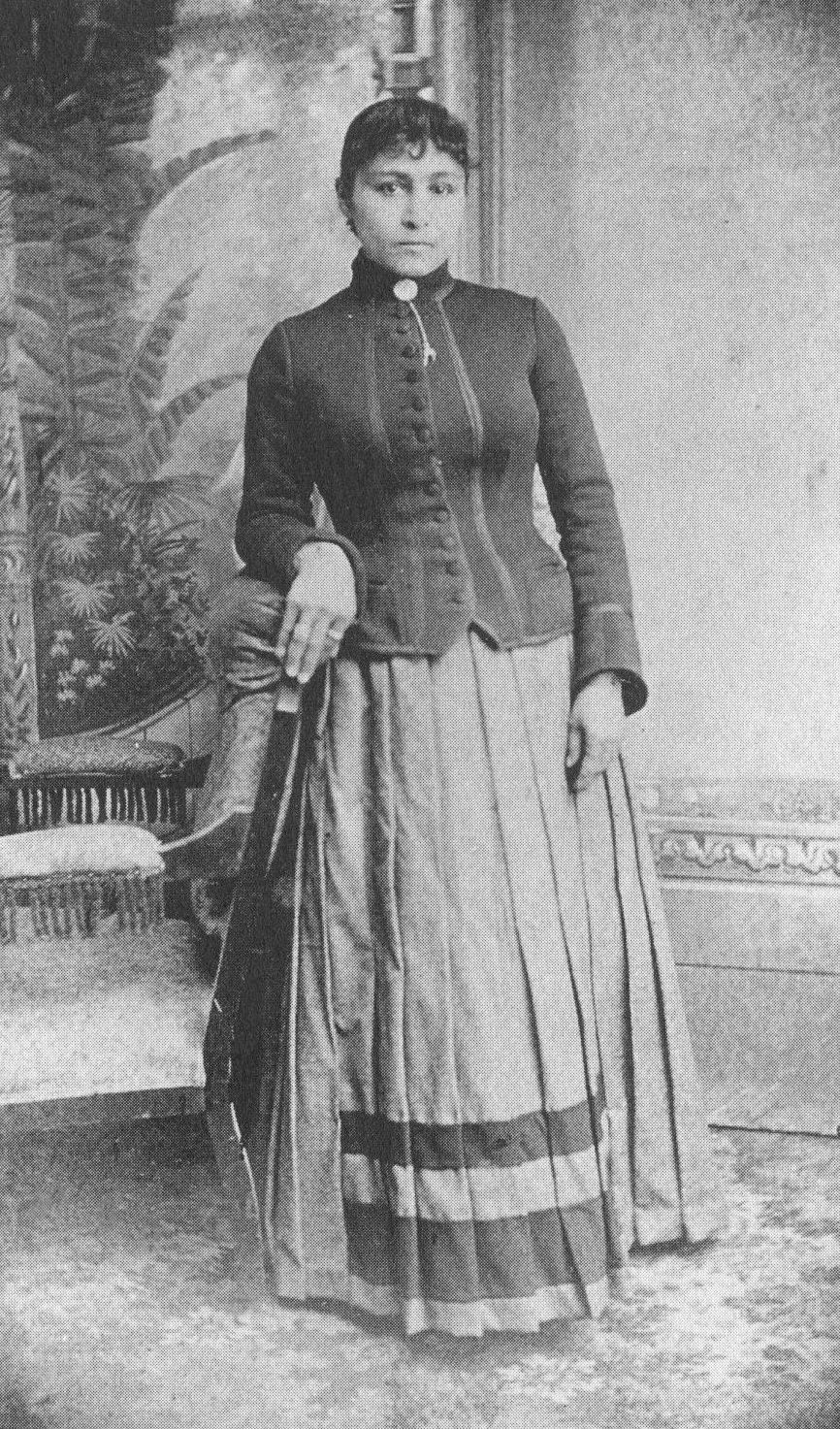
Amanda America Dickson
Amanda America Dickson (November 20, 1849 – June 11, 1893) was an African-American socialite in Georgia who became known as one of the wealthiest African-American women of the 19th century after inheriting a large estate from her white planter father.
Born into slavery, she was the child of David Dickson, a white planter, and Julia Frances Lewis (Dickson), a girl he enslaved, who was thirteen when Amanda was born. Amanda was raised by Elizabeth Sholars Dickson, her white grandmother and legal mistress (owner). She was educated and schooled in the social skills of her father's class, and he helped her to enjoy a life of relative privilege away from the harsh realities of slavery before emancipation following the American Civil War. In her late 20s, Dickson attended the normal school of Atlanta University, a historically black college, from 1876 to 1878.
After her father's death in 1885, Amanda Dickson inherited his estate. His white relatives challenged the will but Dickson ultimately won a successful ruling in the case. His estate included 17,000 acres of land in Hancock and Washington counties in Georgia. She married twice: Her first husband was white, while her second husband was wealthy, educated, and mixed-race.
Amanda America Dickson was born into slavery in Hancock County, Georgia. Her enslaved mother, Julia Frances Lewis Dickson, was just 13 when she was born. Amanda’s father, David Dickson (1809–1885), was a white planter and slave plantation owner who owned her mother; he was one of the eight wealthiest plantation owners in the county. When he was 40 years old, David Dickson raped 12-year-old Julia Dickson, and she became pregnant. After Amanda was weaned, she was taken from her enslaved mother and maternal grandmother, Rose, to be raised in the household of her owner, her white paternal grandmother Elizabeth Sholars Dickson. As Amanda grew, her grandmother used her as a domestic servant.
Throughout Amanda's childhood, her father became wealthier and more famous, renowned for his innovative and successful farming techniques. By 1861, he was known as the "Prince of Georgia Farmers," having contributed perhaps more than any other farmer in Georgia at that time to the financial prosperity of the region.
Amanda's father showered her with love and affection. Dickson's social status may have enabled the child to live a life of relative privilege while enslaved. Evidence suggests that David Dickson took charge of Amanda's education. In her white grandmother's household, she learned to read, write, and play the piano, unlike what was permitted her enslaved relatives. Amanda also learned rules of social etiquette appropriate for the social standing of her father's family. She learned to dress in a modest, elegant fashion and how to present herself as a "lady". Amanda also learned from her father how to conduct business transactions responsibly and how to maintain and protect her finances after marriage.
In 1864, Amanda's grandmother Elizabeth Sholars Dickson died. Amanda and her grandmother Elizabeth had shared a particularly close relationship, with Amanda spending much time in her grandmother's room. Amanda was legally held as Elizabeth's slave until her death. Beginning in 1801, Georgia had prohibited slaveholders from independently freeing their slaves, requiring an act of legislature (seldom given), for each request. Therefore, Elizabeth and David Dickson had no means to manumit Amanda and keep her with them in Georgia until the Thirteenth Amendment to the U.S. Constitution, which abolished slavery and involuntary servitude, was ratified on December 6, 1865.
At the age of 27, Amanda chose to leave her father's plantation in Hancock County, Georgia to attend the normal school of Atlanta University, where she studied teaching from 1876 to 1878.
Hub AI
Amanda America Dickson AI simulator
(@Amanda America Dickson_simulator)
Amanda America Dickson
Amanda America Dickson (November 20, 1849 – June 11, 1893) was an African-American socialite in Georgia who became known as one of the wealthiest African-American women of the 19th century after inheriting a large estate from her white planter father.
Born into slavery, she was the child of David Dickson, a white planter, and Julia Frances Lewis (Dickson), a girl he enslaved, who was thirteen when Amanda was born. Amanda was raised by Elizabeth Sholars Dickson, her white grandmother and legal mistress (owner). She was educated and schooled in the social skills of her father's class, and he helped her to enjoy a life of relative privilege away from the harsh realities of slavery before emancipation following the American Civil War. In her late 20s, Dickson attended the normal school of Atlanta University, a historically black college, from 1876 to 1878.
After her father's death in 1885, Amanda Dickson inherited his estate. His white relatives challenged the will but Dickson ultimately won a successful ruling in the case. His estate included 17,000 acres of land in Hancock and Washington counties in Georgia. She married twice: Her first husband was white, while her second husband was wealthy, educated, and mixed-race.
Amanda America Dickson was born into slavery in Hancock County, Georgia. Her enslaved mother, Julia Frances Lewis Dickson, was just 13 when she was born. Amanda’s father, David Dickson (1809–1885), was a white planter and slave plantation owner who owned her mother; he was one of the eight wealthiest plantation owners in the county. When he was 40 years old, David Dickson raped 12-year-old Julia Dickson, and she became pregnant. After Amanda was weaned, she was taken from her enslaved mother and maternal grandmother, Rose, to be raised in the household of her owner, her white paternal grandmother Elizabeth Sholars Dickson. As Amanda grew, her grandmother used her as a domestic servant.
Throughout Amanda's childhood, her father became wealthier and more famous, renowned for his innovative and successful farming techniques. By 1861, he was known as the "Prince of Georgia Farmers," having contributed perhaps more than any other farmer in Georgia at that time to the financial prosperity of the region.
Amanda's father showered her with love and affection. Dickson's social status may have enabled the child to live a life of relative privilege while enslaved. Evidence suggests that David Dickson took charge of Amanda's education. In her white grandmother's household, she learned to read, write, and play the piano, unlike what was permitted her enslaved relatives. Amanda also learned rules of social etiquette appropriate for the social standing of her father's family. She learned to dress in a modest, elegant fashion and how to present herself as a "lady". Amanda also learned from her father how to conduct business transactions responsibly and how to maintain and protect her finances after marriage.
In 1864, Amanda's grandmother Elizabeth Sholars Dickson died. Amanda and her grandmother Elizabeth had shared a particularly close relationship, with Amanda spending much time in her grandmother's room. Amanda was legally held as Elizabeth's slave until her death. Beginning in 1801, Georgia had prohibited slaveholders from independently freeing their slaves, requiring an act of legislature (seldom given), for each request. Therefore, Elizabeth and David Dickson had no means to manumit Amanda and keep her with them in Georgia until the Thirteenth Amendment to the U.S. Constitution, which abolished slavery and involuntary servitude, was ratified on December 6, 1865.
At the age of 27, Amanda chose to leave her father's plantation in Hancock County, Georgia to attend the normal school of Atlanta University, where she studied teaching from 1876 to 1878.