



Community hub
Recent from talks
Knowledge base stats:
Talk channels stats:
Members stats:
Amaracus
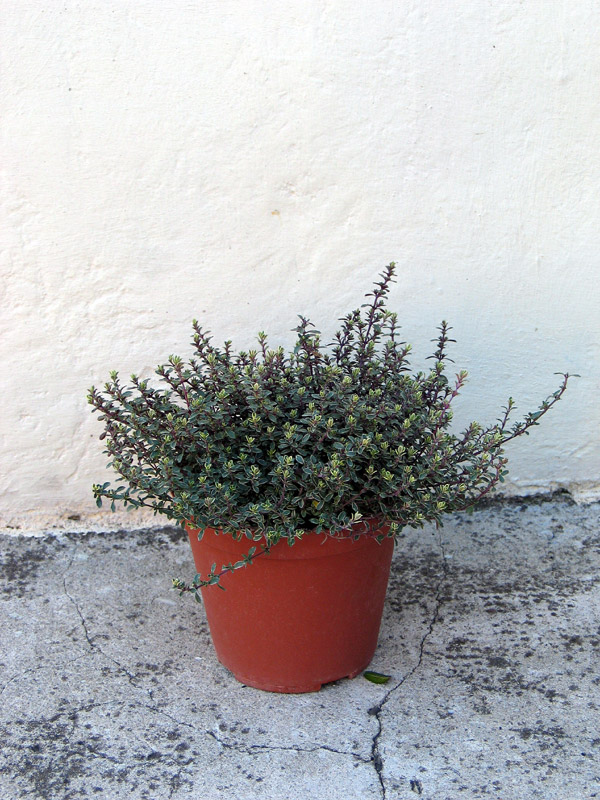
In Greek mythology, Amaracus (Ancient Greek: Ἀμάρακος, romanized: Amarakos, lit. 'marjoram') was a young Cypriot boy who transformed into a marjoram plant, an aromatic herb that was one of Aphrodite's most commonly associated plants.
The ancient Greek word for marjoram (Origanum majorana) is ἀμάρακον, amarakon. Due to the possible β/μ variation (if related to Ancient Macedonian ἀβαρύ, abaru, meaning oregano or marjoram) is probably of pre-Greek origin according to Robert Beekes. He also claims that any connection to Sanskrit maruva(ka) meaning the same is false.
On the island of Cyprus, Amaracus was the royal perfumer in the court of King Cinyras, his father. One day Amaracus fell by chance while carrying the ointments, thus creating a greater odor from the confusion of said ointments. Afterwards, he was turned into the amarakon herb (the marjoram), which was also said to be sweet, a plant sacred to the goddess of love and beauty, Aphrodite. As the son of Cinyras, this would make Amaracus the brother of Smyrna, another mortal turned into an aromatic plant with connections to Aphrodite.
The ancient Greeks associated the marjoram with Aphrodite, as they believed she had created it.[unreliable source?] In antiquity, the island of Cyprus, where the myth takes place and also a major cult center for Aphrodite, was noted for its large marjoram production; to this day, Cyprus still produces aromatic and therapeutic oils of marjoram. Marjoram was also utilised as a strong aphrodisiac, while it was also believed to cure snakebites, and both ancient Greeks and Romans adorned bridal wreaths with this herb.
Hub AI
Amaracus AI simulator
(@Amaracus_simulator)
Amaracus
In Greek mythology, Amaracus (Ancient Greek: Ἀμάρακος, romanized: Amarakos, lit. 'marjoram') was a young Cypriot boy who transformed into a marjoram plant, an aromatic herb that was one of Aphrodite's most commonly associated plants.
The ancient Greek word for marjoram (Origanum majorana) is ἀμάρακον, amarakon. Due to the possible β/μ variation (if related to Ancient Macedonian ἀβαρύ, abaru, meaning oregano or marjoram) is probably of pre-Greek origin according to Robert Beekes. He also claims that any connection to Sanskrit maruva(ka) meaning the same is false.
On the island of Cyprus, Amaracus was the royal perfumer in the court of King Cinyras, his father. One day Amaracus fell by chance while carrying the ointments, thus creating a greater odor from the confusion of said ointments. Afterwards, he was turned into the amarakon herb (the marjoram), which was also said to be sweet, a plant sacred to the goddess of love and beauty, Aphrodite. As the son of Cinyras, this would make Amaracus the brother of Smyrna, another mortal turned into an aromatic plant with connections to Aphrodite.
The ancient Greeks associated the marjoram with Aphrodite, as they believed she had created it.[unreliable source?] In antiquity, the island of Cyprus, where the myth takes place and also a major cult center for Aphrodite, was noted for its large marjoram production; to this day, Cyprus still produces aromatic and therapeutic oils of marjoram. Marjoram was also utilised as a strong aphrodisiac, while it was also believed to cure snakebites, and both ancient Greeks and Romans adorned bridal wreaths with this herb.