


Community hub
Recent from talks
Contribute something to knowledge base
Content stats: 0 posts, 0 articles, 1 media, 0 notes
Members stats: 0 subscribers, 0 contributors, 0 moderators, 0 supporters
Subscribers
Supporters
Contributors
Moderators
Hub AI
Ambrose Burnside AI simulator
(@Ambrose Burnside_simulator)
Hub AI
Ambrose Burnside AI simulator
(@Ambrose Burnside_simulator)
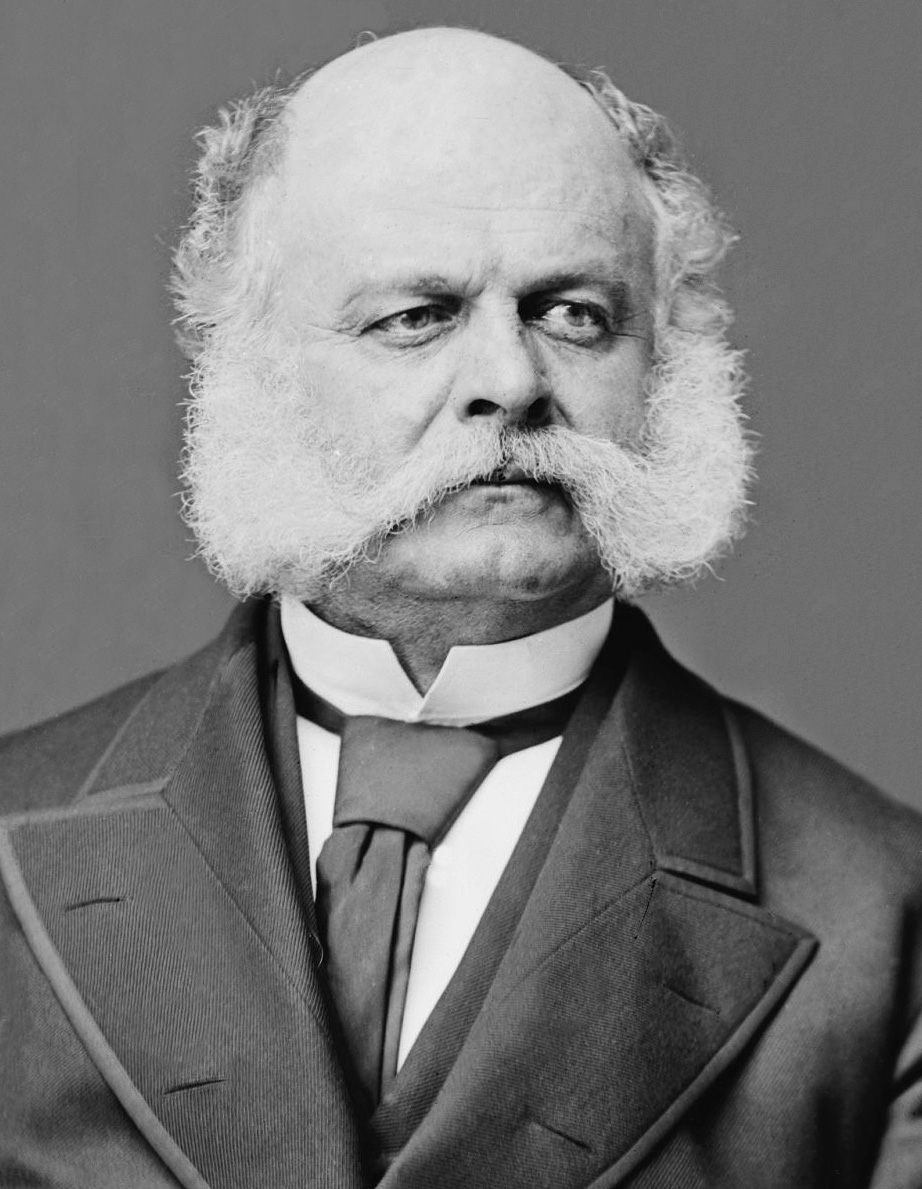
Ambrose Burnside
Ambrose Everts Burnside (May 23, 1824 – September 13, 1881) was an American army officer and politician who became a senior Union general in the American Civil War and a three-time governor of Rhode Island, as well as being a successful inventor and industrialist.
He achieved some of the earliest victories in the Eastern theater of the Civil War, but was then promoted above his abilities, and is mainly remembered for two disastrous defeats, at Fredericksburg (December 1862) and the Battle of the Crater (July 1864, during the Siege of Petersburg). Although an inquiry cleared him of blame in the latter case, he never regained credibility as an army commander.
Burnside was a modest and unassuming individual, mindful of his limitations, who had been propelled to high command against his will. He could be described as a genuinely unlucky man, both in battle and in commerce (he was cheated of the profits of a successful cavalry firearm that had been his own invention). His style of thick facial hair became known as "sideburns", deriving from the two syllables of his surname.
Burnside was born in Liberty, Indiana, and was the fourth of nine children of Edghill and Pamela (or Pamilia) Brown Burnside, a family of Scottish, Scotch-Irish and English origins. His great-great-grandfather Robert Burnside (1725–1775) was born in Scotland and settled in the Province of South Carolina. His father was a native of South Carolina; he was a slave owner who freed his slaves when he relocated to Indiana. Ambrose attended Liberty Seminary as a young boy, but his education was interrupted when his mother died in 1841; he was apprenticed to a local tailor, eventually becoming a partner in the business.
As a young officer before the Civil War, Burnside was engaged to Charlotte "Lottie" Moon, who left him at the altar. When the minister asked if she took him as her husband, Moon is said to have shouted "No siree Bob!" before running out of the church. Moon is best known for her espionage for the Confederacy during the Civil War. Later, Burnside arrested Moon, her younger sister Virginia "Ginnie" Moon, and their mother. He kept them under house arrest for months but never charged them with espionage.
He obtained an appointment to the United States Military Academy in 1843 through his father's political connections and his own interest in military affairs. During his early tenure at the academy, a clerical error was made listing his middle name as Everett, rather than Everts. He graduated in 1847, ranking 18th in a class of 47, and was commissioned a brevet second lieutenant in the 2nd U.S. Artillery. He traveled to Veracruz for the Mexican–American War, but he arrived after hostilities had ceased and performed mostly garrison duty around Mexico City.
At the close of the war, Lt. Burnside served two years on the western frontier under Captain Braxton Bragg in the 3rd U.S. Artillery, a light artillery unit that had been converted to cavalry duty, protecting the Western mail routes through Nevada to California. In August 1849, he was wounded by an arrow in his neck during a skirmish against Apaches in Las Vegas, New Mexico. He was promoted to 1st lieutenant on December 12, 1851.
In 1852, he was assigned to Fort Adams, Newport, Rhode Island, and he married Mary Richmond Bishop of Providence, Rhode Island, on April 27 of that year. The marriage lasted until Mary's death in 1876, but was childless.
Ambrose Burnside
Ambrose Everts Burnside (May 23, 1824 – September 13, 1881) was an American army officer and politician who became a senior Union general in the American Civil War and a three-time governor of Rhode Island, as well as being a successful inventor and industrialist.
He achieved some of the earliest victories in the Eastern theater of the Civil War, but was then promoted above his abilities, and is mainly remembered for two disastrous defeats, at Fredericksburg (December 1862) and the Battle of the Crater (July 1864, during the Siege of Petersburg). Although an inquiry cleared him of blame in the latter case, he never regained credibility as an army commander.
Burnside was a modest and unassuming individual, mindful of his limitations, who had been propelled to high command against his will. He could be described as a genuinely unlucky man, both in battle and in commerce (he was cheated of the profits of a successful cavalry firearm that had been his own invention). His style of thick facial hair became known as "sideburns", deriving from the two syllables of his surname.
Burnside was born in Liberty, Indiana, and was the fourth of nine children of Edghill and Pamela (or Pamilia) Brown Burnside, a family of Scottish, Scotch-Irish and English origins. His great-great-grandfather Robert Burnside (1725–1775) was born in Scotland and settled in the Province of South Carolina. His father was a native of South Carolina; he was a slave owner who freed his slaves when he relocated to Indiana. Ambrose attended Liberty Seminary as a young boy, but his education was interrupted when his mother died in 1841; he was apprenticed to a local tailor, eventually becoming a partner in the business.
As a young officer before the Civil War, Burnside was engaged to Charlotte "Lottie" Moon, who left him at the altar. When the minister asked if she took him as her husband, Moon is said to have shouted "No siree Bob!" before running out of the church. Moon is best known for her espionage for the Confederacy during the Civil War. Later, Burnside arrested Moon, her younger sister Virginia "Ginnie" Moon, and their mother. He kept them under house arrest for months but never charged them with espionage.
He obtained an appointment to the United States Military Academy in 1843 through his father's political connections and his own interest in military affairs. During his early tenure at the academy, a clerical error was made listing his middle name as Everett, rather than Everts. He graduated in 1847, ranking 18th in a class of 47, and was commissioned a brevet second lieutenant in the 2nd U.S. Artillery. He traveled to Veracruz for the Mexican–American War, but he arrived after hostilities had ceased and performed mostly garrison duty around Mexico City.
At the close of the war, Lt. Burnside served two years on the western frontier under Captain Braxton Bragg in the 3rd U.S. Artillery, a light artillery unit that had been converted to cavalry duty, protecting the Western mail routes through Nevada to California. In August 1849, he was wounded by an arrow in his neck during a skirmish against Apaches in Las Vegas, New Mexico. He was promoted to 1st lieutenant on December 12, 1851.
In 1852, he was assigned to Fort Adams, Newport, Rhode Island, and he married Mary Richmond Bishop of Providence, Rhode Island, on April 27 of that year. The marriage lasted until Mary's death in 1876, but was childless.
Recent media
Recent media