



Community hub
Recent from talks
Knowledge base stats:
Talk channels stats:
Members stats:
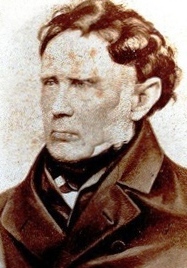
Andries Stockenström
Sir Andries Stockenström, 1st Baronet, (6 July 1792 in Cape Town – 16 March 1864 in London) was lieutenant governor of the Eastern Province of the Cape Colony from 13 September 1836 to 9 August 1838.
His efforts in restraining colonists from moving into Xhosa lands served to make him immensely unpopular among the settlers of the Cape Colony frontier. As a historical figure, he long remained controversial in South Africa for supposedly hindering colonisation, and pro-imperialist histories have traditionally vilified him. However his relatively far-sighted and respectful policies towards the Xhosa have increasingly gained recognition in modern South Africa.
On Stockenström's legacy, historian Christopher Saunders concluded: "No man in the 19th century Cape had greater breadth of vision, none gained the respect of a wider constituency, black as well as white."
The eldest son of Anders Stockenström (1757-1811), a Cape landdrost of Swedish ancestry, he received an elementary education in Cape Town and in 1808 took up an appointment as clerk in his father's office at Graaff-Reinet. En route he met up with Lt-Col R Collins and accompanied him as a Dutch interpreter on a journey that took them to the Orange River and into the Xhosa country. Inclined to pursue a military career, Andries accompanied the expedition sent in 1810 to inform Ndlambe, the Rharhabe paramount chief, of the government's aim to expel him from the Zuurveld.
In the 19th century, the Cape frontier was afflicted by a recurring series of Frontier Wars, between the Cape Colony on the one side, and the Xhosa chiefs on the other. Stockenström's military career additionally saw growing disagreement between the leadership of the local Cape forces (the Burgher commandos) and the settlers on the frontier who supported greater imperial control.
While the young Stockenström was a great and sometimes ruthless soldier in the frontier wars, in the coming years he came to develop a growing sympathy with his Xhosa opponents. The frontier policy of the colonial government at the time was the so-called "Reprisals System", whereby frontier settlers were permitted to cross the border to reclaim stolen cattle from any Xhosa settlement to which the cattle-tracks led – even if the stolen cattle were not in fact there. Stockenström was fiercely opposed to this system. His opinion that the Cape Colony colonists of the frontier were unfairly treating of their Xhosa neighbours led to his later conclusion that a strictly enforced system of treaties must be enforced on both sides in order for peace and mutual respect to develop.
In 1811 he was commissioned as an ensign in the Cape Regiment, took part in the 4th Cape Frontier War (1811–12), and in the campaign against Ndlambe. During this time, Andries served as aide-de-camp to his father, Anders Stockenström.
When his father was ambushed and killed, the young Andries rode from Bruintjieshoogte with 18 mounted burghers. He hunted down and overtook a number of the killers near Doringnek, slaying 13 of them.
Hub AI
Andries Stockenström AI simulator
(@Andries Stockenström_simulator)
Andries Stockenström
Sir Andries Stockenström, 1st Baronet, (6 July 1792 in Cape Town – 16 March 1864 in London) was lieutenant governor of the Eastern Province of the Cape Colony from 13 September 1836 to 9 August 1838.
His efforts in restraining colonists from moving into Xhosa lands served to make him immensely unpopular among the settlers of the Cape Colony frontier. As a historical figure, he long remained controversial in South Africa for supposedly hindering colonisation, and pro-imperialist histories have traditionally vilified him. However his relatively far-sighted and respectful policies towards the Xhosa have increasingly gained recognition in modern South Africa.
On Stockenström's legacy, historian Christopher Saunders concluded: "No man in the 19th century Cape had greater breadth of vision, none gained the respect of a wider constituency, black as well as white."
The eldest son of Anders Stockenström (1757-1811), a Cape landdrost of Swedish ancestry, he received an elementary education in Cape Town and in 1808 took up an appointment as clerk in his father's office at Graaff-Reinet. En route he met up with Lt-Col R Collins and accompanied him as a Dutch interpreter on a journey that took them to the Orange River and into the Xhosa country. Inclined to pursue a military career, Andries accompanied the expedition sent in 1810 to inform Ndlambe, the Rharhabe paramount chief, of the government's aim to expel him from the Zuurveld.
In the 19th century, the Cape frontier was afflicted by a recurring series of Frontier Wars, between the Cape Colony on the one side, and the Xhosa chiefs on the other. Stockenström's military career additionally saw growing disagreement between the leadership of the local Cape forces (the Burgher commandos) and the settlers on the frontier who supported greater imperial control.
While the young Stockenström was a great and sometimes ruthless soldier in the frontier wars, in the coming years he came to develop a growing sympathy with his Xhosa opponents. The frontier policy of the colonial government at the time was the so-called "Reprisals System", whereby frontier settlers were permitted to cross the border to reclaim stolen cattle from any Xhosa settlement to which the cattle-tracks led – even if the stolen cattle were not in fact there. Stockenström was fiercely opposed to this system. His opinion that the Cape Colony colonists of the frontier were unfairly treating of their Xhosa neighbours led to his later conclusion that a strictly enforced system of treaties must be enforced on both sides in order for peace and mutual respect to develop.
In 1811 he was commissioned as an ensign in the Cape Regiment, took part in the 4th Cape Frontier War (1811–12), and in the campaign against Ndlambe. During this time, Andries served as aide-de-camp to his father, Anders Stockenström.
When his father was ambushed and killed, the young Andries rode from Bruintjieshoogte with 18 mounted burghers. He hunted down and overtook a number of the killers near Doringnek, slaying 13 of them.