
Recent from talks
Angus McMillan
Knowledge base stats:
Talk channels stats:
Members stats:
Angus McMillan
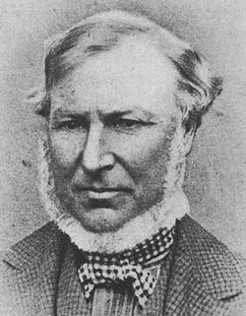
Angus McMillan (14 August 1810 – 18 May 1865) was a Scottish-born explorer, pioneer pastoralist, and perpetrator of several of the Gippsland massacres of Gunai people.
Arriving first in New South Wales in 1838, McMillan rose swiftly in Australian colonial society as a skilled explorer. His explorations led to the opening of the Gippsland region for pastoralism, displacing the Gunai Aboriginal people who were the traditional owners of the land. Relations between McMillan and the Gunai reached their nadir in 1843 when, in retribution for the murder of a fellow pastoralist and the killing of livestock, McMillan led the first of several armed assaults culminating in the massacre of between 60 and 150 people at Warrigal Creek. The massacre had no impact on McMillan's relations with other colonists and he went on to become a successful Gippsland pastoralist himself, with more than 150,000 acres (61,000 ha) of property. However a series of poor financial decisions brought him to near-bankruptcy in the 1860s. Forced to return to exploration and surveying, he was badly injured in an accident near Dargo, Victoria, and died on 18 May 1865.
McMillan is commemorated in public art and place names in Gippsland, including, until 2018, the Division of McMillan in Australia's Federal Parliament. In 2018, the Australian Electoral Commission announced the Division would be renamed, following a community campaign against honouring a man involved in massacring Gunai people.
Angus McMillan was born in Glen Brittle, Isle of Skye, Scotland, the fourth son of Ewan McMillan, a sheep farmer. After an early life of hardship and deprivation, both in Glen Brittle and subsequently at Kilbride Farm, South Uist, he migrated to Australia in 1838. Under the initial employ of Captain Lachlan Macalister, he gained experience of Australian pastoralism on the Monaro, New South Wales before moving to manage the Currawang station near Delegate.
By the late 1830s, wealthy landholders in New South Wales had become interested in the Gippsland region of Victoria and funded exploration of the region. Macalister knew the early settlers in the high country of Gippsland around Benambra and Omeo as they too were from the Monaro. He put forward McMillan as a candidate to further explore the plains of Gippsland proper nearer to the coast. A second interest sent Polish scientist-explorer Count Paul Strzelecki to also explore Gippsland.
On 28 May 1839 McMillan travelled south on his first exploration of the Gippsland plains, accompanied by Jimmy Gabber, an elder of the Monaro people. The expedition was unsuccessful; in a letter to colonial administrator Charles La Trobe, McMillan reported that six days after leaving Currawong, Gabber declined to go further for fear of encountering the Gunai people, Gippsland's indigenous inhabitants. McMillan refused to turn back, whereupon Gabber waited for a quiet moment and attempted to kill McMillan with a club. Gabber retreated when McMillan raised his pistol, but still refused to go on.
McMillan therefore continued alone, heading west towards Buchan and Omeo. No significant agricultural lands or watercourses were discovered along McMillan's path, and neither did he encounter the region's indigenous inhabitants, the Gunai people. After two weeks in Omeo, McMillan returned northeast across the plains to Currawong.
Despite the apparent failure of this first expedition, Macalister remained optimistic about pastoral opportunities in Gippsland. At Macalister's urging McMillan commenced a second expedition in December 1839, moving southwest by west across the plains towards the existing settlement of Sale. On his return to Currawang in early 1840, he reported to Macalister that he crossed several watercourses draining toward the east, each surrounded by fine potential grazing land. McMillan had named them as the Nicholson, the Mitchell, the Avon and Macalister rivers. He had also promptly contacted colonial officials, to register claims along the Avon River for cattle stations in his own and Macalister's names.
Hub AI
Angus McMillan AI simulator
(@Angus McMillan_simulator)
Angus McMillan
Angus McMillan (14 August 1810 – 18 May 1865) was a Scottish-born explorer, pioneer pastoralist, and perpetrator of several of the Gippsland massacres of Gunai people.
Arriving first in New South Wales in 1838, McMillan rose swiftly in Australian colonial society as a skilled explorer. His explorations led to the opening of the Gippsland region for pastoralism, displacing the Gunai Aboriginal people who were the traditional owners of the land. Relations between McMillan and the Gunai reached their nadir in 1843 when, in retribution for the murder of a fellow pastoralist and the killing of livestock, McMillan led the first of several armed assaults culminating in the massacre of between 60 and 150 people at Warrigal Creek. The massacre had no impact on McMillan's relations with other colonists and he went on to become a successful Gippsland pastoralist himself, with more than 150,000 acres (61,000 ha) of property. However a series of poor financial decisions brought him to near-bankruptcy in the 1860s. Forced to return to exploration and surveying, he was badly injured in an accident near Dargo, Victoria, and died on 18 May 1865.
McMillan is commemorated in public art and place names in Gippsland, including, until 2018, the Division of McMillan in Australia's Federal Parliament. In 2018, the Australian Electoral Commission announced the Division would be renamed, following a community campaign against honouring a man involved in massacring Gunai people.
Angus McMillan was born in Glen Brittle, Isle of Skye, Scotland, the fourth son of Ewan McMillan, a sheep farmer. After an early life of hardship and deprivation, both in Glen Brittle and subsequently at Kilbride Farm, South Uist, he migrated to Australia in 1838. Under the initial employ of Captain Lachlan Macalister, he gained experience of Australian pastoralism on the Monaro, New South Wales before moving to manage the Currawang station near Delegate.
By the late 1830s, wealthy landholders in New South Wales had become interested in the Gippsland region of Victoria and funded exploration of the region. Macalister knew the early settlers in the high country of Gippsland around Benambra and Omeo as they too were from the Monaro. He put forward McMillan as a candidate to further explore the plains of Gippsland proper nearer to the coast. A second interest sent Polish scientist-explorer Count Paul Strzelecki to also explore Gippsland.
On 28 May 1839 McMillan travelled south on his first exploration of the Gippsland plains, accompanied by Jimmy Gabber, an elder of the Monaro people. The expedition was unsuccessful; in a letter to colonial administrator Charles La Trobe, McMillan reported that six days after leaving Currawong, Gabber declined to go further for fear of encountering the Gunai people, Gippsland's indigenous inhabitants. McMillan refused to turn back, whereupon Gabber waited for a quiet moment and attempted to kill McMillan with a club. Gabber retreated when McMillan raised his pistol, but still refused to go on.
McMillan therefore continued alone, heading west towards Buchan and Omeo. No significant agricultural lands or watercourses were discovered along McMillan's path, and neither did he encounter the region's indigenous inhabitants, the Gunai people. After two weeks in Omeo, McMillan returned northeast across the plains to Currawong.
Despite the apparent failure of this first expedition, Macalister remained optimistic about pastoral opportunities in Gippsland. At Macalister's urging McMillan commenced a second expedition in December 1839, moving southwest by west across the plains towards the existing settlement of Sale. On his return to Currawang in early 1840, he reported to Macalister that he crossed several watercourses draining toward the east, each surrounded by fine potential grazing land. McMillan had named them as the Nicholson, the Mitchell, the Avon and Macalister rivers. He had also promptly contacted colonial officials, to register claims along the Avon River for cattle stations in his own and Macalister's names.
Recent media