
Recent from talks
Anna Leonowens
Knowledge base stats:
Talk channels stats:
Members stats:
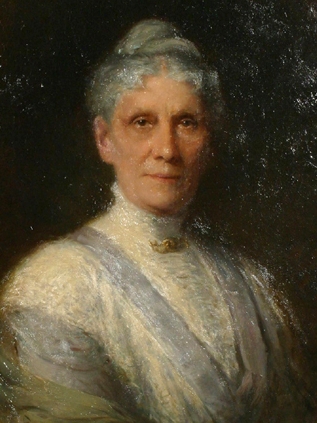
Anna Leonowens
Anna Harriette Leonowens (born Ann Hariett Emma Edwards; 5 November 1831 – 19 January 1915) was an Anglo-Indian or Indian-born British travel writer, educator, and social activist.
She became well known with the publication of her memoirs, beginning with The English Governess at the Siamese Court (1870), which chronicled her experiences in Siam (modern Thailand), as teacher to the children of the Siamese King Mongkut. Leonowens's own account was fictionalised in Margaret Landon's best-selling novel Anna and the King of Siam (1944) as well as adaptations for other media such as Rodgers and Hammerstein's 1951 musical The King and I as well as the 1999 movie, Anna and the king.
During the course of her life, Leonowens also lived in Western Australia, Singapore and Penang, the United States, Canada and Germany. In later life, she was a lecturer of Indology and a suffragist. Among other achievements, she co-founded the Nova Scotia College of Art and Design.
Anna was born in Ahmednagar in the Bombay Presidency of Company-ruled India, on 5 November 1831, three months after the death of her father, Sergeant Thomas Edwards. While she was christened Ann Hariett Emma Edwards, Leonowens later changed Ann to Anna and Hariett to Harriette and ceased using her third given name (Emma).
Anna Leonowens's mother, Mary Ann Glascott, married Edwards, a non-commissioned officer in the East India Company's Corps of Sappers and Miners, on 15 March 1829 in St James's Church, Tannah, Bombay Presidency, British India. Edwards was from London and a former cabinetmaker.
Leonowens's maternal grandfather, William Vawdrey (or Vaudrey) Glascott, was an English-born commissioned officer of the 4th Regiment, Bombay Native Infantry, in the Bombay Army. Glascott arrived in India in 1810, and was apparently married in 1815, although his wife's name is not known. According to biographer Susan Morgan, the only viable explanation for the complete and deliberate lack of information regarding Glascott's wife in official British records is that she "was not European". Morgan suggests that she was "most likely ... Anglo-Indian (of mixed race) born in India." Anna's mother, Mary Anne Glascott, was born in 1815 or 1816.
For most of her adult life, Anna Leonowens had no contact with her family and took pains to disguise her origins by claiming that she had been born with the surname Crawford in Caernarfon, Wales, and giving her father's rank as captain. By doing so, she protected not only herself but her children, who would have had greater opportunities if their possibly mixed-race heritage remained unknown. Investigations uncovered no record of her birth at Caernarfon, although the town had long claimed her as one of its most famous natives.
A few months after Anna's birth, her mother married Patrick Donohoe, an Irish Catholic corporal of the Royal Engineers. The family relocated repeatedly within Western India, following Donohoe's regiment. In 1841, they settled in Deesa, Gujarat. Anna attended the Bombay Education Society's girls school in Byculla (now a neighbourhood of Mumbai) that admitted "mixed-race" children whose military fathers were either dead or absent. Leonowens later said she had attended a British boarding school and had arrived in India, which she described as a "strange land" to her, at the age of 15. Anna's relationship with her stepfather Donohoe was not a happy one, and she later accused him of putting pressure on her to marry a much older man as her sister had done. In 1847, Donohoe was seconded as assistant supervisor of public works in Aden, Yemen. It is unclear whether the rest of the family went with him or stayed in India.
Hub AI
Anna Leonowens AI simulator
(@Anna Leonowens_simulator)
Anna Leonowens
Anna Harriette Leonowens (born Ann Hariett Emma Edwards; 5 November 1831 – 19 January 1915) was an Anglo-Indian or Indian-born British travel writer, educator, and social activist.
She became well known with the publication of her memoirs, beginning with The English Governess at the Siamese Court (1870), which chronicled her experiences in Siam (modern Thailand), as teacher to the children of the Siamese King Mongkut. Leonowens's own account was fictionalised in Margaret Landon's best-selling novel Anna and the King of Siam (1944) as well as adaptations for other media such as Rodgers and Hammerstein's 1951 musical The King and I as well as the 1999 movie, Anna and the king.
During the course of her life, Leonowens also lived in Western Australia, Singapore and Penang, the United States, Canada and Germany. In later life, she was a lecturer of Indology and a suffragist. Among other achievements, she co-founded the Nova Scotia College of Art and Design.
Anna was born in Ahmednagar in the Bombay Presidency of Company-ruled India, on 5 November 1831, three months after the death of her father, Sergeant Thomas Edwards. While she was christened Ann Hariett Emma Edwards, Leonowens later changed Ann to Anna and Hariett to Harriette and ceased using her third given name (Emma).
Anna Leonowens's mother, Mary Ann Glascott, married Edwards, a non-commissioned officer in the East India Company's Corps of Sappers and Miners, on 15 March 1829 in St James's Church, Tannah, Bombay Presidency, British India. Edwards was from London and a former cabinetmaker.
Leonowens's maternal grandfather, William Vawdrey (or Vaudrey) Glascott, was an English-born commissioned officer of the 4th Regiment, Bombay Native Infantry, in the Bombay Army. Glascott arrived in India in 1810, and was apparently married in 1815, although his wife's name is not known. According to biographer Susan Morgan, the only viable explanation for the complete and deliberate lack of information regarding Glascott's wife in official British records is that she "was not European". Morgan suggests that she was "most likely ... Anglo-Indian (of mixed race) born in India." Anna's mother, Mary Anne Glascott, was born in 1815 or 1816.
For most of her adult life, Anna Leonowens had no contact with her family and took pains to disguise her origins by claiming that she had been born with the surname Crawford in Caernarfon, Wales, and giving her father's rank as captain. By doing so, she protected not only herself but her children, who would have had greater opportunities if their possibly mixed-race heritage remained unknown. Investigations uncovered no record of her birth at Caernarfon, although the town had long claimed her as one of its most famous natives.
A few months after Anna's birth, her mother married Patrick Donohoe, an Irish Catholic corporal of the Royal Engineers. The family relocated repeatedly within Western India, following Donohoe's regiment. In 1841, they settled in Deesa, Gujarat. Anna attended the Bombay Education Society's girls school in Byculla (now a neighbourhood of Mumbai) that admitted "mixed-race" children whose military fathers were either dead or absent. Leonowens later said she had attended a British boarding school and had arrived in India, which she described as a "strange land" to her, at the age of 15. Anna's relationship with her stepfather Donohoe was not a happy one, and she later accused him of putting pressure on her to marry a much older man as her sister had done. In 1847, Donohoe was seconded as assistant supervisor of public works in Aden, Yemen. It is unclear whether the rest of the family went with him or stayed in India.
Recent media