
Recent from talks
Anni-Frid Lyngstad
Knowledge base stats:
Talk channels stats:
Members stats:
Anni-Frid Lyngstad
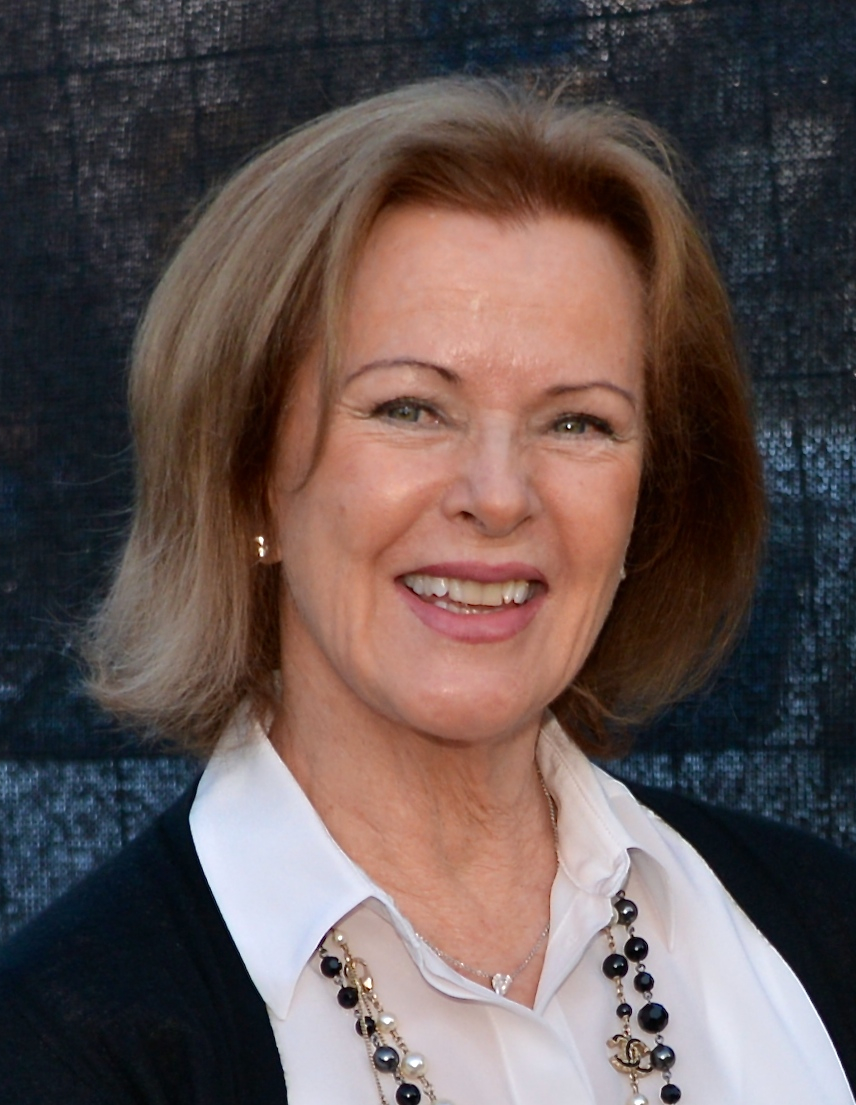
Anni-Frid Synni Lyngstad (born 15 November 1945), also known simply as Frida, is a Norwegian-born Swedish singer who is best known as one of the founding members and lead singers of the pop band ABBA.
Born in Bjørkåsen (Ballangen Municipality), Norway, to a Norwegian mother and a German father, she grew up in Torshälla, Sweden.
Lyngstad found international fame when she joined ABBA, who have sold over 400 million records (albums and singles) worldwide, making the group, which included her second husband Benny Andersson, one of the best-selling music acts in history.
After the breakup of ABBA, she continued an international solo singing career with mixed success, before retiring from music.
Anni-Frid Synni Lyngstad was born to Synni Lyngstad and German soldier Alfred Haase on 15 November 1945 in Bjørkåsen, a small village in Ballangen Municipality in northern Norway. Fearing reprisal for conceiving a child with a German during Norway's wartime occupation, Synni left Bjørkåsen in 1947 with her mother Arntine and the infant Anni-Frid. Anni-Frid was taken by her grandmother to Sweden, where they settled in the region of Härjedalen. Arntine took any available job while living there, whereas Synni remained in Norway and worked for a time in the south of the country. Synni joined her mother and daughter in Sweden, and the three moved to Malmköping (72 km from Stockholm). Synni died of kidney failure soon afterwards, aged 21 years, leaving Anni-Frid to be raised solely by her grandmother Arntine. Anni-Frid grew up believing her father had died during World War II, as his ship had been reported to have sunk on its return to Germany.
In June 1949, Arntine and Anni-Frid relocated to Torshälla, outside Eskilstuna, where Arntine worked as a seamstress. Anni-Frid grew up in Torshälla and began to attend school in August 1952. During her childhood, Anni-Frid had close contact with her mother's family, particularly her uncle and four aunts, at her birthplace during the summer holidays. She was particularly close to her aunt, Olive, who once stated that she saw how lonely and subdued Anni-Frid was, and who consequently always did her best to make her feel loved and welcomed during her visits.
In 1977, the German teen magazine Bravo published a poster and a complete biography with details of Anni-Frid's background, including the names of her mother and father. It was seen by Anni-Frid's half-brother, Peter Haase, who went to his father and asked him if he had been in Ballangen during the war. A few months later, at the instigation of Benny Andersson, Anni-Frid met her father in Stockholm for the first time.
Lyngstad stated in several interviews that her grandmother frequently sang songs to her (such as old Norwegian songs), which resulted in her passion for music. She showed musical talent at a very early age, from her earliest school years. On Fridays, she was often asked by her teacher to sing in front of the class and soon became known in school and in the neighbourhood for her beautiful voice. Although her grandmother encouraged her to sing (according to Lyngstad herself), she never attended any of her performances. Her grandmother died shortly before ABBA formed, so she never witnessed the success of the group.
Hub AI
Anni-Frid Lyngstad AI simulator
(@Anni-Frid Lyngstad_simulator)
Anni-Frid Lyngstad
Anni-Frid Synni Lyngstad (born 15 November 1945), also known simply as Frida, is a Norwegian-born Swedish singer who is best known as one of the founding members and lead singers of the pop band ABBA.
Born in Bjørkåsen (Ballangen Municipality), Norway, to a Norwegian mother and a German father, she grew up in Torshälla, Sweden.
Lyngstad found international fame when she joined ABBA, who have sold over 400 million records (albums and singles) worldwide, making the group, which included her second husband Benny Andersson, one of the best-selling music acts in history.
After the breakup of ABBA, she continued an international solo singing career with mixed success, before retiring from music.
Anni-Frid Synni Lyngstad was born to Synni Lyngstad and German soldier Alfred Haase on 15 November 1945 in Bjørkåsen, a small village in Ballangen Municipality in northern Norway. Fearing reprisal for conceiving a child with a German during Norway's wartime occupation, Synni left Bjørkåsen in 1947 with her mother Arntine and the infant Anni-Frid. Anni-Frid was taken by her grandmother to Sweden, where they settled in the region of Härjedalen. Arntine took any available job while living there, whereas Synni remained in Norway and worked for a time in the south of the country. Synni joined her mother and daughter in Sweden, and the three moved to Malmköping (72 km from Stockholm). Synni died of kidney failure soon afterwards, aged 21 years, leaving Anni-Frid to be raised solely by her grandmother Arntine. Anni-Frid grew up believing her father had died during World War II, as his ship had been reported to have sunk on its return to Germany.
In June 1949, Arntine and Anni-Frid relocated to Torshälla, outside Eskilstuna, where Arntine worked as a seamstress. Anni-Frid grew up in Torshälla and began to attend school in August 1952. During her childhood, Anni-Frid had close contact with her mother's family, particularly her uncle and four aunts, at her birthplace during the summer holidays. She was particularly close to her aunt, Olive, who once stated that she saw how lonely and subdued Anni-Frid was, and who consequently always did her best to make her feel loved and welcomed during her visits.
In 1977, the German teen magazine Bravo published a poster and a complete biography with details of Anni-Frid's background, including the names of her mother and father. It was seen by Anni-Frid's half-brother, Peter Haase, who went to his father and asked him if he had been in Ballangen during the war. A few months later, at the instigation of Benny Andersson, Anni-Frid met her father in Stockholm for the first time.
Lyngstad stated in several interviews that her grandmother frequently sang songs to her (such as old Norwegian songs), which resulted in her passion for music. She showed musical talent at a very early age, from her earliest school years. On Fridays, she was often asked by her teacher to sing in front of the class and soon became known in school and in the neighbourhood for her beautiful voice. Although her grandmother encouraged her to sing (according to Lyngstad herself), she never attended any of her performances. Her grandmother died shortly before ABBA formed, so she never witnessed the success of the group.
Recent media