
Recent from talks
Anthony Ray Hinton
Knowledge base stats:
Talk channels stats:
Members stats:
Anthony Ray Hinton
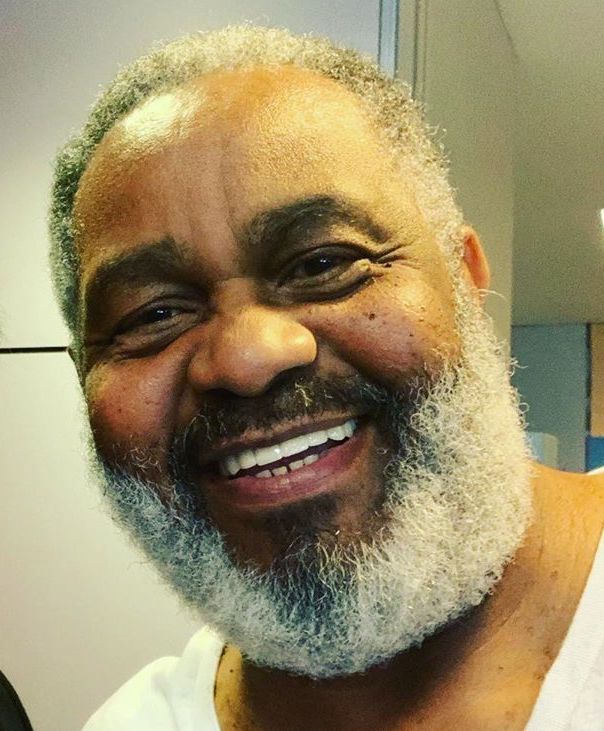
Anthony Ray Hinton (born June 1, 1956) is an American activist, writer, and author who was wrongly convicted of the 1985 murders of two fast food restaurant managers in Birmingham, Alabama. Hinton was sentenced to death and held on the state's death row for 28 years before his 2015 release.
In 2014 the Supreme Court of the United States unanimously overturned his conviction on appeal, after which the state dropped all charges against him. The court was unable to affirm the forensic evidence of a gun, which was the only evidence in the first trial. After being released, Hinton wrote and published a memoir The Sun Does Shine: How I Found Life and Freedom on Death Row (2018). Hinton was portrayed by O'Shea Jackson Jr. in the 2019 film Just Mercy.
On February 25, 1985, and July 2, 1985, two fast food managers, John Davidson and Thomas Wayne Vason, were killed in separate incidents during armed robberies at their fast food restaurants in Birmingham. A survivor of a third restaurant robbery (Sidney Smotherman) picked a photo of Anthony Ray Hinton, then age 29, from a lineup, and the police investigated him. At the time, Hinton worked at a supermarket warehouse and lived with his mother, Buhlar Hinton, at her home in rural Alabama, about half an hour north of Birmingham.
Shortly after his arrest, Detective Doug Acker told Hinton, "I don't care whether you did or didn't do it. In fact, I believe you didn't do it. But it doesn't matter. If you didn't do it, one of your brothers did. And you're going to take the rap." "I can give you five reasons why they are going to convict you. Number one, you're black. Number two, a white man gonna say you shot him. Number three, you're gonna have a white district attorney. Number four, you're gonna have a white judge. And number five, you're gonna have an all-white jury."
Hinton's public defense attorney did not provide adequate counsel. Upon meeting Hinton, he said, "Listen, all y'all always doing something and saying you're innocent." The credibility of his ballistics expert - the only one the attorney thought he could hire with the funds available - was discredited by the prosecutor due to the expert's physical limitations and lack of experience. The jury disregarded the testimony of Hinton's boss, who testified that he was at work during the time of the crimes.
The prosecution's only evidence at the trial was a statement that ballistics tests showed four crime scene bullets matched Hinton's mother's gun, which was discovered at her house during the investigation. No fingerprints or eyewitness testimony were introduced. Hinton was convicted of each of the two murders and sentenced to death.
In June 1988, the unanimous Alabama Court of Criminal Appeals affirmed Hinton's conviction and death sentence. In June 1989, that judgment was affirmed by the unanimous Supreme Court of Alabama.
Hinton was sent to death row in Holman Correctional Facility, where he was held in solitary confinement over nearly three decades. During his decades in prison, he was supported by his mother's faith in his innocence, as well as that of longtime friend Lester Bailey, who visited him weekly. Hinton's mother died while he was still imprisoned (in 2002).
Hub AI
Anthony Ray Hinton AI simulator
(@Anthony Ray Hinton_simulator)
Anthony Ray Hinton
Anthony Ray Hinton (born June 1, 1956) is an American activist, writer, and author who was wrongly convicted of the 1985 murders of two fast food restaurant managers in Birmingham, Alabama. Hinton was sentenced to death and held on the state's death row for 28 years before his 2015 release.
In 2014 the Supreme Court of the United States unanimously overturned his conviction on appeal, after which the state dropped all charges against him. The court was unable to affirm the forensic evidence of a gun, which was the only evidence in the first trial. After being released, Hinton wrote and published a memoir The Sun Does Shine: How I Found Life and Freedom on Death Row (2018). Hinton was portrayed by O'Shea Jackson Jr. in the 2019 film Just Mercy.
On February 25, 1985, and July 2, 1985, two fast food managers, John Davidson and Thomas Wayne Vason, were killed in separate incidents during armed robberies at their fast food restaurants in Birmingham. A survivor of a third restaurant robbery (Sidney Smotherman) picked a photo of Anthony Ray Hinton, then age 29, from a lineup, and the police investigated him. At the time, Hinton worked at a supermarket warehouse and lived with his mother, Buhlar Hinton, at her home in rural Alabama, about half an hour north of Birmingham.
Shortly after his arrest, Detective Doug Acker told Hinton, "I don't care whether you did or didn't do it. In fact, I believe you didn't do it. But it doesn't matter. If you didn't do it, one of your brothers did. And you're going to take the rap." "I can give you five reasons why they are going to convict you. Number one, you're black. Number two, a white man gonna say you shot him. Number three, you're gonna have a white district attorney. Number four, you're gonna have a white judge. And number five, you're gonna have an all-white jury."
Hinton's public defense attorney did not provide adequate counsel. Upon meeting Hinton, he said, "Listen, all y'all always doing something and saying you're innocent." The credibility of his ballistics expert - the only one the attorney thought he could hire with the funds available - was discredited by the prosecutor due to the expert's physical limitations and lack of experience. The jury disregarded the testimony of Hinton's boss, who testified that he was at work during the time of the crimes.
The prosecution's only evidence at the trial was a statement that ballistics tests showed four crime scene bullets matched Hinton's mother's gun, which was discovered at her house during the investigation. No fingerprints or eyewitness testimony were introduced. Hinton was convicted of each of the two murders and sentenced to death.
In June 1988, the unanimous Alabama Court of Criminal Appeals affirmed Hinton's conviction and death sentence. In June 1989, that judgment was affirmed by the unanimous Supreme Court of Alabama.
Hinton was sent to death row in Holman Correctional Facility, where he was held in solitary confinement over nearly three decades. During his decades in prison, he was supported by his mother's faith in his innocence, as well as that of longtime friend Lester Bailey, who visited him weekly. Hinton's mother died while he was still imprisoned (in 2002).
Recent media