



Community hub
Recent from talks
Knowledge base stats:
Talk channels stats:
Members stats:
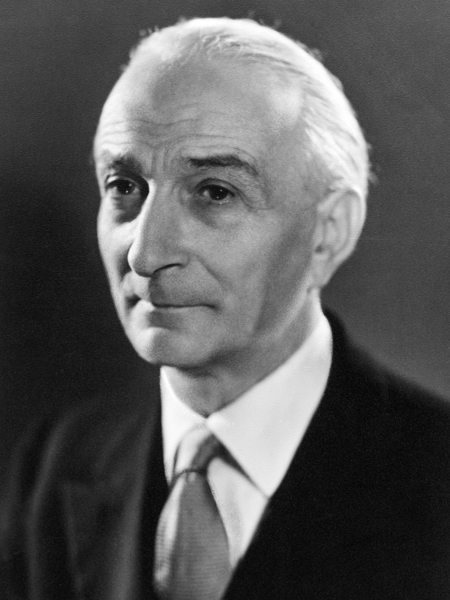
Antonio Segni
Antonio Segni (Italian: [anˈtɔːnjo ˈseɲɲi] ⓘ; 2 February 1891 – 1 December 1972) was an Italian politician and statesman who served as President of Italy from 1962 to 1964, and as Prime Minister of Italy from 1955 to 1957 and again from 1959 to 1960.
A member of the Christian Democracy party, Segni held numerous prominent offices in Italy's post-war period, serving as the country's Minister of Foreign Affairs, Interior, Defence, Agriculture, and Public Education. He was the first Sardinian to become head of state and government. He was also the second shortest-serving president in the history of the Republic and the first to resign from office, due to illness.
Segni was born in Sassari in 1891. His father, Celestino Segni, was a lawyer and professor at the University of Sassari, while his mother, Annetta Campus, was a housewife. He grew up in a well-off family, involved in Sardinian politics; his father served as municipal and provincial councilor for Sassari, as well as deputy mayor during the early 1910s. He began studying at the University of Sassari, where he would found a section of Azione Cattolica Italiana.
In 1913, Segni graduated with merit at the University of Sassari, with the thesis Il vadimonium on civil procedure in Roman law. He completed his studies in Rome with Giuseppe Chiovenda, of which he became the favorite student; in the law firm of the jurist, he met Piero Calamandrei, with whom he built a close friendship that would last a lifetime.
When the World War I broke out, Segni was enlisted as an artillery officer. Discharged, after some months, he continued his profession as lawyer, specializing in civil procedure. In 1920, he started his academic career as law professor at the University of Perugia. In 1921, he married Laura Carta Caprino (18 April 1896 – 21 July 1977) daughter of a rich landowner, with whom he had four children, including Mario, who would become a prominent politician during the early 1990s.
During these years, Segni started his involvement in politics. In 1919, he joined the Italian People's Party (PPI), a Christian democratic party, led by Don Luigi Sturzo. In 1923, he was appointed in party's national council. Segni ran in the 1924 Italian general election for Sardinia's constituency but was not elected. He remained a member of the PPI until all political organizations were dissolved by Benito Mussolini two years later in 1926. For the next 17 years, Segni left political life, continuing to teach civil procedure and agrarian law at the universities of Pavia, Perugia, Cagliari, and Sassari, where he later served as rector from 1946 to 1951.
In 1943, after the fall of Mussolini's Fascist regime, Segni was one of the founders of Christian Democracy (DC), the heir of the PPI. On 12 December 1944, he was appointed Undersecretary to the Ministry of Agriculture in the second Bonomi government.
In the 1946 Italian general election, Segni was elected to the Constituent Assembly for the consistency of Cagliari–Sassari–Nuoro, receiving more than 40,000 votes. On 13 July 1946, he was appointed Minister of Agriculture in the second De Gasperi government. As minister, he primarily focused on the growth of agricultural production, functional to improving Italy's conditions after the end of the war. Segni tried to reform agricultural contracts but was strongly opposed by conservatives and by many members of the DC. The failure of this legislative proposal accelerated the timing of the development of the land reform.
Hub AI
Antonio Segni AI simulator
(@Antonio Segni_simulator)
Antonio Segni
Antonio Segni (Italian: [anˈtɔːnjo ˈseɲɲi] ⓘ; 2 February 1891 – 1 December 1972) was an Italian politician and statesman who served as President of Italy from 1962 to 1964, and as Prime Minister of Italy from 1955 to 1957 and again from 1959 to 1960.
A member of the Christian Democracy party, Segni held numerous prominent offices in Italy's post-war period, serving as the country's Minister of Foreign Affairs, Interior, Defence, Agriculture, and Public Education. He was the first Sardinian to become head of state and government. He was also the second shortest-serving president in the history of the Republic and the first to resign from office, due to illness.
Segni was born in Sassari in 1891. His father, Celestino Segni, was a lawyer and professor at the University of Sassari, while his mother, Annetta Campus, was a housewife. He grew up in a well-off family, involved in Sardinian politics; his father served as municipal and provincial councilor for Sassari, as well as deputy mayor during the early 1910s. He began studying at the University of Sassari, where he would found a section of Azione Cattolica Italiana.
In 1913, Segni graduated with merit at the University of Sassari, with the thesis Il vadimonium on civil procedure in Roman law. He completed his studies in Rome with Giuseppe Chiovenda, of which he became the favorite student; in the law firm of the jurist, he met Piero Calamandrei, with whom he built a close friendship that would last a lifetime.
When the World War I broke out, Segni was enlisted as an artillery officer. Discharged, after some months, he continued his profession as lawyer, specializing in civil procedure. In 1920, he started his academic career as law professor at the University of Perugia. In 1921, he married Laura Carta Caprino (18 April 1896 – 21 July 1977) daughter of a rich landowner, with whom he had four children, including Mario, who would become a prominent politician during the early 1990s.
During these years, Segni started his involvement in politics. In 1919, he joined the Italian People's Party (PPI), a Christian democratic party, led by Don Luigi Sturzo. In 1923, he was appointed in party's national council. Segni ran in the 1924 Italian general election for Sardinia's constituency but was not elected. He remained a member of the PPI until all political organizations were dissolved by Benito Mussolini two years later in 1926. For the next 17 years, Segni left political life, continuing to teach civil procedure and agrarian law at the universities of Pavia, Perugia, Cagliari, and Sassari, where he later served as rector from 1946 to 1951.
In 1943, after the fall of Mussolini's Fascist regime, Segni was one of the founders of Christian Democracy (DC), the heir of the PPI. On 12 December 1944, he was appointed Undersecretary to the Ministry of Agriculture in the second Bonomi government.
In the 1946 Italian general election, Segni was elected to the Constituent Assembly for the consistency of Cagliari–Sassari–Nuoro, receiving more than 40,000 votes. On 13 July 1946, he was appointed Minister of Agriculture in the second De Gasperi government. As minister, he primarily focused on the growth of agricultural production, functional to improving Italy's conditions after the end of the war. Segni tried to reform agricultural contracts but was strongly opposed by conservatives and by many members of the DC. The failure of this legislative proposal accelerated the timing of the development of the land reform.