



Community hub
Recent from talks
Knowledge base stats:
Talk channels stats:
Members stats:
Arab separatism in Khuzestan
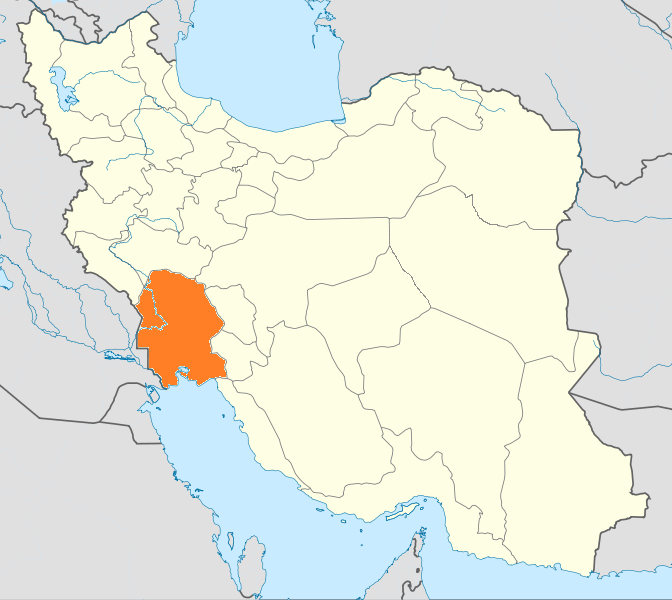
In the early 20th century, the growing popularity of Arab nationalism throughout West Asia prompted the emergence of an ongoing separatist movement in Iran's Khuzestan province. It has been marked by periods of general unrest, armed insurgency, rebellions, assassinations, and terrorist attacks. Arabs are a significant ethnic minority in Khuzestan, where they account for 33.6% of the population, as opposed to no more than 4.3% in every other Iranian province. Likewise, the Khuzestani Arabs, who numbered around 1.6 million people in 2010, are the largest community among the Arab citizens of Iran.
Historically, Khuzestan's land border with Arab-majority Iraq has played a major role in influencing the conflict between the Iranian state and the province's Arab population, particularly when Iraq was ruled by the Arab Socialist Ba'ath Party. A decades-long border dispute between Iran and Iraq was the driving factor behind Iraqi support for Arab separatism in Khuzestan and Iranian support for Kurdish separatism in Iraq, though they briefly reneged upon signing the 1975 Algiers Agreement. Four years later, the Iranian Revolution triggered a Khuzestani Arab uprising, which was suppressed by the Iranian military. During the Iran–Iraq War, which began with the Iraqi invasion of Iran in 1980 and continued until 1988, the Arab separatist movement in Khuzestan was highly active and overtly supported by Iraq. The Iranian Embassy siege in the United Kingdom in early 1980 was carried out by Iranian Arab separatists of the Democratic Revolutionary Front for the Liberation of Arabistan, which also fought alongside the Iraqi military during the Battle of Khorramshahr later that year.
The Iranian government officially denies any discrimination or the existence of a conflict within the country. However, it has drawn strong criticism from some organizations, such as the International Federation for Human Rights, including accusations of discrimination and ethnic cleansing. In addition to the 1979 uprising, flashpoints of the separatist movement include the 2005 Ahvaz unrest, the 2011 protests, and the 2018 Ahvaz military parade attack.
Khuzestan is inhabited by many different ethnic groups including Arabs, Bakhtiari, Kurds, Qashqais, Persians, and Armenians. The majority of Arabs in Khuzestan are Shia Muslims. Both the urban and rural areas of Khuzestan are populated with Arabs, Persians, and Lurs, who often intermarry.
Officially within Persian territory, the western region of Khuzestan functioned as an autonomous emirate known as Arabistan for two decades until 1924. From 1922 to 1924, tensions grew due to the rising power of Reza Khan, who later became the Shah of Iran (as Reza Shah), due to his increasingly negative attitude toward tribal autonomies in Iran, his attempts to extract higher taxes, and reduce the authority of Khazal Khan, the Sheikh of Mohammerah and the tribal leader of Arabistan. In response, Sheik Khazal initiated the short-lived Sheikh Khazal rebellion which peaked in November 1924 and was crushed by the newly installed Pahlavi dynasty. At least 115 casualties were sustained. Arabistan was dissolved by Reza Shah's government in 1925, along with other autonomous regions of Persia.
The 1979 Khuzestan insurgency erupted in the aftermath of the Iranian Revolution, fed by demands of autonomy for Khuzestan. The uprising was quelled by Iranian security forces, resulting in more than a hundred combined casualties from both sides. The Iranian crackdown in response to the uprising provoked the initiation of the Iranian Embassy siege of 1980 in London by an Arab separatist group called the Democratic Revolutionary Front for the Liberation of Arabistan (DRFLA). The terrorists initially demanded autonomy for Khuzestan and later demanded the release of 91 of their comrades held in Iranian jails.
In 1999, Habib Yabar, Habib Asewad Kaabi, and Ahmad Mola Nissi established the Arab Struggle Movement for the Liberation of Ahwaz (ASMLA) in Europe to advocate for an independent Arab state in Khuzestan and has committed acts of terrorism and assassinations in support of this goal. The group is financed and sponsored by Saudi Arabia.
On 15 April 2005, civil unrest broke out in Ahvaz and surrounding towns, lasting for four days. Initially, the Iranian Interior Ministry stated that only one person had been killed, but an official at an Ahvaz hospital alleged between 15 and 20 casualties.
Hub AI
Arab separatism in Khuzestan AI simulator
(@Arab separatism in Khuzestan_simulator)
Arab separatism in Khuzestan
In the early 20th century, the growing popularity of Arab nationalism throughout West Asia prompted the emergence of an ongoing separatist movement in Iran's Khuzestan province. It has been marked by periods of general unrest, armed insurgency, rebellions, assassinations, and terrorist attacks. Arabs are a significant ethnic minority in Khuzestan, where they account for 33.6% of the population, as opposed to no more than 4.3% in every other Iranian province. Likewise, the Khuzestani Arabs, who numbered around 1.6 million people in 2010, are the largest community among the Arab citizens of Iran.
Historically, Khuzestan's land border with Arab-majority Iraq has played a major role in influencing the conflict between the Iranian state and the province's Arab population, particularly when Iraq was ruled by the Arab Socialist Ba'ath Party. A decades-long border dispute between Iran and Iraq was the driving factor behind Iraqi support for Arab separatism in Khuzestan and Iranian support for Kurdish separatism in Iraq, though they briefly reneged upon signing the 1975 Algiers Agreement. Four years later, the Iranian Revolution triggered a Khuzestani Arab uprising, which was suppressed by the Iranian military. During the Iran–Iraq War, which began with the Iraqi invasion of Iran in 1980 and continued until 1988, the Arab separatist movement in Khuzestan was highly active and overtly supported by Iraq. The Iranian Embassy siege in the United Kingdom in early 1980 was carried out by Iranian Arab separatists of the Democratic Revolutionary Front for the Liberation of Arabistan, which also fought alongside the Iraqi military during the Battle of Khorramshahr later that year.
The Iranian government officially denies any discrimination or the existence of a conflict within the country. However, it has drawn strong criticism from some organizations, such as the International Federation for Human Rights, including accusations of discrimination and ethnic cleansing. In addition to the 1979 uprising, flashpoints of the separatist movement include the 2005 Ahvaz unrest, the 2011 protests, and the 2018 Ahvaz military parade attack.
Khuzestan is inhabited by many different ethnic groups including Arabs, Bakhtiari, Kurds, Qashqais, Persians, and Armenians. The majority of Arabs in Khuzestan are Shia Muslims. Both the urban and rural areas of Khuzestan are populated with Arabs, Persians, and Lurs, who often intermarry.
Officially within Persian territory, the western region of Khuzestan functioned as an autonomous emirate known as Arabistan for two decades until 1924. From 1922 to 1924, tensions grew due to the rising power of Reza Khan, who later became the Shah of Iran (as Reza Shah), due to his increasingly negative attitude toward tribal autonomies in Iran, his attempts to extract higher taxes, and reduce the authority of Khazal Khan, the Sheikh of Mohammerah and the tribal leader of Arabistan. In response, Sheik Khazal initiated the short-lived Sheikh Khazal rebellion which peaked in November 1924 and was crushed by the newly installed Pahlavi dynasty. At least 115 casualties were sustained. Arabistan was dissolved by Reza Shah's government in 1925, along with other autonomous regions of Persia.
The 1979 Khuzestan insurgency erupted in the aftermath of the Iranian Revolution, fed by demands of autonomy for Khuzestan. The uprising was quelled by Iranian security forces, resulting in more than a hundred combined casualties from both sides. The Iranian crackdown in response to the uprising provoked the initiation of the Iranian Embassy siege of 1980 in London by an Arab separatist group called the Democratic Revolutionary Front for the Liberation of Arabistan (DRFLA). The terrorists initially demanded autonomy for Khuzestan and later demanded the release of 91 of their comrades held in Iranian jails.
In 1999, Habib Yabar, Habib Asewad Kaabi, and Ahmad Mola Nissi established the Arab Struggle Movement for the Liberation of Ahwaz (ASMLA) in Europe to advocate for an independent Arab state in Khuzestan and has committed acts of terrorism and assassinations in support of this goal. The group is financed and sponsored by Saudi Arabia.
On 15 April 2005, civil unrest broke out in Ahvaz and surrounding towns, lasting for four days. Initially, the Iranian Interior Ministry stated that only one person had been killed, but an official at an Ahvaz hospital alleged between 15 and 20 casualties.