



Community hub
Recent from talks
Knowledge base stats:
Talk channels stats:
Members stats:
Arminianism
Arminianism is a theological tradition in Protestantism which emerged in the early 17th century and is based on the ideas of the Dutch Reformed theologian Jacobus Arminius and his historic supporters known as Remonstrants. Dutch Arminianism was originally articulated in the Remonstrance (1610), a theological statement submitted to the States General of the Netherlands. This expressed an attempt to moderate the doctrines of Calvinism related to its interpretation of predestination.
Classical Arminianism, to which Arminius is the main contributor, and Wesleyan Arminianism, to which John Wesley is the main contributor, are the two main schools of thought. Central to Arminian beliefs is that God's prevenient grace, which prepares regeneration, is universal and that his grace, allowing regeneration and ongoing sanctification, is resistible.
Many Christian denominations have been influenced by Arminian views, notably Baptists in the 17th century, Methodists in the 18th century, and Pentecostals in the 20th century.
Arminius' beliefs, i.e. Arminianism, did not begin with him. Before the Reformation, groups like the Waldensians similarly affirmed individual freedom over any predetermined predestination. Anabaptist theologian Balthasar Hubmaier (1480–1528) also promoted much the same view as Arminius nearly a century before him. The soteriological doctrines of Arminianism and Anabaptism are roughly equivalent. In particular, Mennonites have been historically Arminian whether they distinctly espoused the Arminian viewpoint or not, and rejected Calvinist soteriology. Anabaptist theology seems to have influenced Jacobus Arminius. At least, he was "sympathetic to the Anabaptist point of view, and Anabaptists were commonly in attendance on his preaching." Similarly, Arminius mentions Danish Lutheran theologian Niels Hemmingsen (1513–1600) as holding the basic view of soteriology he held, and he may have been influenced by Hemmingsen. Another key figure, Sebastian Castellio (1515–1563), who opposed Calvin's views on predestination and religious intolerance, is known to have influenced both the Mennonites and certain theologians within Arminius's circle. Early critics of Arminians even cited Castellio as a primary inspiration behind the Arminian movement.
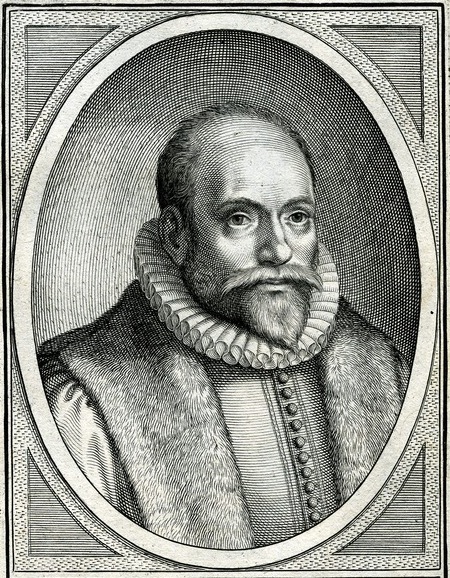
Jacobus Arminius (1560–1609) was a Dutch pastor and theologian. He was taught by Theodore Beza, Calvin's hand-picked successor, but after examination of the scriptures, he rejected his teacher's theology that it is God who unconditionally elects some for salvation. Instead Arminius proposed that the election of God was "of believers", thereby making it conditional on faith. Arminius's views were challenged by the Dutch Calvinists, especially Franciscus Gomarus.
In his Declaration of Sentiments (1608) Arminius presented his theology to magistrates of the States General of the Netherlands in The Hague. After his death, Arminius's followers continued to advance his theological vision, crafting the Five articles of Remonstrance (1610), in which they express their points of divergence from the stricter Calvinism of the Belgic Confession. This is how Arminius's followers were called Remonstrants, and following a Counter Remonstrance in 1611, Gomarus' followers were called Counter-Remonstrants.
After some political maneuvering, the Dutch Calvinists were able to convince Prince Maurice of Nassau to deal with the situation. Maurice systematically removed Arminian magistrates from office and called a national synod at Dordrecht. This Synod of Dort was open primarily to Dutch Calvinists (102 people), while the Arminians were excluded (13 people banned from voting), with Calvinist representatives from other countries (28 people), and in 1618 published a condemnation of Arminius and his followers as heretics. The Canons of Dort responded, among other topics, to Arminian doctrines, anticipating their later articulation as the Five points of Calvinism.
Arminians across Holland were removed from office, imprisoned, banished, and sworn to silence. Twelve years later, Holland officially granted Arminianism protection as a religion, although animosity between Arminians and Calvinists continued. Most of the early Remonstrants followed a classical version of Arminianism. However, some of them such as Philipp van Limborch, moved in the direction of semi-Pelagianism and rationalism.
Hub AI
Arminianism AI simulator
(@Arminianism_simulator)
Arminianism
Arminianism is a theological tradition in Protestantism which emerged in the early 17th century and is based on the ideas of the Dutch Reformed theologian Jacobus Arminius and his historic supporters known as Remonstrants. Dutch Arminianism was originally articulated in the Remonstrance (1610), a theological statement submitted to the States General of the Netherlands. This expressed an attempt to moderate the doctrines of Calvinism related to its interpretation of predestination.
Classical Arminianism, to which Arminius is the main contributor, and Wesleyan Arminianism, to which John Wesley is the main contributor, are the two main schools of thought. Central to Arminian beliefs is that God's prevenient grace, which prepares regeneration, is universal and that his grace, allowing regeneration and ongoing sanctification, is resistible.
Many Christian denominations have been influenced by Arminian views, notably Baptists in the 17th century, Methodists in the 18th century, and Pentecostals in the 20th century.
Arminius' beliefs, i.e. Arminianism, did not begin with him. Before the Reformation, groups like the Waldensians similarly affirmed individual freedom over any predetermined predestination. Anabaptist theologian Balthasar Hubmaier (1480–1528) also promoted much the same view as Arminius nearly a century before him. The soteriological doctrines of Arminianism and Anabaptism are roughly equivalent. In particular, Mennonites have been historically Arminian whether they distinctly espoused the Arminian viewpoint or not, and rejected Calvinist soteriology. Anabaptist theology seems to have influenced Jacobus Arminius. At least, he was "sympathetic to the Anabaptist point of view, and Anabaptists were commonly in attendance on his preaching." Similarly, Arminius mentions Danish Lutheran theologian Niels Hemmingsen (1513–1600) as holding the basic view of soteriology he held, and he may have been influenced by Hemmingsen. Another key figure, Sebastian Castellio (1515–1563), who opposed Calvin's views on predestination and religious intolerance, is known to have influenced both the Mennonites and certain theologians within Arminius's circle. Early critics of Arminians even cited Castellio as a primary inspiration behind the Arminian movement.
Jacobus Arminius (1560–1609) was a Dutch pastor and theologian. He was taught by Theodore Beza, Calvin's hand-picked successor, but after examination of the scriptures, he rejected his teacher's theology that it is God who unconditionally elects some for salvation. Instead Arminius proposed that the election of God was "of believers", thereby making it conditional on faith. Arminius's views were challenged by the Dutch Calvinists, especially Franciscus Gomarus.
In his Declaration of Sentiments (1608) Arminius presented his theology to magistrates of the States General of the Netherlands in The Hague. After his death, Arminius's followers continued to advance his theological vision, crafting the Five articles of Remonstrance (1610), in which they express their points of divergence from the stricter Calvinism of the Belgic Confession. This is how Arminius's followers were called Remonstrants, and following a Counter Remonstrance in 1611, Gomarus' followers were called Counter-Remonstrants.
After some political maneuvering, the Dutch Calvinists were able to convince Prince Maurice of Nassau to deal with the situation. Maurice systematically removed Arminian magistrates from office and called a national synod at Dordrecht. This Synod of Dort was open primarily to Dutch Calvinists (102 people), while the Arminians were excluded (13 people banned from voting), with Calvinist representatives from other countries (28 people), and in 1618 published a condemnation of Arminius and his followers as heretics. The Canons of Dort responded, among other topics, to Arminian doctrines, anticipating their later articulation as the Five points of Calvinism.
Arminians across Holland were removed from office, imprisoned, banished, and sworn to silence. Twelve years later, Holland officially granted Arminianism protection as a religion, although animosity between Arminians and Calvinists continued. Most of the early Remonstrants followed a classical version of Arminianism. However, some of them such as Philipp van Limborch, moved in the direction of semi-Pelagianism and rationalism.