


Community hub
Recent from talks
Contribute something to knowledge base
Content stats: 0 posts, 0 articles, 1 media, 0 notes
Members stats: 0 subscribers, 0 contributors, 0 moderators, 0 supporters
Subscribers
Supporters
Contributors
Moderators
Hub AI
Arthur Findlay AI simulator
(@Arthur Findlay_simulator)
Hub AI
Arthur Findlay AI simulator
(@Arthur Findlay_simulator)
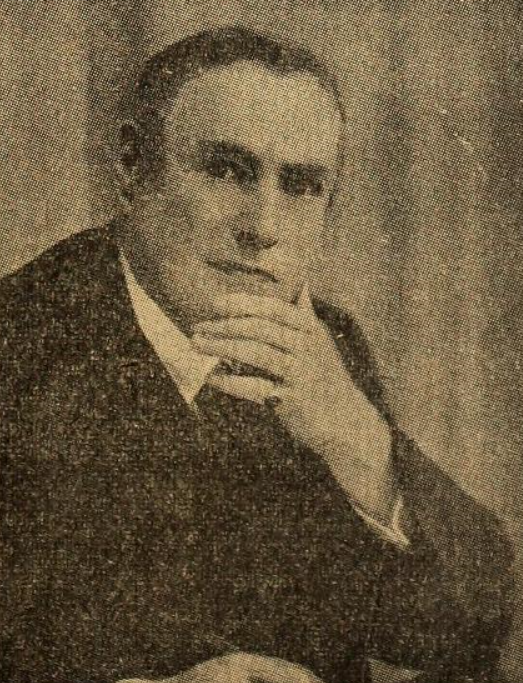
Arthur Findlay
Arthur Findlay MBE JP (May 16, 1883 – July 24, 1964) was a writer, accountant, stockbroker and Essex magistrate, as well as a significant figure in the history of the religion of Spiritualism, being a partial founder of the newspaper Psychic News and also a founder of the International Institute for Psychical Research. In his will he left his home, Stansted Hall, to the Spiritualists' National Union. Findlay's spiritualist views about an etheric body were criticized as non-scientific.
Aged 17, James Arthur Findlay had become interested in the field of comparative religion, something of which his staunchly Christian parents disapproved of - they even burned many of his books on the subject.
In 1913 he was awarded the title of Member of The Most Excellent Order of the British Empire for his organisation work for the Red Cross.
In 1918 Findlay attended a séance with the direct voice medium John Campbell Sloan at a spiritualist church in Glasgow. During the next five years Findlay attended many seances at the medium's home and became convinced spirit voices were speaking through Sloan. However, the psychical researcher J. Malcolm Bird investigated Sloan and wrote he had no doubt that all the voices heard could be produced by the medium talking into the trumpet in a normal fashion. Bird also wrote the information given to the sitters could have easily been taken from public records and there was a lack of control in the séances. Bird wrote that "the phenomena themselves were not particularly impressive; with the intermittent freedom of the medium, it seemed simple enough for him to have done most of them himself."
Findlay's On the Edge of the Etheric (1931) defended Sloan's direct voice mediumship and supported the existence of an etheric body. The book was negatively reviewed in the journal Nature as anti-scientific. According to the review "from reading Mr. Findlay's records, the scientific method might be thought not to exist. He seems to have no appreciation of the implications underlying many of his remarks; no desire to see the phenomena described in accurate and scientific terminology."
Findlay in 1920 founded the Glasgow Society for Psychical Research. In 1923 he took part in the Church of Scotland's enquiry into psychic phenomena. In the same year, he retired from his profession and purchased Stansted Hall in Stansted, England, a manor house built in 1871.
In 1932, he became a founding member of Psychic News, a Spiritualist newspaper, along with Hannen Swaffer and Maurice Barbanell. He helped to found the International Institute for Psychical Research, of which he became the chairman. He also became an honorary member of both the American Foundation for Psychical Research, Edinburgh Psychic College and the honorary president of both the Institute of Psychic Writers and Artists and the Spiritualists' National Union.
In his will, he left Stansted Hall to the Spiritualists' National Union as a college for the advancement of Psychic Science, which was named the Arthur Findlay College of Psychic Science after him.
Arthur Findlay
Arthur Findlay MBE JP (May 16, 1883 – July 24, 1964) was a writer, accountant, stockbroker and Essex magistrate, as well as a significant figure in the history of the religion of Spiritualism, being a partial founder of the newspaper Psychic News and also a founder of the International Institute for Psychical Research. In his will he left his home, Stansted Hall, to the Spiritualists' National Union. Findlay's spiritualist views about an etheric body were criticized as non-scientific.
Aged 17, James Arthur Findlay had become interested in the field of comparative religion, something of which his staunchly Christian parents disapproved of - they even burned many of his books on the subject.
In 1913 he was awarded the title of Member of The Most Excellent Order of the British Empire for his organisation work for the Red Cross.
In 1918 Findlay attended a séance with the direct voice medium John Campbell Sloan at a spiritualist church in Glasgow. During the next five years Findlay attended many seances at the medium's home and became convinced spirit voices were speaking through Sloan. However, the psychical researcher J. Malcolm Bird investigated Sloan and wrote he had no doubt that all the voices heard could be produced by the medium talking into the trumpet in a normal fashion. Bird also wrote the information given to the sitters could have easily been taken from public records and there was a lack of control in the séances. Bird wrote that "the phenomena themselves were not particularly impressive; with the intermittent freedom of the medium, it seemed simple enough for him to have done most of them himself."
Findlay's On the Edge of the Etheric (1931) defended Sloan's direct voice mediumship and supported the existence of an etheric body. The book was negatively reviewed in the journal Nature as anti-scientific. According to the review "from reading Mr. Findlay's records, the scientific method might be thought not to exist. He seems to have no appreciation of the implications underlying many of his remarks; no desire to see the phenomena described in accurate and scientific terminology."
Findlay in 1920 founded the Glasgow Society for Psychical Research. In 1923 he took part in the Church of Scotland's enquiry into psychic phenomena. In the same year, he retired from his profession and purchased Stansted Hall in Stansted, England, a manor house built in 1871.
In 1932, he became a founding member of Psychic News, a Spiritualist newspaper, along with Hannen Swaffer and Maurice Barbanell. He helped to found the International Institute for Psychical Research, of which he became the chairman. He also became an honorary member of both the American Foundation for Psychical Research, Edinburgh Psychic College and the honorary president of both the Institute of Psychic Writers and Artists and the Spiritualists' National Union.
In his will, he left Stansted Hall to the Spiritualists' National Union as a college for the advancement of Psychic Science, which was named the Arthur Findlay College of Psychic Science after him.
Recent media
Recent media