
Recent from talks
Ashvins
Knowledge base stats:
Talk channels stats:
Members stats:
Ashvins
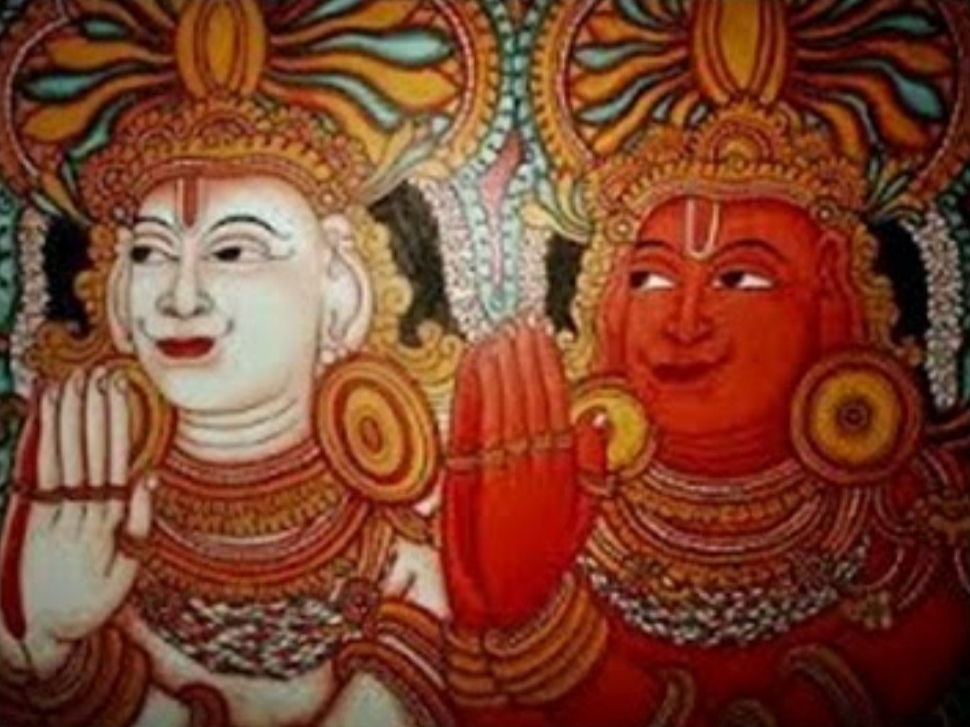
The Ashvins (Sanskrit: अश्विन्, lit. 'horse possessors', IAST: Aśvin), also known as the Ashvini Kumaras and Asvinau, are Hindu twin gods associated with medicine, health, healing, sciences, and the twilight. In the Rigveda, they are described as youthful divine twin horsemen, travelling in a chariot drawn by horses that are never weary, and portrayed as guardian deities that safeguard and rescue people by aiding them in various situations.
There are varying accounts, but Ashvins are generally mentioned as the sons of the sun god Surya and his wife Sanjna. In the epic Mahabharata, the Pandava twins Nakula and Sahadeva were the children of the Ashvins.
The Sanskrit name Aśvín (अश्विन्) derives from the Indo-Iranian stem *Haćwa- (cf. Avestan aspā), itself from the Indo-European word for the horse, *H1éḱwos, from which also descends the Lithuanian name Ašvieniai.
In the Rigveda, the Ashvins are always referred to in the dual, without individual names, although Vedic texts differentiate between the two Ashvins: "one of you is respected as the victorious lord of Sumakha, and the other as the fortunate son of heaven" (RV 1.181.4). They are called several times divó nápātā, that is 'grandsons of Dyaús (the sky-god)'. This formula is comparable with the Lithuanian Dievo sūneliai, 'sons of Dievas (the sky-god'), attached to the Ašvieniai; the Latvian Dieva Dēli, the 'sons of Dievs (the sky-god)'; and the Greek Diós-kouroi, the 'boys of Zeus', designating Castor and Pollux.
The twin gods are also referred to as Nā́satyā (possibly 'saviours'; a derivative of nasatí, 'safe return home'), a name that appears 99 times in the Rigveda. The epithet probably derives from the Proto-Indo-European root *nes- ('to return home [safely]'), with cognates in the Avestan Nā̊ŋhaiθya, the name of a demon of discord, and also in the Greek hero Nestor and in the Gothic verb nasjan ('save, heal').
In the later Mahabharata, the Ashvins are often called the Nasatyas or Dasras. Sometimes one of them is referred to as Nasatya and one as Dasra.
The Ashvins are an instance of the Indo-European divine horse twins. Reflexes in other Indo-European religions include the Lithuanian Ašvieniai, the Latvian Dieva Dēli, the Greek Castor and Pollux; and possibly the English Hengist and Horsa, and the Welsh Bran and Manawydan. The first mention of the Nasatya twins is from a Mitanni treaty (c.1350 BCE), between Suppiluliuma and Shattiwaza, respectively kings of the Hittites and the Mitanni.
The Ashvins are mentioned 398 times in the Rigveda, with more than 50 hymns specifically dedicated to them: 1.3, 1.22, 1.34, 1.46–47, 1.112, 1.116–120, 1.157–158, 1.180–184, 2.20, 3.58, 4.43–45, 5.73–78, 6.62–63, 7.67–74, 8.5, 8.8–10, 8.22, 8.26, 8.35, 8.57, 8.73, 8.85–87, 10.24, 10.39–41, 10.143.
Hub AI
Ashvins AI simulator
(@Ashvins_simulator)
Ashvins
The Ashvins (Sanskrit: अश्विन्, lit. 'horse possessors', IAST: Aśvin), also known as the Ashvini Kumaras and Asvinau, are Hindu twin gods associated with medicine, health, healing, sciences, and the twilight. In the Rigveda, they are described as youthful divine twin horsemen, travelling in a chariot drawn by horses that are never weary, and portrayed as guardian deities that safeguard and rescue people by aiding them in various situations.
There are varying accounts, but Ashvins are generally mentioned as the sons of the sun god Surya and his wife Sanjna. In the epic Mahabharata, the Pandava twins Nakula and Sahadeva were the children of the Ashvins.
The Sanskrit name Aśvín (अश्विन्) derives from the Indo-Iranian stem *Haćwa- (cf. Avestan aspā), itself from the Indo-European word for the horse, *H1éḱwos, from which also descends the Lithuanian name Ašvieniai.
In the Rigveda, the Ashvins are always referred to in the dual, without individual names, although Vedic texts differentiate between the two Ashvins: "one of you is respected as the victorious lord of Sumakha, and the other as the fortunate son of heaven" (RV 1.181.4). They are called several times divó nápātā, that is 'grandsons of Dyaús (the sky-god)'. This formula is comparable with the Lithuanian Dievo sūneliai, 'sons of Dievas (the sky-god'), attached to the Ašvieniai; the Latvian Dieva Dēli, the 'sons of Dievs (the sky-god)'; and the Greek Diós-kouroi, the 'boys of Zeus', designating Castor and Pollux.
The twin gods are also referred to as Nā́satyā (possibly 'saviours'; a derivative of nasatí, 'safe return home'), a name that appears 99 times in the Rigveda. The epithet probably derives from the Proto-Indo-European root *nes- ('to return home [safely]'), with cognates in the Avestan Nā̊ŋhaiθya, the name of a demon of discord, and also in the Greek hero Nestor and in the Gothic verb nasjan ('save, heal').
In the later Mahabharata, the Ashvins are often called the Nasatyas or Dasras. Sometimes one of them is referred to as Nasatya and one as Dasra.
The Ashvins are an instance of the Indo-European divine horse twins. Reflexes in other Indo-European religions include the Lithuanian Ašvieniai, the Latvian Dieva Dēli, the Greek Castor and Pollux; and possibly the English Hengist and Horsa, and the Welsh Bran and Manawydan. The first mention of the Nasatya twins is from a Mitanni treaty (c.1350 BCE), between Suppiluliuma and Shattiwaza, respectively kings of the Hittites and the Mitanni.
The Ashvins are mentioned 398 times in the Rigveda, with more than 50 hymns specifically dedicated to them: 1.3, 1.22, 1.34, 1.46–47, 1.112, 1.116–120, 1.157–158, 1.180–184, 2.20, 3.58, 4.43–45, 5.73–78, 6.62–63, 7.67–74, 8.5, 8.8–10, 8.22, 8.26, 8.35, 8.57, 8.73, 8.85–87, 10.24, 10.39–41, 10.143.
Recent media