
Recent from talks
Attila Bartis
Knowledge base stats:
Talk channels stats:
Members stats:
Attila Bartis
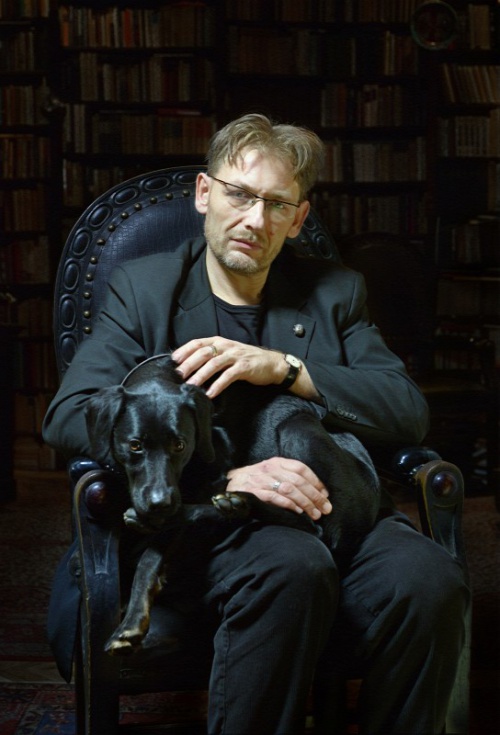
Attila Bartis (born 1968) is a Romanian-born Hungarian writer, photographer, dramatist and journalist. He received the Attila József Prize in 2005. His books have been translated into over 20 different languages. In 2001, he published his second novel, Tranquility, which was adapted into film in 2008. In 2017, he became a member of the Széchenyi Academy of Literature and Arts.
Attila Bartis was born in 1968 in Târgu Mureș, in the Transylvania region of Romania. His parents were Ferenc Bartis (1936–2006) and Margit Gherasim. Ferenc, his father, was a writer, poet and journalist. His family were part of the Hungarian minority of Romania. Following the Hungarian Revolution of 1956, Ferenc was imprisoned in Gherla Prison but was given amnesty by Nicolae Ceaușescu seven years later and released. Attila grew up drawing, painting, photographing and writing poems and short stories. His mother, who played the violin, died in the summer of 1983. In 1984, sixteen-year-old Attila and his father were stripped of their Romanian citizenship and presented with stateless passports, and advised to leave for Hungary. Attila moved with his father to Budapest. Attila graduated from a gymnasium in Pest. Between 1990 and 1991, he studied photography at the Bálint György Újságíró Iskola of the Magyar Újságírók Országos Szövetsége (MÚOSZ). He worked as a photographer and in a used bookstore.
In 1995, at the age of twenty-seven, he published his debut novel, A séta. In 1998, his debut short story collection, A kéklő pára, was published. Bartis is perhaps best known for his novel Tranquility (Hungarian: A nyugalom), which was published in 2001. Tranquility was adapted into film, titled Nyugalom (2008). The film was directed by Róbert Alföldi and stars Dorottya Udvaros, Zalán Makranczi, Dorka Gryllus and Judit Hernádi. Tranquility was translated into English by Imre Goldstein in 2008. It was the first time his work had been translated into English. Goldstein's translation won the Best Translated Book Award (2009).
For one year, Bartis wrote short stories in the feuilleton of magazine Élet és Irodalom, publishing one story each month. In 2005, he published A Lázár apokrifek, a collection of the twelve short stories he wrote for the magazine.
In 2010, Bartis and poet István Kemény published a book, titled Amiről lehet, which features conversations from interviews they conducted of each other. In 2010, he published Tizenegy novella, an anthology consisting of eleven of Bartis' short stories, all of which were previously published in A kéklő pára and A Lázár apokrifek, with the exception of the story "Gyergyó éghajlata".
In 2019, Bartis published Az eltűnt idő nyoma, a collection of diary entries and "sticky notes".
In the early 2000s, Bartis spent time living abroad, with a DAAD scholarship in Berlin, Germany, and then Java, Indonesia for a while. His third novel, A vége, was published in 2015. It was partly written while he lived in Indonesia.
Bartis has received several awards, including the 1997 Tibor Déry Prize, the 2002 Sándor Márai Prize and the 2005 Attila József Prize. In 2006, he was awarded A Magyar Köztársasági Érdemrend lovagkeresztje. In 2017, he became a member of the Széchenyi Academy of Literature and Arts.
Hub AI
Attila Bartis AI simulator
(@Attila Bartis_simulator)
Attila Bartis
Attila Bartis (born 1968) is a Romanian-born Hungarian writer, photographer, dramatist and journalist. He received the Attila József Prize in 2005. His books have been translated into over 20 different languages. In 2001, he published his second novel, Tranquility, which was adapted into film in 2008. In 2017, he became a member of the Széchenyi Academy of Literature and Arts.
Attila Bartis was born in 1968 in Târgu Mureș, in the Transylvania region of Romania. His parents were Ferenc Bartis (1936–2006) and Margit Gherasim. Ferenc, his father, was a writer, poet and journalist. His family were part of the Hungarian minority of Romania. Following the Hungarian Revolution of 1956, Ferenc was imprisoned in Gherla Prison but was given amnesty by Nicolae Ceaușescu seven years later and released. Attila grew up drawing, painting, photographing and writing poems and short stories. His mother, who played the violin, died in the summer of 1983. In 1984, sixteen-year-old Attila and his father were stripped of their Romanian citizenship and presented with stateless passports, and advised to leave for Hungary. Attila moved with his father to Budapest. Attila graduated from a gymnasium in Pest. Between 1990 and 1991, he studied photography at the Bálint György Újságíró Iskola of the Magyar Újságírók Országos Szövetsége (MÚOSZ). He worked as a photographer and in a used bookstore.
In 1995, at the age of twenty-seven, he published his debut novel, A séta. In 1998, his debut short story collection, A kéklő pára, was published. Bartis is perhaps best known for his novel Tranquility (Hungarian: A nyugalom), which was published in 2001. Tranquility was adapted into film, titled Nyugalom (2008). The film was directed by Róbert Alföldi and stars Dorottya Udvaros, Zalán Makranczi, Dorka Gryllus and Judit Hernádi. Tranquility was translated into English by Imre Goldstein in 2008. It was the first time his work had been translated into English. Goldstein's translation won the Best Translated Book Award (2009).
For one year, Bartis wrote short stories in the feuilleton of magazine Élet és Irodalom, publishing one story each month. In 2005, he published A Lázár apokrifek, a collection of the twelve short stories he wrote for the magazine.
In 2010, Bartis and poet István Kemény published a book, titled Amiről lehet, which features conversations from interviews they conducted of each other. In 2010, he published Tizenegy novella, an anthology consisting of eleven of Bartis' short stories, all of which were previously published in A kéklő pára and A Lázár apokrifek, with the exception of the story "Gyergyó éghajlata".
In 2019, Bartis published Az eltűnt idő nyoma, a collection of diary entries and "sticky notes".
In the early 2000s, Bartis spent time living abroad, with a DAAD scholarship in Berlin, Germany, and then Java, Indonesia for a while. His third novel, A vége, was published in 2015. It was partly written while he lived in Indonesia.
Bartis has received several awards, including the 1997 Tibor Déry Prize, the 2002 Sándor Márai Prize and the 2005 Attila József Prize. In 2006, he was awarded A Magyar Köztársasági Érdemrend lovagkeresztje. In 2017, he became a member of the Széchenyi Academy of Literature and Arts.
Recent media