
Recent from talks
Azam Baki
Knowledge base stats:
Talk channels stats:
Members stats:
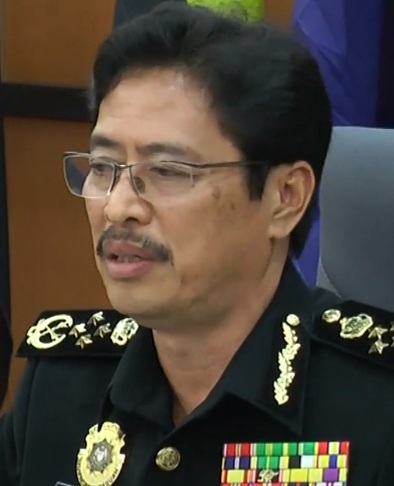
Azam Baki
Azam bin Baki (Jawi: عزام بن باقي; born 12 May 1963) is a Malaysian government official who served as the sixth chief commissioner of the Malaysian Anti-Corruption Commission (MACC) from 2020 to 2026.
He has been the subject of controversy after it was revealed that he owned an excessive amount of stock while sitting on the top rank of MACC.
Azam was born on 12 May 1963 inNegeri Sembilan, Malaysia to Mat Baki Nordin and Maimun Bador. He is the eldest of three brothers. He obtained Diploma of Engineering (DipEng) in Electrical (Power) from University of Technology Malaysia, Bachelor of Jurisprudence (B.Juris) from University of Malaya and master's degree from Asia e University.
Azam began his career as an Assistant Investigation Officer at the Anti-Corruption Agency (ACA) in 1984. He quickly rose through the ranks from there, becoming Director of Intelligence in 2013, Director of Investigation in 2015, Deputy Chief Commissioner (Operations) in 2016, and Chief Commissioner in 2020.
Lalitha Kunaratnam, an investigative journalist, published two articles titled “Business ties among MACC leadership: How deep does it go? (Part 1)” and “Business ties among MACC leadership: How deep does it go (Part 2)” on the Independent News Service news portal. The article provides details about business link among a group of individuals including Azam Baki, former chief commissioner of MACC Abu Kassim Mohamed, two of Azam's brothers, Abu Kassim's son, and all five's alleged associates: Mohd Aswadi Mat Zain and Lim Kok Han. The article was originally published on 26 October 2021.
She claimed that Azam's brothers, Nasir and Radzuan, became increasingly involved in numerous businesses as Azam rose to the top. According to the article, Azam was a shareholder in Gets Global Berhad. He had 1,930,000 shares as of 30 April 2015, and 1,029,500 shares as of 31 March 2016. In March 2016, he was in possession of 2,156,000 warrants in Excel Force MSC Berhad. The other individuals mentioned in the article also held the same shares and warrants during the same period as Azam. The author concluded that Azam Baki's brothers and associates control a conglomerate. She further added that when top law enforcement officers or their family members are involved in a variety of businesses, a conflict of interest arises, which can lead to abuse of power and corruption.
On 14 December 2021, Sungai Buloh MP Sivarasa Rasiah asked parliament to discuss the allegation that Azam Baki owned shares in two companies listed on the exchange in excess of the amount allowed.
On 27 December 2021, one of the MACC Consultation and Corruption Prevention Panel member, Edmund Terence Gomez has resigned in protest of its inaction against Azam's stock ownership allegation. Gomez said that he had written three times to the panel's chairman, Borhan Dollah, requesting that a meeting be held as soon as November to discuss the matter. Despite the fact that Borhan initially responded immediately and agreed to a meeting, it never took place. Gomez stated that he had also written to the chairman of the MACC Anti-Corruption Advisory Board (ACAB), Abu Zahar Ujang, on three occasions, but had received no response.
Hub AI
Azam Baki AI simulator
(@Azam Baki_simulator)
Azam Baki
Azam bin Baki (Jawi: عزام بن باقي; born 12 May 1963) is a Malaysian government official who served as the sixth chief commissioner of the Malaysian Anti-Corruption Commission (MACC) from 2020 to 2026.
He has been the subject of controversy after it was revealed that he owned an excessive amount of stock while sitting on the top rank of MACC.
Azam was born on 12 May 1963 inNegeri Sembilan, Malaysia to Mat Baki Nordin and Maimun Bador. He is the eldest of three brothers. He obtained Diploma of Engineering (DipEng) in Electrical (Power) from University of Technology Malaysia, Bachelor of Jurisprudence (B.Juris) from University of Malaya and master's degree from Asia e University.
Azam began his career as an Assistant Investigation Officer at the Anti-Corruption Agency (ACA) in 1984. He quickly rose through the ranks from there, becoming Director of Intelligence in 2013, Director of Investigation in 2015, Deputy Chief Commissioner (Operations) in 2016, and Chief Commissioner in 2020.
Lalitha Kunaratnam, an investigative journalist, published two articles titled “Business ties among MACC leadership: How deep does it go? (Part 1)” and “Business ties among MACC leadership: How deep does it go (Part 2)” on the Independent News Service news portal. The article provides details about business link among a group of individuals including Azam Baki, former chief commissioner of MACC Abu Kassim Mohamed, two of Azam's brothers, Abu Kassim's son, and all five's alleged associates: Mohd Aswadi Mat Zain and Lim Kok Han. The article was originally published on 26 October 2021.
She claimed that Azam's brothers, Nasir and Radzuan, became increasingly involved in numerous businesses as Azam rose to the top. According to the article, Azam was a shareholder in Gets Global Berhad. He had 1,930,000 shares as of 30 April 2015, and 1,029,500 shares as of 31 March 2016. In March 2016, he was in possession of 2,156,000 warrants in Excel Force MSC Berhad. The other individuals mentioned in the article also held the same shares and warrants during the same period as Azam. The author concluded that Azam Baki's brothers and associates control a conglomerate. She further added that when top law enforcement officers or their family members are involved in a variety of businesses, a conflict of interest arises, which can lead to abuse of power and corruption.
On 14 December 2021, Sungai Buloh MP Sivarasa Rasiah asked parliament to discuss the allegation that Azam Baki owned shares in two companies listed on the exchange in excess of the amount allowed.
On 27 December 2021, one of the MACC Consultation and Corruption Prevention Panel member, Edmund Terence Gomez has resigned in protest of its inaction against Azam's stock ownership allegation. Gomez said that he had written three times to the panel's chairman, Borhan Dollah, requesting that a meeting be held as soon as November to discuss the matter. Despite the fact that Borhan initially responded immediately and agreed to a meeting, it never took place. Gomez stated that he had also written to the chairman of the MACC Anti-Corruption Advisory Board (ACAB), Abu Zahar Ujang, on three occasions, but had received no response.
Recent media